The brief window of calm in the Persian Gulf just slammed shut. If you thought the weekend's reopening of the Strait of Hormuz meant global energy markets were finally exhaling, think again. By Saturday night, the Islamic Revolutionary Guard Corps (IRGC) wasn't just issuing warnings—they were pulling triggers.
The reversal is a direct response to the U.S. maintaining its naval blockade of Iranian ports, a "maximum pressure" tactic that's currently strangling Tehran’s economy. It’s a classic geopolitical trap: the U.S. won't lift the siege until a nuclear deal is signed, and Iran won't stop harassing the world's most vital oil artery until its ports are clear.
We’re no longer talking about "tensions." We’re talking about active kinetic engagement in a waterway that carries 20% of the world’s oil.
The Saturday U-Turn
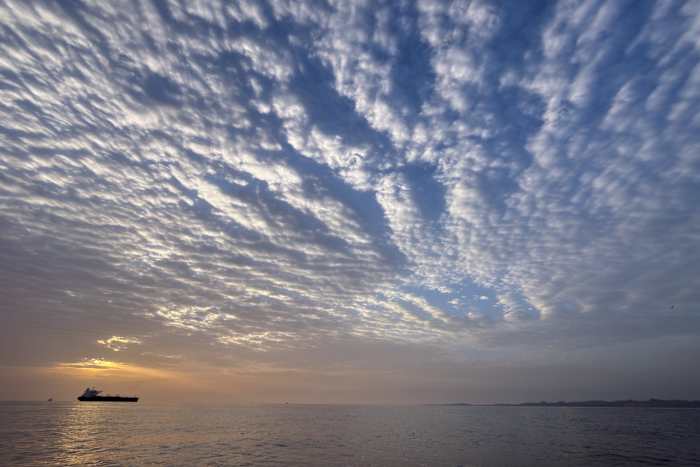
Early Saturday morning, things looked hopeful. Maritime tracking data showed at least eight tankers—including oil and gas carriers—successfully transiting the strait. It felt like the Pakistani-brokered ceasefire might actually hold.
Then came the U.S. declaration. The Trump administration made it clear that the blockade on Iranian-linked shipping would remain in "full force." Tehran’s reaction was almost instantaneous. The Khatam al-Anbiya joint military command announced the waterway was back under "strict management." Basically, if Iran can’t export its oil, it’s going to make sure nobody else in the Gulf can either.
Shots Fired in the Channel
This isn't just a paper blockade. The UK Maritime Trade Operations (UKMTO) reported that IRGC gunboats approached the Indian-flagged tanker Sanmar Herald roughly 20 nautical miles northeast of Oman. Without any radio contact, the Iranian boats opened fire.
The captain reported damage to the bridge windows. Thankfully, the crew is safe, but the message was sent loud and clear. Any vessel attempting to run the strait right now is gambling with its hull. Security monitors are seeing a "supply-chain bullwhip effect" where even the threat of these attacks is causing insurers to pull war risk cover, effectively freezing traffic even without a physical wall of ships.
Why the Blockade is Choking Tehran
The U.S. naval blockade, spearheaded by CENTCOM, is a massive operation. We’re talking about the USS Abraham Lincoln and the USS Gerald R. Ford carrier strike groups parked right off the coast. They aren't just watching; they're actively turning back any vessel trying to dock at Iranian terminals.
CENTCOM claims they've already intercepted and diverted 21 ships since the operation began on April 13. For a country already reeling from internal collapse and massive anti-government protests, this total maritime isolation is a death blow to what's left of the Iranian rial.
The Nuclear Sticking Point
The real reason this standoff won't end? Fordow and Natanz. During the last-ditch talks in Islamabad, the U.S. delegation—led by Vice President J.D. Vance—demanded the total removal of Iran’s enriched uranium stockpiles.
Iran sees its nuclear program as its only remaining leverage. The U.S. sees it as a non-negotiable threat. When you have two sides with "red lines" that overlap, you don't get a deal—you get a naval skirmish.
The Global Price of a Closed Strait
You're probably already seeing the impact at the pump, but the "Hormuz Shock" goes deeper than just expensive gas.
- Energy Rationing: Parts of Europe and Asia are already discussing "energy holidays" to conserve dwindling supplies.
- The $100 Barrel: Crude prices have stayed stubbornly above the $100 mark, with no relief in sight as long as the IRGC is patrolling with live ammo.
- Food Security: This is the one nobody talks about. The Persian Gulf is a hub for fertilizer exports. If those shipments don't move, global crop yields for the next season are going to tank.
Honestly, the world's energy architecture is too "just-in-time" to handle a total stoppage at Hormuz. We don't have the structural redundancy to just "reroute" 20 million barrels of oil per day.
Don't Bet on a Quick Fix
There’s another round of negotiations scheduled in Pakistan for April 22, but don't hold your breath. Iran’s deputy foreign minister, Saeed Khatibzadeh, has already stated that Tehran isn't interested in face-to-face talks while the "siege" continues.
If you're managing logistics or exposed to energy commodities, you need to prepare for a protracted "high-tech siege." The IRGC is using drone swarms and naval mines to keep the U.S. fleet at a distance, making this a much messier fight than the "Tanker Wars" of the 1980s.
What you should do now:
- Audit your supply chain for any dependency on Gulf-based refined products or fertilizers.
- Lock in energy contracts now if you haven't already; the volatility is only going to spike if another tanker takes a direct hit.
- Monitor the April 22 deadline. If those talks fail, we’re looking at a summer of energy scarcity that makes 2022 look like a warm-up.
The status quo is officially broken. The "gateway to the world" is currently a shooting gallery.