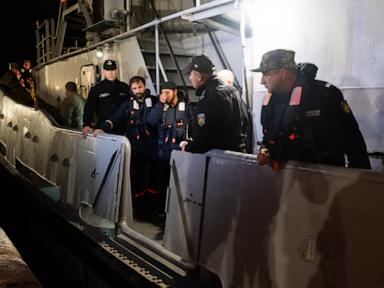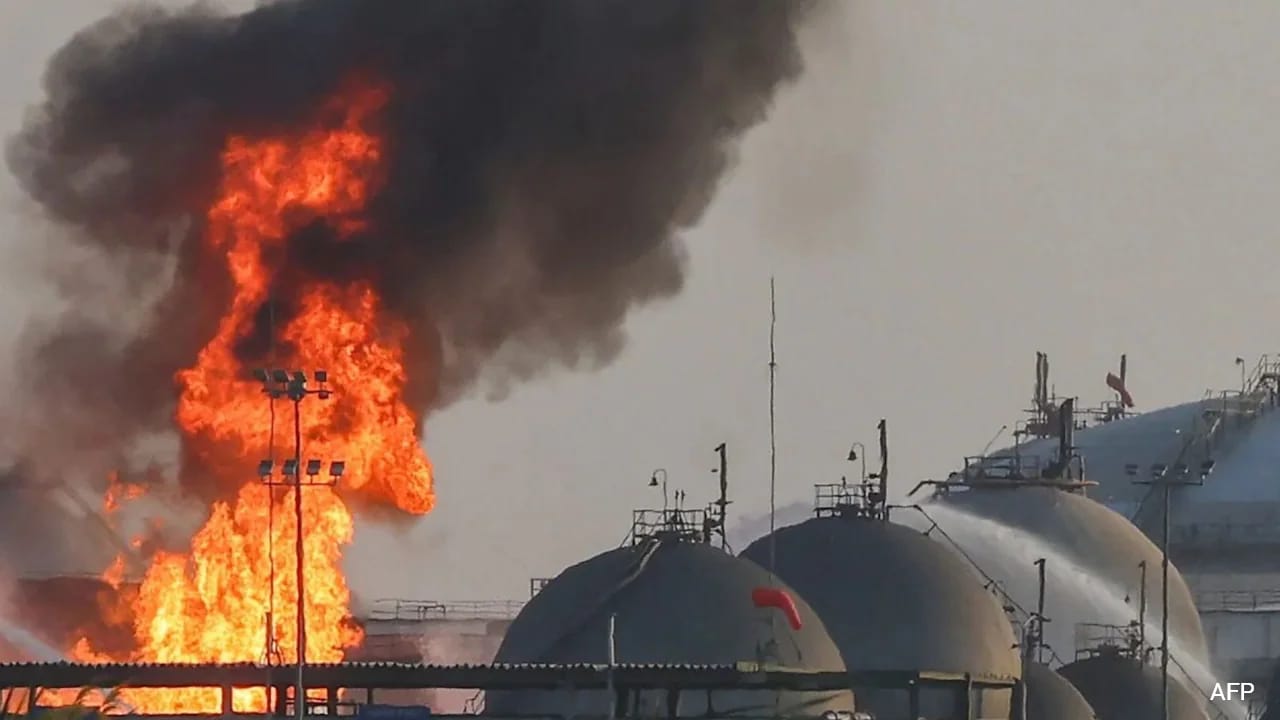
Eighteen dead at Riyadh's main airport. More than two dozen major strikes hitting airports, refineries, pipelines, and bases. Over 15,000 square kilometers of territory shifting hands in Yemen.
Those numbers tell a story, sure, but they don't tell you why the Houthi Saudi war suddenly feels different from the years of grinding stalemate. For years, observers treated cross-border drone and missile exchanges as predictable bargaining chips, punctuated by long pauses or fragile truces. That illusion broke hard between September and mid-October 2026. When a deadly ballistic strike slammed between Terminals 3 and 4 at King Khalid International Airport on October 10, killing 12 people and injuring more than 300 others, it wasn't just a security failure. It was a shock to Saudi Arabia's economic and aviation confidence.
I've watched regional conflict trackers long enough to know that raw body counts and strike tallies often flatten what's actually happening on the ground. A single headline saying "18 deaths" hides how aviation suspends flights, how airlines disperse billions of dollars in aircraft, and how a territorial push in Yemen ripples straight into global shipping lanes. Let's look past the punchy numbers and break down what really shifted over that volatile month.
What The Numbers Behind The Houthi Saudi War Actually Mean
When outlets compile figures like 18 deaths, two dozen strikes, and 15,000 square kilometers lost, readers usually ask two basic questions. First, are those numbers accurate across different reporting? Second, what changed militarily to produce them?
Honestly, casualty and strike counts in active Middle East escalations are messy. Different agencies measure slightly different windows and definitions. For instance, reporting around King Khalid International Airport in Riyadh recorded 18 deaths and over 330 injuries across the October 7–11 wave of missile and drone attacks, with Saturday's October 10 strike accounting for 12 dead and 309 wounded. Coalition spokesman Maj. Gen. Turki Al-Maliki reported 20 attacks on Riyadh's airport over a two-week span by mid-October, citing 17 killed and more than 330 injured in that framing. Meanwhile, data compiled by NDTV Datafy pointed to at least two dozen major Houthi attacks since September 7 targeting Saudi airports, oil refineries, pipelines, gas processing and storage sites, and military bases.
Warning Signs Before The Airport Strikes: Reporting by Reuters noted that Saudi civil defense public warnings had been paused for days before the October Riyadh airport attacks, with authorities issuing fresh cautions again only on October 12.
That gap matters. In modern air and missile defense, intercepting incoming threats is only half the battle. Warning civilians, clearing terminals, and keeping confidence intact is the other half. When public alerts don't go out—or when falling debris from intercepted projectiles still damages residential buildings and medical facilities, as ACLED documented in Riyadh in October—the psychological toll spreads far faster than physical craters.
Why Territory In Yemen Matters To Riyadh And The Red Sea
The figure of 15,000 square kilometers isn't an abstract map stat. Analysis citing the Sanaa Centre for Strategic Studies pointed to Houthis seizing control of over 15,000 square kilometers inside Yemen during this push, while fighting flared across governorates including Taiz, Marib, Al-Hudaydah, and Al-Jawf alongside the broader 2026 regional crisis.
When Houthi forces press along southern axes and near the Red Sea coast and Bab al-Mandab Strait, two things happen at once. Ground advances give the group closer launch angles and more breathing room for logistics inside Yemen. At the same time, pressure near Bab al-Mandab threatens one of the world's most sensitive maritime chokepoints, forcing shipping companies, insurers, and regional states to reprice risk all over again.
Look at that geography. Yemen sits right below Saudi Arabia's southern flank and beside the narrow corridor linking the Gulf of Aden to the Red Sea. Even when Saudi-backed Yemeni forces or coalition strikes claim tactical pushbacks—such as clashes around Taiz and Bab al-Mandab in early October—the back-and-forth keeps hundreds of thousands displaced and stretches defense resources thin.
Why Airports And Energy Sites Became Prime Targets
A common mistake people make when reading about missile and drone campaigns is assuming every launch is aimed purely at military barracks. It's not. Houthi strikes over this stretch repeatedly hit—or threatened—aviation hubs, refineries, pipelines, and gas infrastructure.
Why hit airports and energy infrastructure? Because they hurt leverage.
Closing or restricting a major international hub like King Khalid International Airport disrupts hundreds of flights, strands travelers of dozens of nationalities, and forces carriers to relocate aircraft. Reporting from the Wall Street Journal cited in regional aviation coverage noted that Saudi carriers dispersed aircraft worth up to $4 billion out of Riyadh following the October strikes, while civil aviation suspensions and prior-permission rules reshaped operations. For a kingdom pouring massive effort into global connectivity, tourism, and business hubs, a shuttered terminal hits harder than a remote desert outpost.
Energy facilities carry a different kind of weight. Even when Saudi oil production and exports show resilience—as ACLED noted following September's recovery—repeated strikes across refineries, pipelines, and storage sites force constant vigilance. Low-flying drones and cruise missiles can slip under radar terrain masking, while ballistic missiles demand high-end interceptors. Spreading interceptors across refineries, desalinators, airports, and cities is an expensive math problem with no easy shortcut.
Seeing the scale of an airport complex like King Khalid makes the operational headache obvious. A sprawling airfield with multiple terminals, fuel farms, and flight paths can't simply be wrapped in a single defensive bubble. Every interception creates falling debris risk, and every unintercepted hit creates headline shockwaves.
Misconceptions And Regional Spillover Everyone Misses
If you only follow short news briefs, you'll probably walk away with a few oversimplified ideas about this conflict. Let's clear up the biggest ones.
First, this isn't happening in a vacuum. Fighting in Yemen and cross-border strikes against Saudi Arabia have unfolded alongside wider regional confrontation involving Iran and shifting alliances in Yemen itself. When tensions rise regionally, air-defense inventories, diplomatic bandwidth, and intelligence assets get pulled in multiple directions at once.
Second, air defense success doesn't equal zero impact. Intercepting a missile or drone is a win on paper. In practice, debris can still injure bystanders, damage nearby buildings, and trigger airspace holds. Plus, the victims of the October 10 Riyadh airport strike included Saudi citizens alongside nationals from Bangladesh, the United States, Egypt, Jordan, Syria, Palestine, and Sudan. Gulf hubs run on international labor and transit; a strike there immediately becomes a diplomatic issue across multiple capitals.
Third, external intervention isn't automatic or simple. Following the deadly Riyadh strikes, U.S. officials condemned the attacks and President Donald Trump stated he was evaluating whether U.S. forces might join Saudi strikes against the Houthis, while regional partners weighed their own roles amid reports of renewed Emirati coordination with Riyadh and Turkish officials ruling out fighting under a defense pact. Anyone assuming a single outside power can flip a switch and end the campaign is ignoring how entrenched Houthi launch sites and asymmetric tactics are.
What Analysts And Travelers Should Watch Next
From what I've seen tracking escalations like this, the next turning point rarely comes from a single dramatic speech. Look for concrete operational signals instead:
- Aviation notices and flight routing: Watch civil aviation suspensions, NOTAM restrictions, and airline fleet movements rather than relying solely on rival battlefield claims.
- Frontline shifts around Taiz, Marib, and Bab al-Mandab: Territorial control in Yemen directly shapes both humanitarian displacement and maritime security risk.
- Debris and infrastructure incidents: Pay close attention to reports affecting energy nodes, power or water facilities, and urban areas, since sustained disruption carries much bigger economic weight than isolated skirmishes.
- Official travel advisories: If you're planning travel or business in the region, check current government advisories and airline schedules directly before booking or flying, and keep flexible routing options open.
Numbers like 18 deaths, two dozen strikes, and 15,000 square kilometers grab attention for a reason, yet they're only snapshots of a much wider, grinding contest over airspace, territory, and economic nerve. Keep your eye on the infrastructure and shipping lanes—that's where the real pressure shows up first.