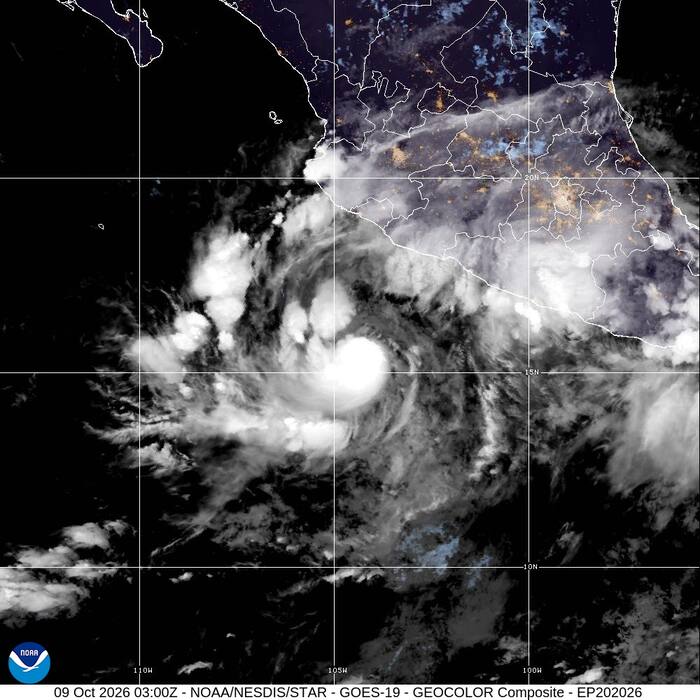
Warm ocean water breeds monsters. When Hurricane Simon took shape off the Pacific coast of Mexico, meteorologists watched parameters spike into dangerous territory very quickly. This wasn't just another seasonal disturbance. It evolved into the eleventh hurricane and ninth major hurricane of an intensely active season, packing winds that eventually peaked at 155 mph.
If you looked at the early model tracks, you saw a system destined to intensify. Rapid intensification occurs when warm sea surface temperatures meet low wind shear. Simon checked every box. The storm developed a pinhole eye and cold cloud tops, signaling extreme vertical development. It flirted with Category 5 intensity, making it a massive threat to coastal communities from Jalisco up to Nayarit.
The Reality of Rapid Intensification
Forecasters warned that Simon would get much stronger as it tracked parallel to Mexico's western coastline, and the system delivered on those warnings. Sustained winds roared, and outer rainbands began dumping heavy precipitation across Guerrero, Michoacán, Colima, and Jalisco.
People living along the coast know the drill, but familiarity doesn't stop storm surge. In places like Puerto Vallarta, tourists wandered near the boardwalk while police used megaphones to mandate evacuations. Hotels enacted emergency protocols, moving guests away from vulnerable beachfront rooms. Memories of past catastrophic events, like the heavy hits of previous decades, pushed locals to take warnings seriously long before the core scraped past.
What the Path Revealed About Pacific Storms
Storms tracking just offshore pose a unique forecasting challenge. When a hurricane's eye remains a few miles off the landmass, it escapes full friction degradation from the terrain while still throwing destructive eyewall winds and torrential rainfall directly into coastal towns. Simon maintained this precarious dance. It crawled slowly along the coast at mere crawling speeds, prolonging the punishment.
Rainfall totals crossed fifteen inches in localized zones. Rivers overflowed their banks, washing out stretches of the Armería-Manzanillo and Costa Chica highways, effectively isolating small mountain-adjacent communities. Electrical substations flooded, knocking power out for tens of thousands of utility customers across multiple municipalities.
Surviving the Aftermath
Infrastructure takes a beating during events of this magnitude. Landslides blocked mountain passes, boats sank in marinas due to violent wave action, and urban centers like Acapulco dealt with contaminated drinking water supplies after river runoff mixed with debris. Emergency services scrambled to clear fallen trees, restore downed power lines, and rescue individuals trapped by flash floods.
Preparation makes the difference between tragedy and survival when dealing with explosive marine systems like Simon. Monitoring official advisories from the National Hurricane Center and local civil protection agencies remains the single best defense against rapid weather shifts. When an intensifying storm approaches open coastlines, ignoring evacuation orders invites disaster. Pack emergency kits early, heed municipal warnings immediately, and respect the raw power of the Pacific.