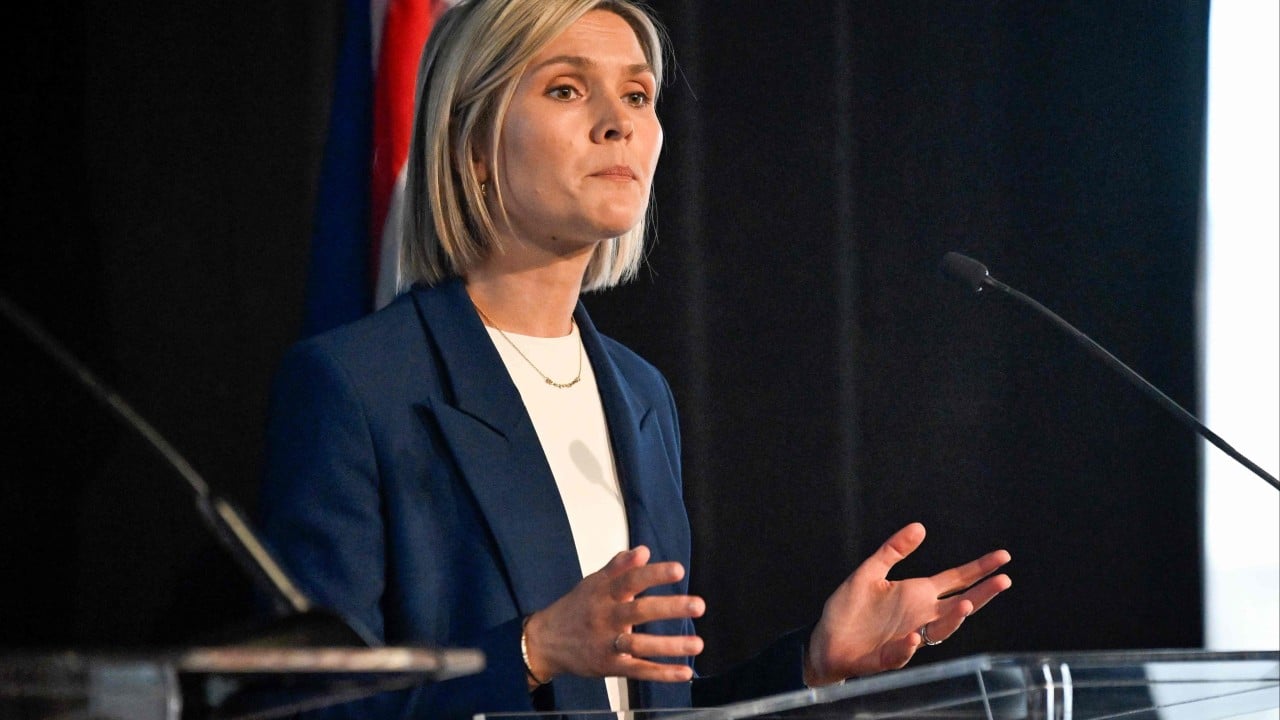
Icelandic voters just settled a decades-old political ghost. By a margin of 52.8% to 47.2%, citizens rejected a government-backed proposal to restart long-dormant accession negotiations with the European Union.
If you expected the tiny North Atlantic island nation to jump at the chance for closer integration with Brussels, you miscalculated how fiercely Icelanders guard their independence. Prime Minister Kristrún Frostadóttir's left-leaning coalition pushed for this referendum, framing it as an essential modern check-in. Voters didn't bite. Turnout soared past 82%, proving that when it comes to national sovereignty, Icelanders take a massive personal interest.
The Fishing Industry Won the Argument
You can't talk about Iceland without talking about fish. It's not just an economic sector; it's a matter of national identity.
Opponents of the EU push made fisheries the centerpiece of their campaign, and it worked brilliantly. Entering the European Union means submitting to the bloc's Common Fisheries Policy. For an island nation that fought actual naval conflicts—the famous Cod Wars—to protect its waters from British trawlers back in the 20th century, the thought of foreign bureaucrats setting catch limits in Reykjavik is a non-starter.
Roughly 90% of companies tied to Iceland's fishing industry lined up against the proposal. They weren't willing to gamble their livelihoods or open local waters to outside fleet access. When everyday voters weighed abstract economic theories against the tangible reality of guarding their marine wealth, fish won.
Geopolitical Posturing Met Local Skepticism
This referendum didn't happen in a vacuum. The government rushed the vote forward following unpredictable remarks from U.S. leadership regarding nearby Greenland. Proponents of restarting talks argued that cozying up to Europe offered a vital security blanket in a messy, shifting geopolitical climate.
Voters weren't convinced. Critics pointed out that Iceland is already a foundational member of NATO. Furthermore, Iceland already enjoys the perks of the European Economic Area (EEA) and the Schengen free-travel zone. They get the frictionless single market trade without having to hand over legislative control to a massive continental parliament. Why buy the cow when you're already getting the milk for free?
Pro-EU voices also argued that adopting the euro would finally slay Iceland's chronic inflation and high borrowing costs, which stem from managing a famously volatile domestic currency, the króna. Yet, the public remembered how fiercely the country rebounded after the brutal 2008 financial crash. That recovery taught generations of Icelanders that economic self-reliance, while bumpy, keeps power squarely in Reykjavik rather than Frankfurt.
A Staggering Urban-Rural Rift
Look at the regional breakdown of the vote, and a stark cultural map emerges.
The capital city of Reykjavik stood almost entirely alone as the lone bastion of "Yes" support. Step outside the urban center into the rural fishing villages and agricultural communities, and the opposition surged. Rural voters weren't shy about protecting their traditional way of life.
Political analysts noted that misinformation ran wild on social media, with anxieties swirling around everything from regional defense commitments to European oversight of domestic resources. Prime Minister Frostadóttir acknowledged these deep-seated regional concerns, admitting that while the debate elevated national discourse, the government will respect the mandate and keep the EU question off the active political table for the foreseeable future.
Brussels is undoubtedly nursing a headache over the outcome. EU officials hoped to lock down a wealthy, highly stable Arctic democracy to reinforce their strategic footprint in the far north. Instead, they've been reminded that deep European integration remains a tough sell when a population already feels structurally secure on its own terms.
Icelanders made their choice clear. They'll keep trading with Europe, traveling freely across its borders, and catching their own fish, thank you very much.