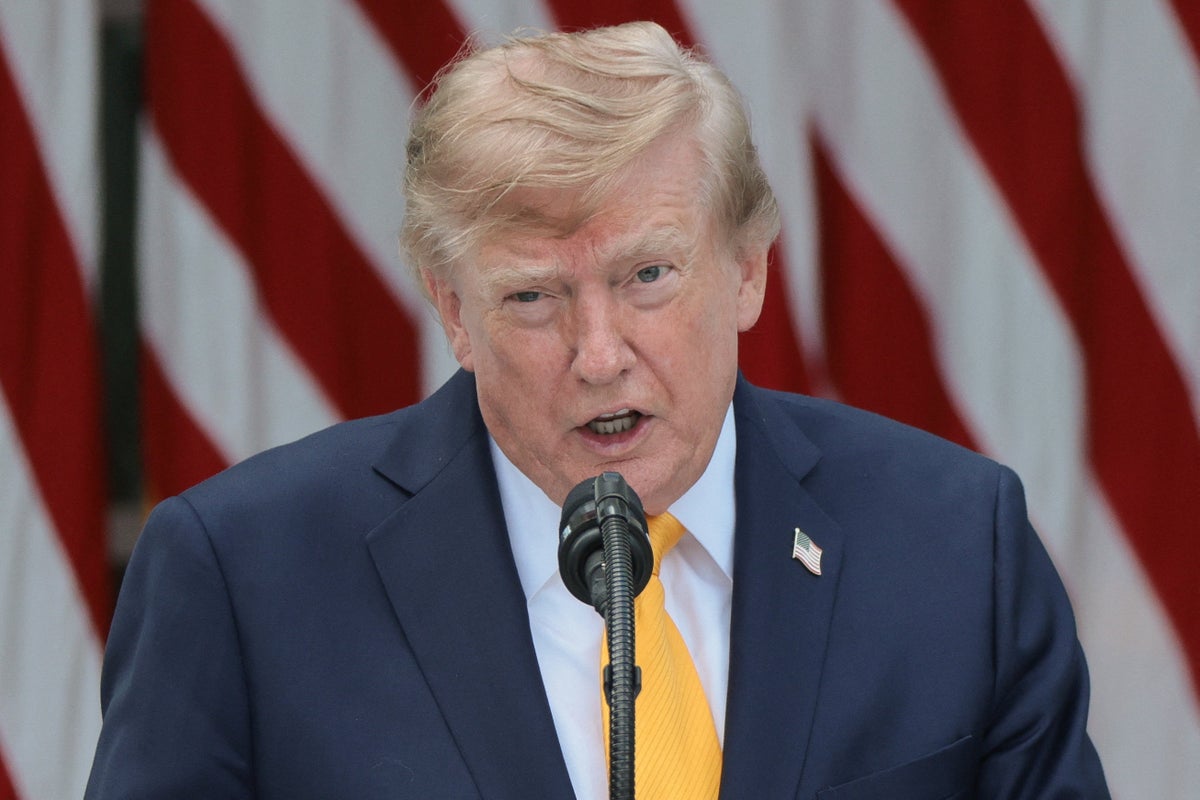
The proclamation arrived with characteristic bravado via social media. On June 15, 2026, hours after Washington and Tehran agreed to a framework peace deal mediated by Pakistan, the White House announced that commercial oil tankers were already streaming out of the Strait of Hormuz. They were, according to the official statement, safely navigating a "Southern Highway" off the coast of Oman that was described as "totally safe, secure, and pristine."
Beneath the celebratory rhetoric lies a far more volatile maritime reality. While energy markets reacted with immediate relief, sending crude prices downward, the actual state of the world’s most critical energy chokepoint is anything but settled. Interviews with international shipping executives, maritime insurers, and naval analysts reveal that the purported grand reopening of Hormuz is currently running on political adrenaline rather than operational safety.
The underlying mechanics of this sudden diplomatic breakthrough suggest that the global energy supply chain is being forced into a high-stakes experiment where the risks have not been eliminated, but merely repackaged.
The Reality of the Southern Highway
The phrase "Southern Highway" is a diplomatic euphemism for a narrow, hazardous corridor of water. For past weeks, less risk-averse crews have been hugging the jagged coastline of the Musandam Peninsula under Omani jurisdiction to bypass the heavily mined international transit lanes. This is not an orderly return to open commerce. It is a highly compressed traffic jam.
[ Persian Gulf ] ---> [ Iranian Territorial Waters (Mined/Monitored) ]
                             |
                             v  (Traffic squeezed south)
                      [ Omani Coastal Corridor ]  <--- "The Southern Highway"
                             |
                             v
[ Gulf of Oman ] ---> [ Open Ocean / Sohar & Fujairah Hubs ]
Before the 107-day war brought commercial transit to a near-total halt, vessels adhered to a strict Traffic Separation Scheme established by the International Maritime Organization. That system kept inbound and outbound tankers miles apart to prevent catastrophic collisions. Today, that layout is entirely broken.
To utilize the Omani route, vessels are instructed by US Central Command to execute what the industry calls dark transits. Tankers switch off their Automatic Identification System transponders, extinguish their running lights at night, and cut off all commercial satellite communications.
Over fifteen supertankers a day are currently running blind through these waters, squeezing through a corridor that was never designed to handle two-way traffic for vessels carrying two million barrels of crude apiece. Maritime analytics from firms like Windward indicate that traffic density in this Omani pocket has risen by over 80 percent compared to May baselines. The risk of a structural grounding or a catastrophic collision between two darkened vessels remains a statistical certainty if this volume persists.
The Hidden Mechanics of Shuttling and Logistics
What the political announcements miss is that the ships currently moving out of the strait are not completing normal voyages. They are part of an intricate, ad-hoc logistics shell game designed to drain the massive backlogs of oil trapped in regional storage hubs like Kuwait's Mina al-Ahmadi.
For the past fortnight, shipping companies willing to absorb extreme insurance premiums have been performing short, high-speed dashes into the Gulf under American air cover. They load crude from terminal facilities, run back out through the Omani corridor, and immediately transfer their cargo to larger, more conservative vessels waiting outside the danger zone.
Satellite imagery captured by the European Space Agency reveals a sudden explosion of ship-to-ship transfers off the coast of Sohar and the anchorage of Fujairah. In early May, these waters were empty. By mid-June, clusters of nine to twelve ultra-large crude carriers are locked together side-by-side, transferring millions of barrels of oil via heavy rubber hoses in open water.
This crude relay race managed to push an estimated 100 million barrels into global markets during the final weeks of the conflict, acting as an unacknowledged cushion that kept global oil prices from breaching the triple-digit threshold. But it is an unsustainable operational model. It increases wear on infrastructure, exposes crews to severe safety hazards during open-ocean transfers, and relies entirely on the continuous deployment of Western naval assets to maintain a perimeter.
The Unresolved Toll Controversy
Even if the physical threat of mines and drone strikes dissipates after the formal signing ceremony scheduled in Switzerland this Friday, a massive economic hurdle remains unresolved. The framework agreement, while declaring an "immediate and permanent termination" of military operations, leaves the regulatory control of the waterway highly contested.
Senior Iranian officials have indicated that their draft of the 14-point memorandum gives Tehran the explicit authority to manage the reopening of the strait under local maritime regulations within thirty days. Crucially, this includes the potential implementation of transit tolls on foreign commercial vessels.
The White House has flatly rejected this premise. Vice President JD Vance stated in a national broadcast that Washington’s absolute expectation is a permanent, toll-free passage, warning that any technical negotiations following Friday’s signing would be contingent on unhindered navigation.
This sets up an immediate diplomatic friction point. If Iran attempts to enforce a sovereign toll structure on the 12 million barrels of non-Iranian crude that typically flows through the strait every day, the financial burden on international shipping consortiums will merely shift from wartime insurance premiums to state-sanctioned tariffs.
The Lethal Legacy of Maritime Mining
The most significant barrier to a true normalization of commerce is not political or legal; it is mechanical. Marine underwriters in London are already signaling that insurance rates will not normalize simply because a document is signed on Friday.
The main shipping channels throughout the Strait of Hormuz are suspected to contain hundreds of bottom-moored and drifting naval mines deployed during the height of the 107-day conflict. Western intelligence assessments suggest that completely clearing these channels to guarantee safe civilian passage will require an intensive international effort.
+------------------------------------------+-----------------------------------+
| Reopening Milestone                      | Expected Timeline to Completion   |
+------------------------------------------+-----------------------------------+
| Digital Signing of Memorandum            | Completed (June 14)               |
| Commencement of High-Density "Highway"   | Ongoing (Under US Naval Guard)    |
| Formal In-Person Signing (Switzerland)   | June 19, 2026                     |
| Initial Military De-escalation & Review  | Within 7 Days of Signing          |
| Complete Mine Sweeping of Deep Channels  | 45 to 50 Days Minimum             |
| Full Normalization of Commercial Transit | Late August 2026 (Projected)      |
+------------------------------------------+-----------------------------------+
French President Emmanuel Macron has stated that French naval forces are preparing to dispatch specialized mine countermeasures vessels to assist in the operation. Until those specialized units complete their sweeps, commercial vessels that diverge even slightly from the designated Omani route risk striking an underwater explosive.
For the global energy market, the lesson of the past three months is clear. The flow of oil through Hormuz can be forced open through raw military escort and irregular shipping tactics, but the systemic vulnerability of the chokepoint cannot be wished away by political decrees. True maritime stability requires an operational transparency that a dark transit through a crowded coastal highway can never provide. The tankers are moving, but they are still traveling through the dark.