The 1-0 victory of Scotland over Haiti at the Boston Stadium did not save world football, nor did it offer a permanent cure for the sport's institutional rot. It was an erratic, fiercely contested World Cup match where a heavily deflected John McGinn strike in the 28th minute settled the score, sending Scotland top of Group C after a 36-year wait for a tournament win. Romanticizing this fixture as a wholesome antidote to modern football's corporate greed ignores the hard reality of international sport. It was a brutal, sweaty 90 minutes shaped by structural inequality, chaotic refereeing, and desperate survival tactics.
The match provided high drama, but it was not a detached fantasy world. It was a stark reminder of what the sport looks like when elite control slips, if only for an evening.
The Myth of the Romantic Underdog
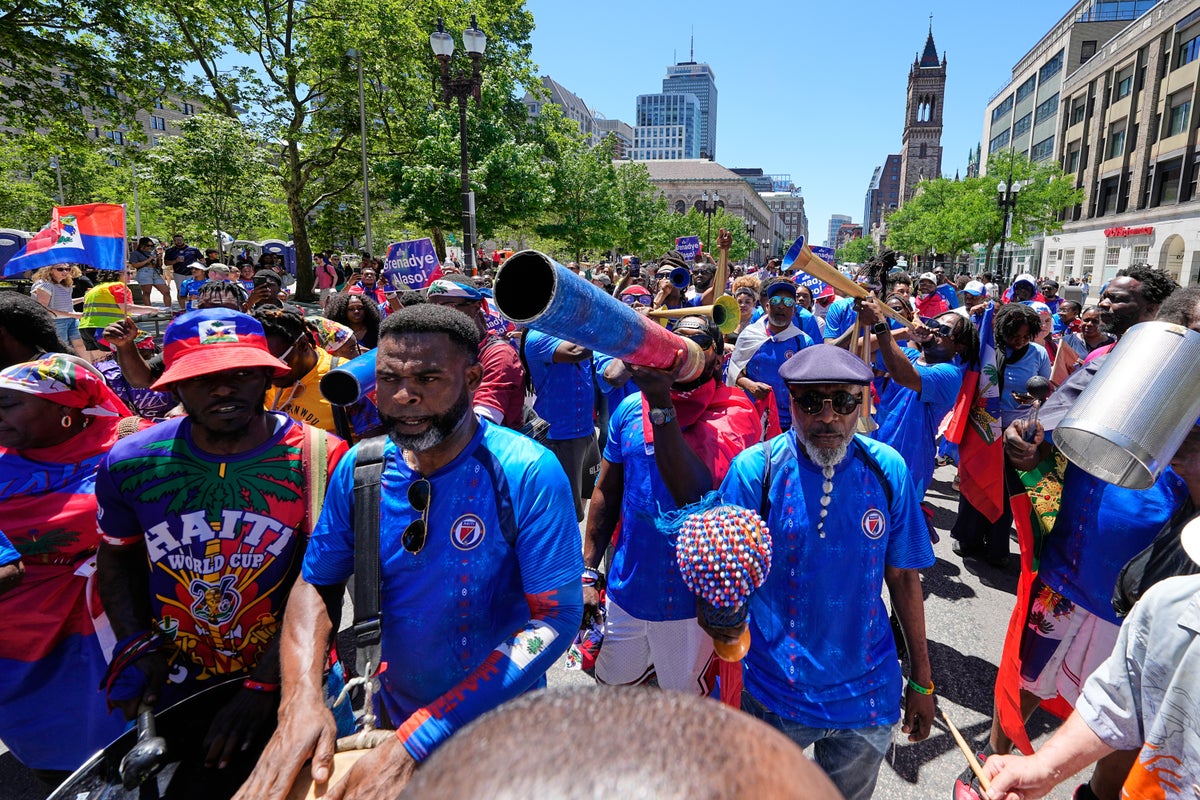
Treating teams like Haiti as a simple novelty act misses the real story of their achievement. Haiti entered the tournament ranked 83rd in the world, appearing on this stage for the first time since 1974. Describing their presence as a refreshing miracle overlooks the intense systemic disadvantages Caribbean nations face in terms of funding, infrastructure, and geopolitical backing.
When Frantzdy Pierrot glanced his late header inches wide, or when Jean-Ricner Bellegarde orchestrated the second-half midfield tempo, they were not playing for a feel-good narrative. They were fighting for validation against a European establishment that hoards resources.
Scotland, despite their own 28-year absence from the World Cup finals, operate within the wealthy European structure. Steve Clarke’s squad features seasoned Premier League and Serie A professionals. The financial gap between the two setups is vast. Yet, on the pitch, that gap closed through aggressive tactical discipline and relentless energy.
The romanticized view suggests that small nations find success through pure joy. In truth, it requires grueling labor, immense sacrifice, and a refusal to be intimidated by superior financial backing.
Systemic Flaws in the Era of High Technology
The second half of the match exposed the deep inconsistencies of modern officiating, proving that technology cannot fix a broken system. Haiti was denied what appeared to be a clear penalty in the 79th minute when Bellegarde's shot struck the arm of Scottish defender Grant Hanley. Despite frantic appeals, neither the on-field official nor the video review room intervened.
Later, deep into stoppage time, Kenny McLean escaped a red card for a dangerously high challenge on Josué Casimir, receiving only a yellow.
These were not minor oversight errors. They highlight a recurring pattern where smaller nations rarely get the benefit of the doubt in high-stakes moments. The introduction of expensive video review systems was supposed to ensure total fairness. Instead, it has introduced a layered bureaucracy that often protects initial human errors rather than correcting them.
The system remains flawed because the pressure to protect established storylines and avoid controversial delays often overrides the objective truth on the pitch. When a decision affects a nation like Haiti against a well-supported European side, the silence from the replay booth feels structural, not accidental.
Survival Tactics Over Style
Steve Clarke’s post-match comments cut through the media sentimentality. He admitted his side could have been better with the ball but summarized his outlook plainly: "We won." This is the reality of tournament football at the highest level. It is a business of survival, not an exhibition of artistic beauty.
Statistical Reality of Group C
The opening round of fixtures completely altered the expectations for the group, emphasizing points over aesthetics.
| Team | Played | Won | Drawn | Lost | Points | Goal Difference |
|---|---|---|---|---|---|---|
| Scotland | 1 | 1 | 0 | 0 | 3 | +1 |
| Brazil | 1 | 0 | 1 | 0 | 1 | 0 |
| Morocco | 1 | 0 | 1 | 0 | 1 | 0 |
| Haiti | 1 | 0 | 0 | 1 | 0 | -1 |
Scotland relied on direct attacks and physical resilience. Ben Doak provided an aggressive spark down the wing, and the defensive line threw themselves into blocks during a frantic final fifteen minutes.
Haiti adjusted their tactics at halftime, moving the ball with speed and isolating defenders in wide areas. Ruben Providence and Wilson Isidor repeatedly troubled the Scottish flanks.
This was not an idealized exhibition of classic football. It was a grueling, physical encounter played in heavy heat, defined by mistakes, missed opportunities, and tactical desperation.
"If teams let them play, they play, but if they have to dig in and show that character and resilience, that's what they do." — Steve Clarke
The Reality of Expansion
The expanded 48-team tournament structure faces constant criticism for lowering the overall quality of competition for the sake of broadcast revenue. Critics argue that matches like Haiti against Scotland represent a dilution of elite sport. That argument is short-sighted.
The match in Boston proved that expansion is necessary because it forces traditional powers out of their comfort zones. Scotland had to struggle to protect a single-goal lead against an opponent dismissed by pundits before kickoff.
The true flaw in modern football is not the inclusion of more nations. It is the uneven distribution of wealth that happens between these tournaments. A brief 90-minute struggle does not fix the underlying economic imbalance.
When the tournament concludes, the elite clubs and associations will reclaim their dominance over resources, scheduling, and political influence. Celebrating one competitive match as a victory over institutional greed ignores the fact that the system remains completely unchanged.
The match was memorable because the players fought through those limitations, delivering an intense contest despite the systemic flaws surrounding them. Expecting a single game to fix the sport's deep-seated issues is a mistake. The focus should be on the systemic inequalities that make matches like this a rare exception rather than the standard.