International trade pacts rarely move quickly. Bureaucracy usually drags them out for years. Yet, the long-awaited India-US trade deal is now essentially wrapped up, according to Commerce Secretary Rajesh Agrawal.
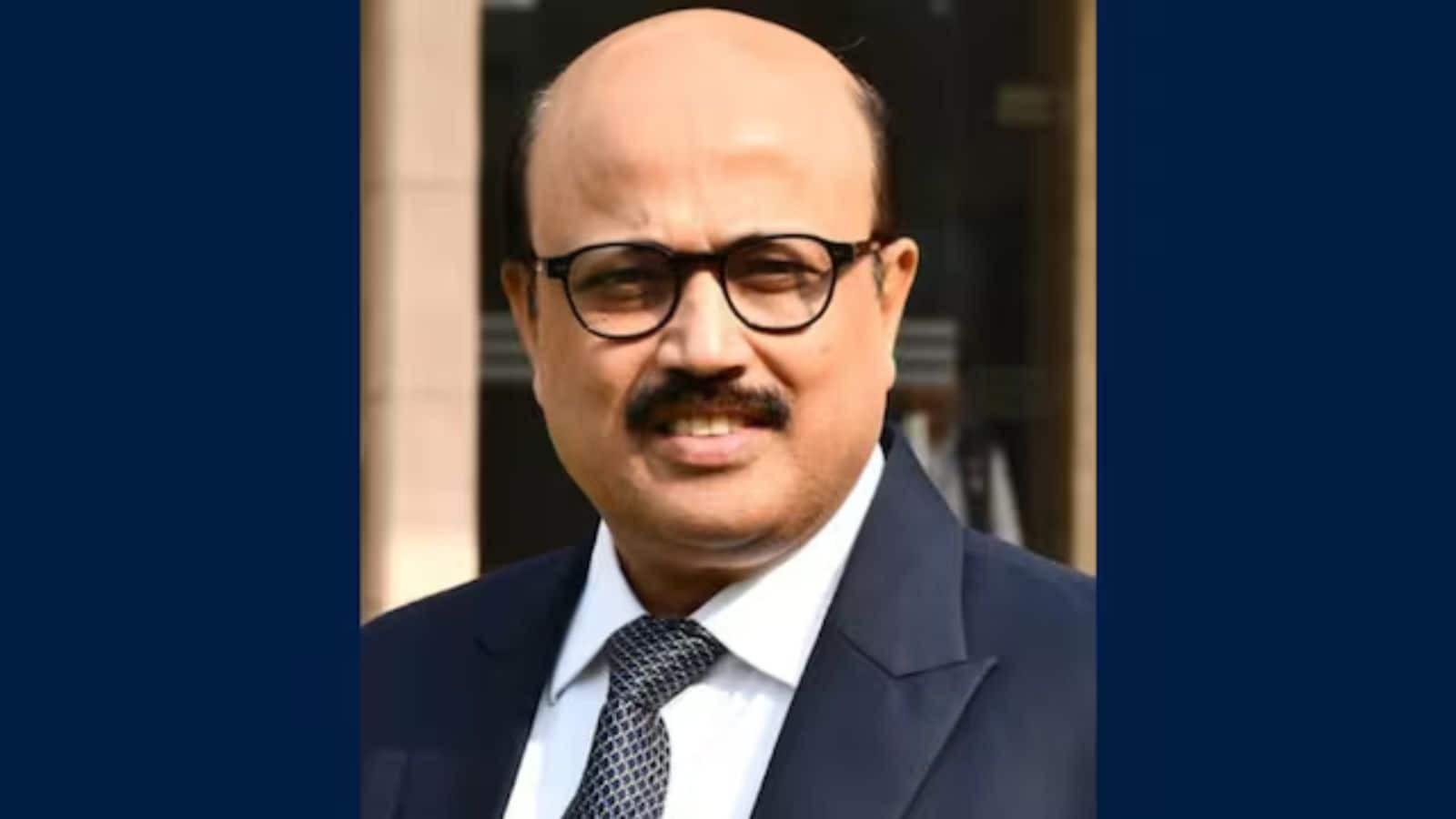
Speaking on the sidelines of the Global Fintech Fest 2026 in Mumbai, Agrawal confirmed that the broad contours of the agreement are more or less finalized. Both governments are currently hammering out the final architecture for preferential market access before putting ink to paper.
This development changes the bilateral economic landscape completely. If you are tracking cross-border commerce, you need to understand what is actually happening behind the scenes.
The Tariff Puzzle and Preferential Access
Bridging two entirely different trade frameworks is no small feat. India relies heavily on most-favoured-nation (MFN) tariff structures, while the United States operates using specific executive tariffs.
Because of this structural mismatch, negotiators have had to engineer a brand-new framework. The goal is to carve out distinct tariff differentials that grant both nations genuine preferential market access. It is technical work, but private sector entities on both sides are already aligning their strategies. Businesses aren't waiting for the ceremonial signing; they are already betting on the outcome.
Beyond Washington: Other Pacts Nearing the Finish Line
The US agreement isn't the only item on India's busy trade agenda. Momentum is building across multiple fronts.
The free trade agreement with Chile has entered its final negotiation phase. Officials expect meaningful headway over the next two to three months. Meanwhile, a pact with New Zealand is slated to go live as early as October.
Over the past five years, India has inked nine trade agreements covering economies with a combined GDP of roughly 60 trillion dollars. That velocity signals a deliberate push to secure supply chains before global protectionism tightens further.
The Hidden Growth Engine in Fintech Exports
Trade deals usually evoke images of shipping containers, agricultural goods, and manufactured hardware. But the real surprise in Agrawal's recent statements points straight to digital services.
India wants to scale its financial services and fintech exports from a modest 8 billion dollars to an aggressive 60 to 80 billion dollars. Digital public infrastructure like the Unified Payments Interface (UPI) has proven that India can scale population-level financial architecture.
Now, the blueprint is expanding outward to the Global South. Emerging markets across Asia, Africa, and Latin America face identical hurdles: large informal sectors, heavy cash reliance, and thin credit visibility. By exporting modular fintech solutions—ranging from digital lending to cross-border remittances—Indian firms are positioning themselves as infrastructure providers for the developing world.
Consider remittances alone. Sending money across borders remains bogged down by exorbitant intermediation costs, often eating up 5 to 6 percent of a migrant worker's hard-earned cash. Bringing that average down to 3 percent would instantly put an extra 5 billion dollars back into the pockets of Indian migrants. Globally, scaling that reduction would unlock 30 billion dollars for migrant populations everywhere.
Navigating Near-Term Friction
Of course, macro-level optimism doesn't eliminate daily operational headaches. Global shipping and logistics continue to test exporters. Freight costs and container availability remain volatile.
Yet, the impact hasn't choked growth as severely as pessimists feared. Merchandise exports grew by over 15 percent in the first four months of the fiscal year. The government is actively working with logistics providers to keep cargo moving and minimize port bottlenecks.
If you run an export-oriented business or manage supply chain logistics, stop treating these trade frameworks as background noise. Review your tariff classifications, prepare for preferential access shifts, and look closely at how digital trade corridors are reshaping your sector. The rules of engagement are rewriting themselves right now.