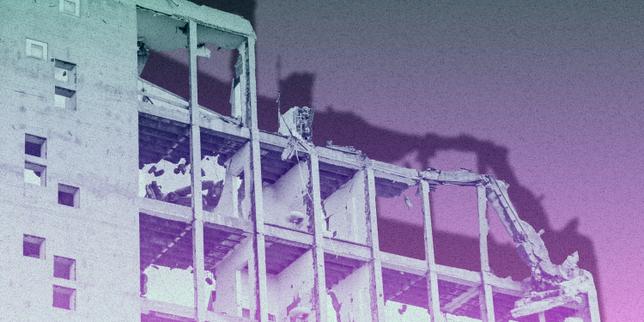
Truth doesn't just disappear in a war zone. It's usually buried under rubble or choked out by restricted borders. Right now, the international community is watching a conflict in Gaza where the most vital witness—the independent foreign press—is largely barred from entry. This isn't just a logistical hurdle or a byproduct of "fog of war" chaos. It’s a systemic choice that leaves the global narrative in the hands of those with the biggest guns and the loudest social media accounts.
When we talk about the battle of narratives, we’re talking about who gets to define reality. If you can’t get a neutral pair of eyes on the ground, you aren't getting the news. You’re getting a press release.
The Myth of Sufficient Local Coverage
There’s a common argument that we don't need foreign reporters in Gaza because Palestinian journalists are already there. That line of thinking is dangerous and disrespectful to the reality these local reporters face. Palestinian journalists are doing heroic work. They’re filming while their own houses are being bombed. They’re reporting while mourning their children. According to the Committee to Protect Journalists (CPJ), this conflict has been the deadliest period for journalists since they began tracking data in 1992.
But here is the hard truth. Local reporters are targets. They are also part of the community being attacked. They don't have the luxury of "objective distance" because they’re trying to survive. When the Israeli government blocks international outlets like the AP, Reuters, or the BBC from entering independently, they strip away a layer of verification that protects everyone. International journalists bring different resources, different satellite uplinks, and a layer of diplomatic protection that—while fraying—still matters.
By keeping them out, the Israeli military ensures that every piece of footage coming out of Gaza can be dismissed as "propaganda" by critics. If a local records a strike, skeptics claim it's staged. If an international crew records it, the weight of evidence changes. Preventing that evidence from existing is a tactical move. It's a way to keep the truth in a permanent state of "unverified."
The High Cost of Embedded Reporting
When the Erez or Kerem Shalom crossings remain closed to the press, the only way for many Western reporters to see Gaza is by "embedding" with the Israel Defense Forces (IDF). If you've never seen how this works, it’s basically a guided tour of a graveyard.
You wear the helmet. You ride in the armored personnel carrier. You see exactly what the military wants you to see. Usually, this involves a few captured tunnels or a cache of weapons in a school. I'm not saying those things aren't real, but they are a fraction of the story. While embedded, you aren't allowed to wander off and talk to a family in a tent. You aren't seeing the bread lines or the hospitals in their rawest moments.
Most importantly, the IDF often requires that footage taken during these embeds be submitted for security review. That’s censorship by another name. It creates a filtered reality where the war looks clean, tactical, and necessary. The grit and the human cost are edited out before the file even reaches the editor's desk in London or New York.
Why the Battle of Narratives is Winning
We live in an era where an AI-generated image can go viral in minutes. In a high-stakes conflict like Gaza, misinformation is a weapon. When there's a vacuum of credible, independent reporting, that vacuum gets filled by garbage.
- State-led propaganda: Both sides use Telegram and X to blast out unverified claims.
- Algorithmic bias: We see what we already believe because there's no neutral "anchor" of facts to pull us back to center.
- Desensitization: Without the deep, long-form storytelling that veteran foreign correspondents provide, the war just becomes a series of grainy, 10-second clips that people swipe past.
We're losing the ability to agree on basic facts. Was a specific building a command center or a shelter? Without independent forensics and on-the-ground interviews conducted by people who don't have a stake in the local political outcome, we will never know. That ambiguity serves the powerful. It doesn't serve the victims.
The Legal and Ethical Breach
International law is pretty clear on this, even if it’s rarely enforced. Journalists are civilians. Blocking their access to a conflict zone without a specific, immediate security threat to those individuals is a violation of the principles of a free press. Israel often cites "security risks" at the border as the reason for the ban.
Let's be real. Journalists have been entering war zones for over a century. They know the risks. They sign waivers. They pay for their own high-risk insurance. The "security" being protected here isn't the safety of the reporters—it’s the security of the narrative. If the world sees the full scale of the starvation and the surgical-level destruction of civilian infrastructure, the diplomatic pressure changes.
Organizations like Reporters Without Borders (RSF) have repeatedly filed suits and petitions to open the crossings. They’ve pointed out that preventing access is a form of collective punishment against the world's right to know. If you're a taxpayer in a country sending arms to this conflict, you have a direct right to know how those arms are being used. Right now, that right is being denied.
The Invisible Casualties of the Press Ban
It’s not just about the big headlines. It’s about the "small" stories that create the fabric of history.
- The breakdown of the civil registry.
- The specific challenges of women giving birth in ruins.
- The long-term environmental collapse of the region.
These aren't stories you can tell from a drone feed or a leaked WhatsApp voice note. They require a physical presence. They require a reporter sitting in the dust for three days. By banning the press, we are effectively deleting the history of a people in real-time. We are saying that their lived experience only matters if it can be caught on a shaky cell phone camera and survive an internet blackout.
What Needs to Change Immediately
The "wait and see" approach is a failure. Every day the borders stay closed to the press is another day of history that we're losing. This isn't just about Gaza; it sets a terrifying precedent for the next conflict. If a state can successfully block the world from seeing its wars, every other military will follow suit.
Pressure needs to shift from mere "concern" to specific demands. Foreign governments should make press access a condition of diplomatic support. Media conglomerates need to stop playing nice with the embed system and start demanding independent entry as a unified front.
Don't let the silence fool you into thinking things are settling down. The silence is manufactured. It’s a deliberate wall built to keep you from seeing the uncomfortable truth of what’s being done in the name of security. If you want to support the truth, stop settling for the curated clips on your feed. Demand that the gates open. Demand that the storytellers be allowed to do their jobs before there's no one left to tell the story to.
Support organizations like the CPJ and RSF. Follow the local Palestinian journalists who are still breathing and still filing reports. They are the only thing standing between the world and total darkness right now. Don't look away just because the footage is grainy. That grain is the sound of the truth trying to survive a vacuum.