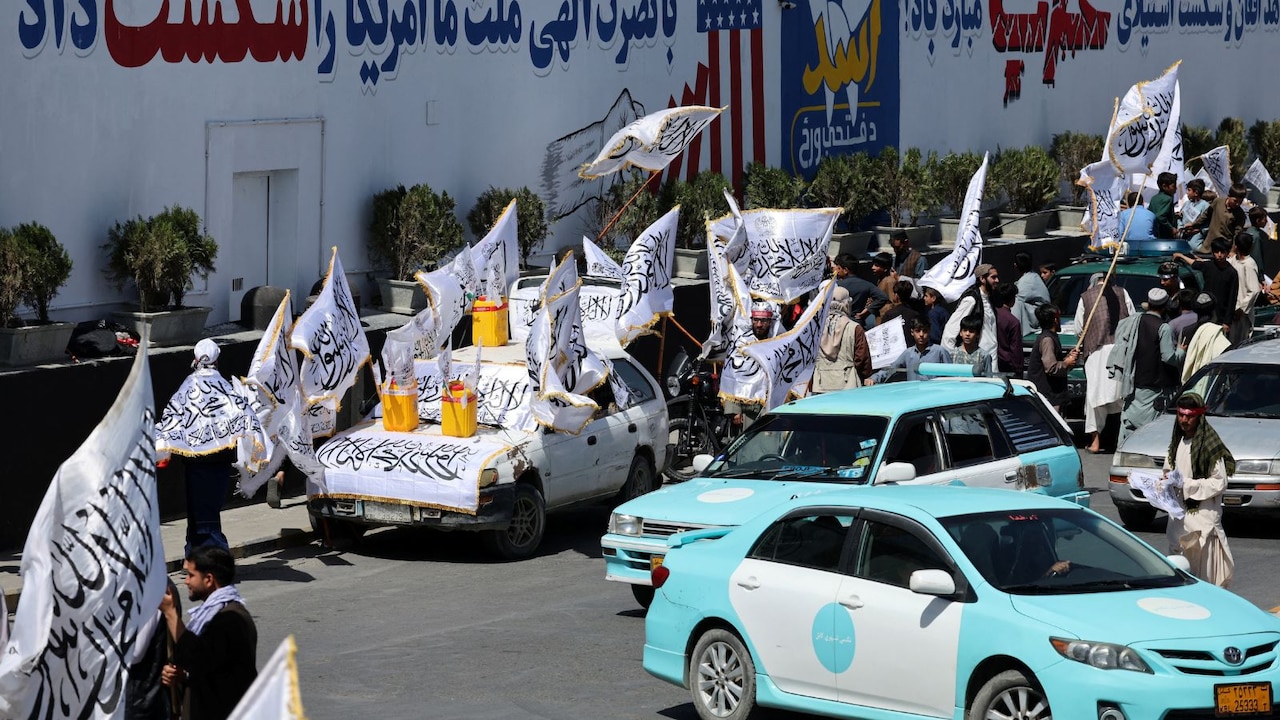
Five years after the chaotic collapse of the Western-backed government in Kabul, Afghanistan under Taliban rule has settled into a grim permanence. On August 15, 2021, triumphant fighters walked into an abandoned capital as American transport planes scrambled away. Today, that initial shock has morphed into a systematic, bureaucratized architecture of oppression. Survival has been mistaken for stability, and quiet streets have been confused with peace.
The reality on the ground is far more complex and brutal. Afghanistan remains the only nation on earth where half the population is systematically erased from public life, locked behind a wall of more than two hundred restrictive edicts. If you liked this article, you should check out: this related article.
The Architecture of Exclusion
What began five years ago as a series of temporary restrictions on secondary schools has evolved into total legal apartheid. The Taliban administration has replaced constitutional governance with a rigid network of verbal directives and written edicts enforced by the Ministry for the Propagation of Virtue and the Prevention of Vice.
Every public space is now a potential checkpoint. Women are barred from universities, public parks, and administrative offices. Their presence in the workforce has been driven down to a fraction of pre-2021 levels, stripped even of civil service paychecks. For another look on this story, check out the recent coverage from USA Today.
Even the human voice has been criminalized. Under recent morality codes, a woman's voice in public is classified as something that must be concealed.
A generation of girls is growing up in a vacuum. A child who was twelve when the regime returned is now seventeen, her education permanently frozen. This is not merely a series of administrative bans. It is the calculated dismantling of a nation's human capital.
The Illusion of Security
International reporting often points to a single metric to describe the current state of Afghanistan: the nationwide drop in traditional combat casualties. With the insurgency over, highway travel is safer than it was during the twenty-year Western war. Merchants can move goods across provinces without running the gauntlet of roadside bombs or insurgent checkpoints.
Yet this physical security exists alongside profound economic desperation. Foreign aid has plummeted, leaving roughly half the population dependent on humanitarian assistance. Millions of children face acute malnutrition. The return of millions of refugees from neighboring Pakistan and Iran has strained local infrastructure to its breaking point.
Jobs are scarce, wages are low, and the informal cash economy offers no safety net. Families facing mounting debts and starvation are forced into heartbreaking compromises. Child marriage rates have climbed as desperate households try to secure food or clear financial obligations. Security from crossfire means little when children are wasting away from hunger inside their homes.
The Geopolitical Softening
Diplomatic isolation was supposed to force the regime to moderate. That theory has quietly collapsed over the past five years. While formal international recognition remains elusive, pragmatic engagement has taken its place.
Regional powers and neighboring states have gradually established working relationships with the administration. Embassies in Kabul have reopened or upgraded their diplomatic missions, prioritizing trade, border security, and regional stability over human rights benchmarks. Trade corridors remain open, and mineral extraction contracts are quietly negotiated.
This incremental normalization creates a dangerous precedent. When international law is enforced selectively, systematic human rights abuses risk becoming background noise. The diplomatic calculus has shifted away from confrontation toward containment.
For the millions trapped inside the borders of Afghanistan, this shift feels like an abandonment. The world has moved on to other global conflicts, leaving the population to navigate a reality where survival demands absolute compliance, and the future has been indefinitely canceled.