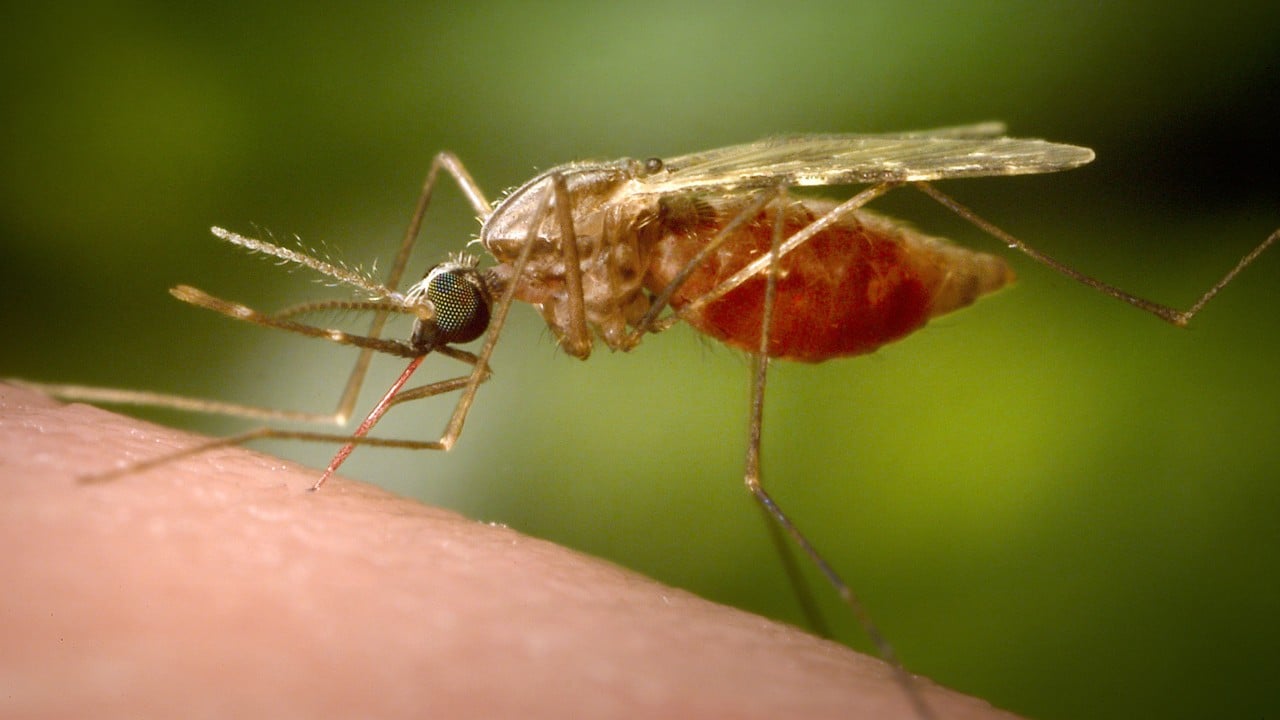
An airport worker died of malaria and five others required hospitalization following a rare local transmission event triggered by an infected mosquito trapped inside an incoming commercial aircraft. This tragedy lays bare the widening vulnerabilities in global aviation biosecurity. For decades, public health authorities treated vector-borne diseases as geographically isolated threats tied to specific tropical regions. That assumption is dead. International transit hubs now function as biological bridgeheads where the boundaries of endemic disease zones dissolve beneath the weight of mass commercial travel.
The Mechanics of Airport Malaria Transmission
Airport malaria, known in epidemiological literature as luggage malaria or stowaway malaria, occurs when an infected mosquito hitches a ride in the cabin or cargo hold of an international flight, survives the journey, and bites someone near the landing site. Unlike travel-acquired malaria, which requires an individual to visit an endemic zone, this variant strikes ground personnel, baggage handlers, and local residents who have never left their home country.
The biological chain of events is straightforward yet devastating. Anopheles mosquitoes require warmth, humidity, and a blood meal to reproduce. A wide-bodied commercial aircraft operating a multi-hour route from an endemic region provides a climate-controlled incubator. When the cabin door opens upon landing, these insects escape into the jet bridge or baggage sorting areas.
During peak operational hours, international terminals teem with workers in high-visibility vests moving rapidly between climate-controlled environments and open tarmac air. A single infected female Anopheles mosquito can feed on multiple hosts over a span of several weeks. When that mosquito carries Plasmodium falciparum, the parasite responsible for the most severe form of malaria, the window for intervention is razor-thin. Local health departments often misdiagnose early symptoms because they do not expect to encounter tropical parasites in temperate urban centers. Fever, chills, and fatigue mimic common influenza strains, leading to delayed treatment protocols that dramatically increase mortality risks.
Systematic Failures in Aircraft Disinsection Protocols
International aviation guidelines established by the World Health Organization provide frameworks for vector control, specifically through aircraft disinsection. Airlines operating routes from endemic areas are expected to spray cabins with residual insecticides or treat them using block-away or top-of-descent methods. In practice, compliance varies wildly.
Economic pressures drive carriers to minimize turnaround times. A grounded plane generates zero revenue. Ground crews face intense scheduling demands that frequently bypass thorough cabin inspections. Chemical treatments degrade over time, and older aircraft possess ventilation quirks that allow pockets of stagnant air to harbor resilient insects through intercontinental flights.
Furthermore, environmental regulations in certain destination countries restrict the types of chemicals permitted for onboard spraying due to passenger sensitivity concerns. When airlines abandon rigorous disinsection to avoid complaints or regulatory friction, they gamble with public safety. The recent fatality proves that the house wins every time this bet is placed.
Regulatory Blind Spots at Major Transit Hubs
Border control agencies focus heavily on customs declarations, agricultural contraband, and human biosecurity screening. Mosquitoes do not clear customs. Agricultural inspection teams check for invasive plant species and fruit flies that threaten local crops, but human disease vectors receive significantly less oversight at the point of deplaning.
- Inadequate Surveillance: Most airport authorities lack active entomological traps designed to detect vector species inside terminal buildings.
- Delayed Reporting: Ground staff experiencing unexplained fevers rarely connect their symptoms to workplace exposure until the disease reaches advanced stages.
- Jurisdictional Gaps: Responsibility for public health enforcement often falls into a bureaucratic gray zone between federal aviation regulators, municipal health departments, and private airport management companies.
Climate Shifts and the Expansion of Vector Habitats
Global temperature shifts are rewriting the operational reality of vector control. As average temperatures rise across North America and Europe, regions that were once inhospitable to tropical mosquitoes are becoming viable breeding grounds. Anopheles species do not need a permanent tropical climate to thrive during summer months; they require stagnant water, elevated humidity, and a sequence of warm weeks to complete their reproductive cycle.
When an imported mosquito escapes into a warming urban environment near a major hub, the probability of secondary transmission skyrockets. Urban heat islands trap warmth around concrete-heavy airport complexes, creating localized microclimates that mimic tropical conditions. The convergence of heavier international flight volumes and rising global baseline temperatures creates an environment where airport malaria transitions from a statistical anomaly to a recurring systemic threat.
Protecting ground crews requires an immediate overhaul of occupational safety standards. Unions representing baggage handlers and ramp agents are demanding mandatory insect screening, preventative prophylaxis education for workers in high-risk zones, and automated vector surveillance systems integrated directly into terminal HVAC units. Airlines can no longer treat cabin hygiene as an optional line item on a maintenance checklist. The cost of neglect is measured in human lives, and the current approach is failing the people who keep the global economy moving.

/i.s3.glbimg.com/v1/AUTH_51f0194726ca4cae994c33379977582d/internal_photos/bs/2025/i/r/awbO2yQqaKlcaE88EbfQ/saveinsta.to-487450509-18505253173001043-4348954377809315877-n.jpg)