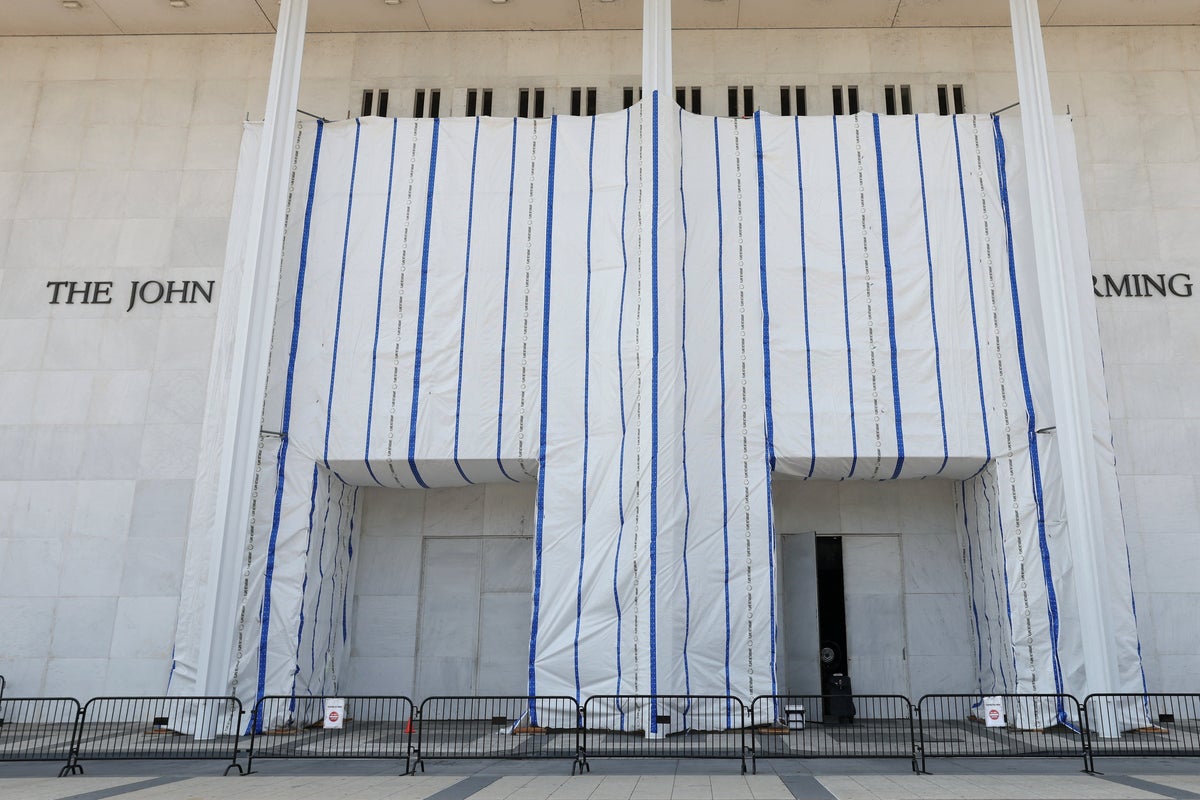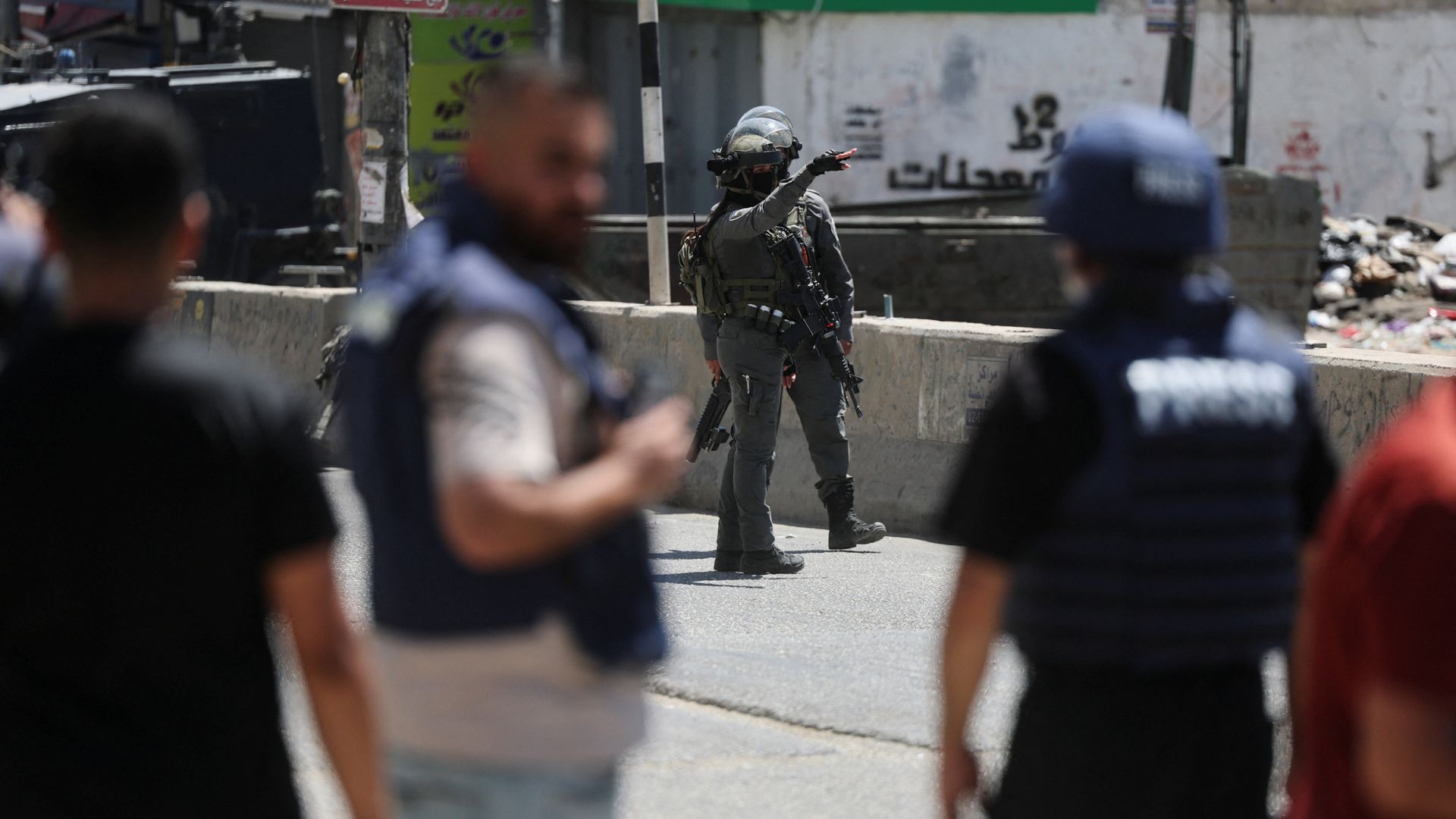
The takeover of United Nations property in East Jerusalem marks a profound escalation in a decades-long bureaucratic and territorial war. When Israeli authorities moved to seize and shutter the UNRWA compound in the Sheikh Jarrah neighborhood, it was not merely a localized zoning dispute or a routine municipal enforcement action. It signaled a calculated systemic effort to dismantle the operational footprint of the agency charged with Palestinian relief.
Bureaucrats in uniform arrived with eviction notices, heavy machinery, and local police escorts. The stated justification relied on alleged planning violations and unpaid municipal taxes stretching back years. Yet diplomats and regional observers recognize the maneuver as part of a broader legislative campaign initiated by the Knesset to sever institutional ties with the organization entirely.
Understanding this crisis requires looking past the immediate spectacle of police tape and locked gates. The conflict exposes the fragile legal architecture governing international mandates inside disputed municipal boundaries.
The Legislative Pipeline
The raid did not happen in a vacuum. For months, Israeli lawmakers advanced legislation aimed at outlawing the operations of the United Nations Relief and Works Agency within sovereign territory. Proponents of the ban argued that elements within the agency compromised its neutral standing, pointing to allegations regarding staff participation in regional hostilities.
Critics of the legislation counter that these accusations, while severe, served as a political pretext to dismantle an agency that maintains the legal status of refugees and preserves the international consensus on the disputed status of East Jerusalem. By cutting off diplomatic credentials, revoking tax exemptions, and banning direct communication between state officials and agency personnel, the government constructed a legal trap.
The physical seizure of the Sheikh Jarrah compound represents the operational execution of those statutes. It transforms abstract parliamentary votes into concrete geopolitical facts on the ground.
Municipal Mechanics and Financial Leverage
Municipal pressure offers a convenient administrative lever for state objectives. For years, authorities claimed the agency owed millions in municipal property taxes for its East Jerusalem headquarters. The agency historically claimed diplomatic immunity from local taxation under foundational international agreements established in the wake of the 1946 Convention on the Privileges and Immunities of the United Nations.
The state judiciary, however, interpreted those protections narrowly when applied to municipal rates rather than national sovereign taxes. This created a recurring financial standoff. By freezing bank accounts, threatening utility cutoffs, and finally issuing administrative seizure orders, the municipality weaponized local bureaucracy to achieve what federal legislation set out to mandate.
Property records show the compound sits on land originally leased before 1967. The legal ambiguity surrounding post-1967 administrative annexation compounds the complexity. Israel considers the entirety of Jerusalem its undivided capital, a status rejected by the vast majority of the international community, which views East Jerusalem as occupied territory under international law.
The Diplomatic Fallout
The international response was swift, predictable, and largely toothless. Western capitals issued stern diplomatic protests, warning that dismantling humanitarian infrastructure in the midst of a regional crisis would worsen civilian suffering.
Yet formal condemnations rarely alter facts created by municipal bulldozers. The United Nations leadership demanded immediate restitution of the property, noting that inviolability of premises is a cornerstone of multilateral diplomacy. Without enforcement mechanisms that do not rely on the consent of the host state, those demands ring hollow.
Regional neighbors watched the development with deep alarm. Several Arab states with formal normalization agreements warned that targeting multilateral institutions inside Jerusalem crosses a red line that threatens the entire framework of regional diplomacy.
Administrative Consequences for Residents
The immediate human cost falls on the thousands of residents who rely on the compound for administrative coordination, health services, and educational oversight. While the East Jerusalem facility primarily served as a headquarters and logistical hub rather than a direct service delivery site like the camps in the West Bank or Gaza, its closure disrupts the nervous system of regional humanitarian logistics.
Medical referrals, supply chains, and personnel transit all flow through the central bureaucracy now sitting behind padlocked gates. Staff members face immediate unemployment or relocation risks under shifting visa and residency rules enforced by interior ministry officials.
The physical displacement of the agency leaves a vacuum in municipal governance. Alternative service providers lack the institutional capacity to absorb the administrative load overnight.
The Broader Trajectory
This confrontation serves as a blueprint for future friction between sovereign states and international organizations operating in contested zones. When domestic political imperatives clash with multilateral mandates, physical asset seizure emerges as a potent tool of statecraft.
The legal battles will drag through courts for years, long after the physical compound has been repurposed or demolished. By the time international tribunals issue advisory opinions, the administrative reality on the ground will be irreversible.
The fence around the Sheikh Jarrah facility is locked. The diplomats are writing memos. The bulldozers have already moved on to the next address.