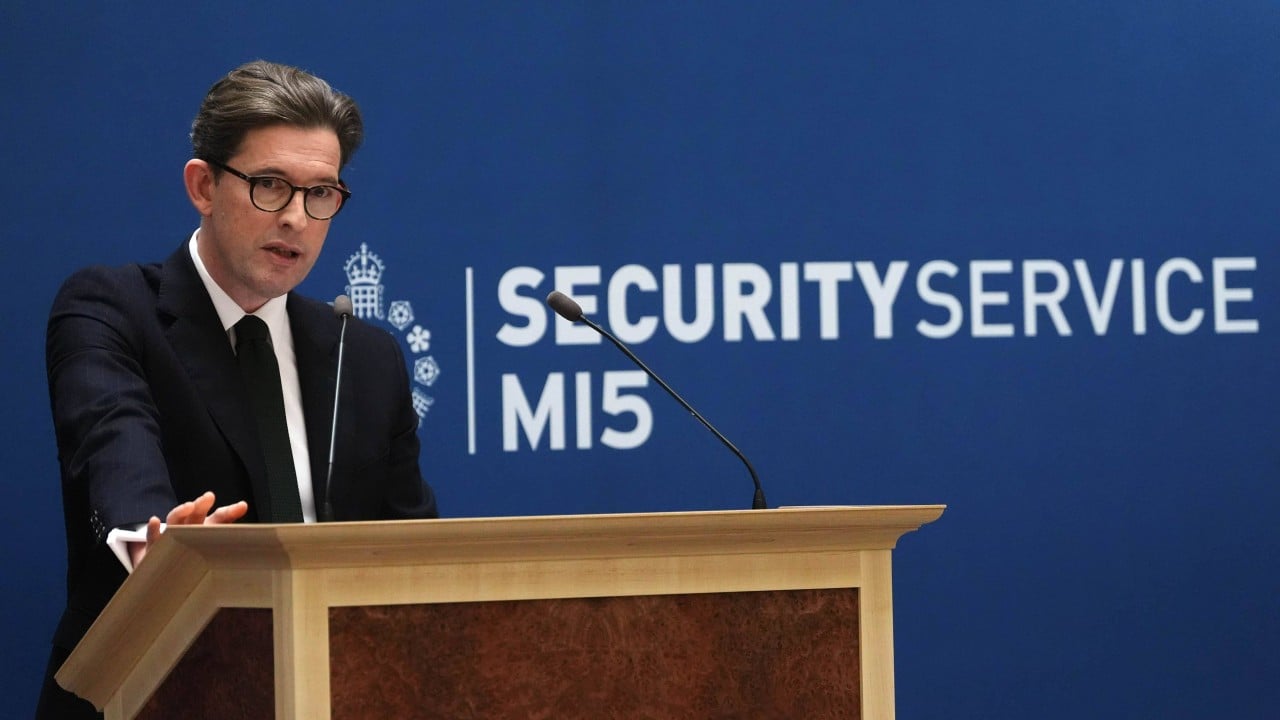
Warnings from the leadership of MI5 over Iranian operations against military sites in the UK reflect a fundamental shift in how hostile states conduct espionage and sabotage on British soil. Rather than relying solely on classic Cold War spycraft or distant cyber intrusions, Tehran has increasingly leaned on deniable intermediaries, criminal networks, and physical reconnaissance near defense infrastructure. For decades, counterintelligence chiefs spoke of hostile state activity in broad geopolitical terms. Today, the threat sits at the perimeter fence, in commercial logistics chains, and inside encrypted messaging chats.
Understanding why military sites in the UK have become focal points requires looking past headlines about dramatic foiled plots. Intelligence agencies rarely disclose every detail of active investigations while prosecutions or diplomatic measures are pending. Yet the pattern observable across recent years points to an operational model built on plausible deniability, low-cost recruitment, and persistent pressure against Western defense supply lines.
Why Defense Sites Attract Hostile Attention
Military installations represent concentrated nodes of capability, personnel, and symbolic weight. Even when an operation falls short of catastrophic sabotage, probing a base or targeting individuals connected to defense procurement serves clear strategic purposes. It tests security perimeters. It maps routines. It creates a climate of caution that forces security services to expend finite resources watching every corner.
Consider a hypothetical example of how low-level reconnaissance works in practice. A handler operating outside the country contacts a local intermediary through an encrypted app and offers modest payment to photograph vehicle movements near a logistics depot or gather public details about contractors working on defense systems. No single action looks like a classic James Bond break-in. Taken together, dozens of small probes help an adversary build a picture of supply timing, facility layout, and human vulnerabilities.
Defense sites also sit at the intersection of military readiness and civilian society. Many bases rely on regional transport routes, local contractors, and surrounding communities. Hostile actors exploit those seams because front-gate security is notoriously hard to breach directly. Targeting adjacent nodes, personnel, or commercial suppliers lets a foreign service apply pressure while keeping its own intelligence officers at arm's length.
The Shift Toward Proxies and Deniability
Traditional intelligence work carries steep diplomatic and operational costs when officers are caught. Expulsions follow. Cover is blown. Networks are rolled up. Using cutouts and criminal middlemen changes that math.
When a hostile state hires gang members, petty criminals, or opportunists to carry out surveillance, intimidation, or physical disruption, attribution becomes messier. Recruits often do not know the full picture or the ultimate sponsor behind a payment. If police arrest someone on the ground, the state sponsor can deny involvement while still reaping the psychological and operational friction of the attempt.
This approach is not unique to one government, nor is it brand new. Intelligence historians have long documented states using irregulars and criminal elements to blur responsibility. What makes the current environment distinct is speed and scale. Messaging platforms allow remote tasking across borders in minutes, and digital payment rails or cash drops move money with minimal friction.
Supply Chains and Dual-Use Chokepoints
Modern military power depends heavily on commercial manufacturing, software, and logistics. A missile guidance component, a radar subsystem, or a specialized alloy rarely comes from a single isolated factory. It moves through tiers of suppliers, freight forwarders, and testing labs.
Hostile states understand that disrupting or monitoring these links can be just as valuable as targeting a base itself. If an adversary can map where critical hardware is assembled, shipped, or stored, it gains leverage. It can plan targeted cyber intrusions against smaller subcontractors whose cybersecurity lags behind major defense primes, or it can attempt physical interference at transit points.
Smaller firms are particularly tempting targets. A multinational defense contractor may spend millions on hardened facilities and vetted staff. A regional precision-engineering shop supplying a single valve or circuit board may have far thinner defenses despite holding sensitive specifications. Counterintelligence officials have spent years trying to close that gap, yet commercial incentives often favor speed and cost over strict security hygiene.
How Domestic Policing and Intelligence Adapt
Confronting state-backed activity inside the UK blurs the line between foreign intelligence and domestic crime. Historically, MI5 focused on espionage and subversion, while police forces handled criminal offenses on the street. That boundary no longer matches reality when a criminal with no ideological commitment to Tehran is paid to scope out a target or intimidate a dissident or defense-linked figure.
Closer coordination between security services and police counterterrorism units has become essential. Investigations increasingly start with what looks like a local offense—trespassing, harassment, fraud, or suspicious photography—and only later reveal links to overseas tasking. Connecting those dots requires shared intelligence workflows, clear legal authorities, and patience.
Legislation has evolved to keep pace with evolving tactics. Laws targeting foreign interference and hostile state activity aim to close loopholes where actions fall short of traditional treason or espionage definitions yet still harm national security. Still, passing a law is only step one. Proving foreign direction to a criminal standard in court remains difficult when instructions come through layered intermediaries and encrypted channels.
The Limits of Attribution and Deterrence
Public warnings from intelligence chiefs serve a specific purpose. They inform the public, alert businesses and institutions to risks, and signal to adversaries that their activities are being watched. Yet public warnings also carry trade-offs.
Say too much about how a plot was detected, and the adversary adjusts its tradecraft. Say too little, and skepticism grows over whether rhetoric matches concrete evidence. Intelligence leaders walk that tightrope constantly, releasing enough detail to rally vigilance without handing away sources and methods.
Deterrence is equally complex. Sanctions, diplomatic expulsions, asset freezes, and public exposure raise costs for hostile actors. None of them acts as a magic switch that ends covert pressure overnight. State actors treat espionage and coercion as long-term instruments of statecraft, adapting whenever one route is blocked.
What Institutions and Citizens Often Overlook
Much public debate focuses on dramatic espionage tropes or high-end cyber warfare. Less attention goes to mundane operational habits that make hostile collection easier.
- Open-source footprints allow foreign collectors to map organizational charts, travel patterns, and facility layouts using public filings, job postings, and social media posts.
- Insider access remains a perennial concern, whether through coercion, financial distress, ideological sympathy, or carelessness by cleared and uncleared staff alike.
- Community tension can be exploited by foreign actors seeking to stir unrest, gather intelligence on local groups, or recruit disaffected individuals.
- Complacency after quiet periods sets in when no major incident occurs for months, lulling organizations into treating security checks as box-ticking exercises.
None of these vulnerabilities requires advanced technology to exploit. Often, an adversary succeeds simply because someone left a door ajar—figuratively or literally.
The Cost of Overreaction
A hard-hitting look at hostile state threats also requires candidly examining the risks of overreach. When security warnings intensify, pressure mounts to treat every suspicious incident as a state plot or every foreign connection as a security risk.
That mindset carries real costs. It can waste investigative bandwidth chasing dead ends. It can strain community trust if people feel unfairly scrutinized because of their heritage or background. It can also tempt governments to expand surveillance powers faster than oversight mechanisms mature.
Effective counterintelligence relies on precision rather than alarmism. Separating genuine hostile activity from ordinary crime, eccentric behavior, or unrelated disputes is hard work. Getting that balance right protects both national security and the open society those defenses exist to safeguard.
Strategic Friction in an Era of Shadow Conflict
States locked in geopolitical rivalry rarely jump straight to open war when cheaper, lower-risk tools are available. Shadow campaigns—combining cyber probes, disinformation, economic coercion, and covert physical activity—let an adversary contest influence without crossing the threshold into full-scale military conflict.
For the UK, responding to pressure against military sites means treating resilience as a whole-of-system effort. Bases need physical security and counter-drone defenses. Supply chains need visibility down to lower-tier vendors. Local police, border agencies, and intelligence analysts need seamless day-to-day habits rather than ad-hoc crisis coordination.
Every defense contractor, logistics manager, and facility operator now sits on a quieter front line than they did ten years ago. Treat basic security hygiene as optional, and hostile planners will gladly turn that oversight into their next advantage.