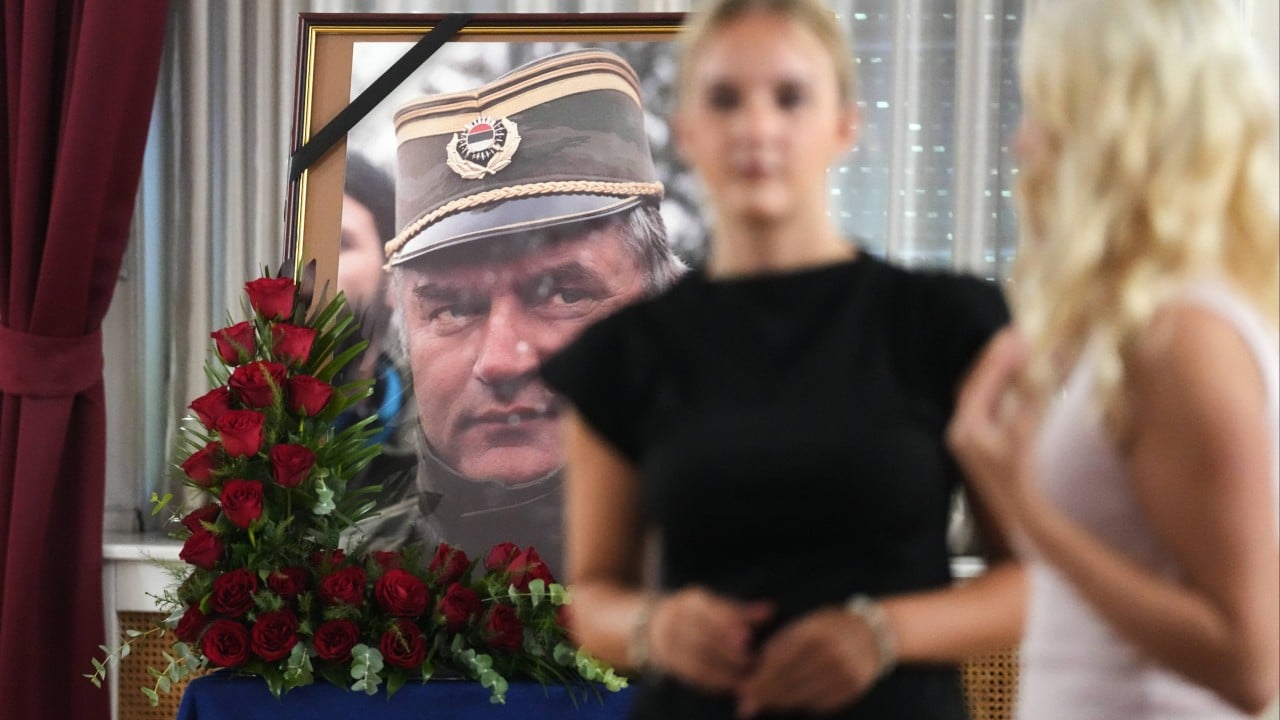
The death of a convicted war criminal should mark the final chapter of accountability, but in the Balkans, it often triggers a resurgence of dangerous historical revisionism. When Ratko Mladic, the former Bosnian Serb military commander known internationally as the Butcher of Bosnia, died while serving a life sentence for genocide and crimes against humanity, regional politics did not pivot toward closure. Instead, the return of his remains to Belgrade and the subsequent commemorations laid bare an enduring institutional strategy: the systematic cultivation of nationalist martyrdom.
To understand why thousands continue to mourn a man condemned for orchestrating the Srebrenica massacre and the deadly siege of Sarajevo, one must look beyond simple grief or spontaneous public emotion. This phenomenon is an engineered political construct. For decades, ruling elites in Serbia and the Serb-run entity of Bosnia, Republika Srpska, have utilized the mythos of wartime commanders to consolidate power. By framing international war crimes tribunals as anti-Serb kangaroo courts, state-aligned media and populist politicians have transformed convicted architects of ethnic cleansing into misunderstood defenders of the nation.
The mechanics of this myth-making are visible in the choreography surrounding recent memorials. When a state transport plane repatriates a criminal's coffin draped in the national flag, accompanied by active government ministers, the line between private mourning and official state endorsement evaporates. This calculated ambiguity allows leadership to appease domestic nationalist constituencies while offering hollow assurances to international monitors. Brussels responds with frozen diplomatic visits and stern rebukes over stalled European Union integration, yet these diplomatic slaps on the wrist carry little weight against the domestic utility of perpetual grievance.
Memory politics in the former Yugoslavia operate on a dangerous loop. Every public glorification event, every mural protected by riot police, and every official eulogy serves a dual purpose. It distracts an exhausted populace from systemic economic stagnation and democratic backsliding while hardening ethnic fault lines that have persisted for over thirty years. As long as political survival remains tethered to the ghosts of the 1990s wars, true reconciliation will remain impossible. The coffin has been lowered into the earth, but the machinery that built the legend of Ratko Mladic is running faster than ever.