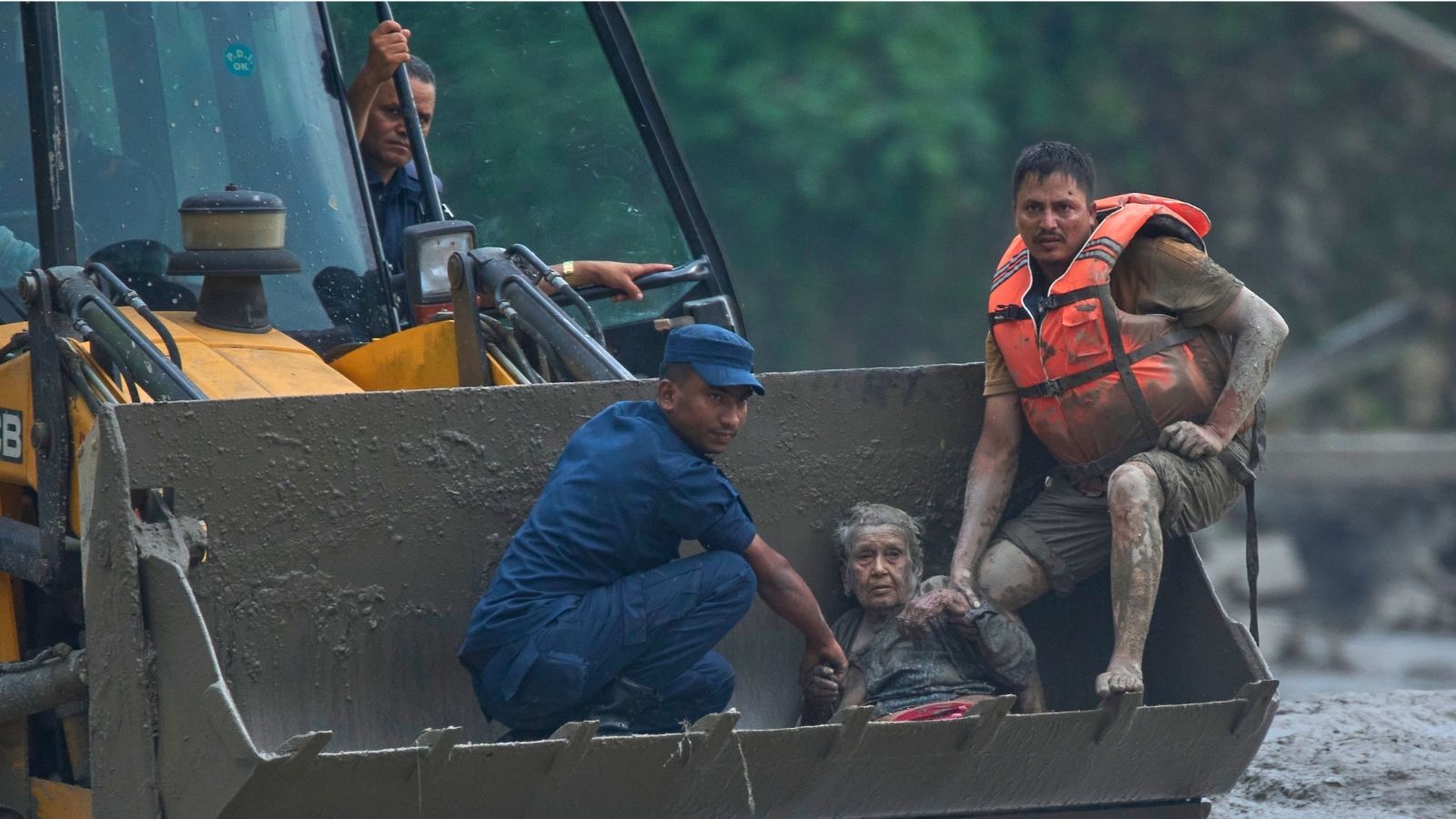
Thick, dark brown mud cakes the clothing of survivors pulled from the wreckage in the Himalayas. Military helicopters roar over the valleys of Nuwakot and Rasuwa, carrying boxes of instant noodles, rice, and terrified families who lost everything overnight.
Rescue operations along the rugged Nepal-China border have officially ground through their fourth brutal day. The combined death toll across Nepal and Tibet has surged past 630 people, while nearly 3,000 individuals remain unaccounted for. This disaster isn't just a local weather event. It's a massive humanitarian emergency spanning international boundaries, threatening foreign workers, trekkers, and remote mountain communities.
If you're tracking the real scope of this catastrophe, official statistics only scratch the surface. Let's break down what is actually happening on the ground, why rescue work is moving at a snail's pace, and what authorities are facing next.
The Grimmer Reality Behind the Rising Numbers
The numbers keep climbing every single hour. Nepal's disaster management agency reports that the national death toll alone has hit 626, with 2,426 people still missing within the country. Across the border in China's Tibet Autonomous Region, local authorities confirm at least seven deaths and over 550 missing persons, particularly around the hard-hit Gyirong County.
Hundreds of those missing are foreign nationals. Workers from India, South Korea, the United States, and European nations who were deployed at major infrastructure hubs or traveling through the region lost contact when the flash floods hit. At hospital help desks in Kathmandu, desperate relatives tape up photographs and phone numbers, turning concrete walls into sprawling mosaics of grief and hope.
Why did this happen so fast? Scientists point to a catastrophic glacial collapse high in the mountains. The sudden discharge of water sent a wall of debris tearing down river valleys, instantly wiping out roads, bridges, and construction sites.
The Nightmare Inside the Hydropower Tunnels
Some of the most intense rescue efforts are concentrated at the Upper Trishuli-1 Hydropower Project in Rasuwa district. More than 100 workers have been trapped inside a massive construction tunnel choked with four to five feet of heavy mud.
Soldiers and specialized engineers are working around the clock. Finding the entry and exit points is an absolute nightmare because the landscape has been completely reshaped by mudslides. Rescuers use ropes and makeshift baskets to pull survivors out, but unstable terrain and secondary threats keep forcing them to pause.
It's dangerous work. Crews had to evacuate temporarily after warnings that a newly formed glacial lake upstream near the border was overflowing. Although Chinese monitoring data shows that the water level in that threat lake has dropped by about 10 meters, the risk of fresh flash floods remains high.
International Aid and the Road to Recovery
Neighboring countries and global bodies are stepping up. India has flown in multiple rounds of humanitarian aid, including medical personnel to assist with emergency triage. Agencies like the International Federation of Red Cross and Red Crescent Societies are mobilizing emergency appeals to handle the tens of thousands of displaced people.
Yet, money and supplies are only half the battle. Heavy rain and poor cloud cover continue to disrupt chopper flights, cutting off isolated pockets where villages used to stand. Relief teams are relying on foot patrols, drones, and canine units to scour the debris fields.
If you want to support recovery efforts or track verified updates, rely directly on agencies like the Nepal Disaster Risk Reduction and Management Authority (NDRRMA) or international Red Cross operations. Avoid unverified social media lists, as missing person databases are shifting rapidly by the minute.