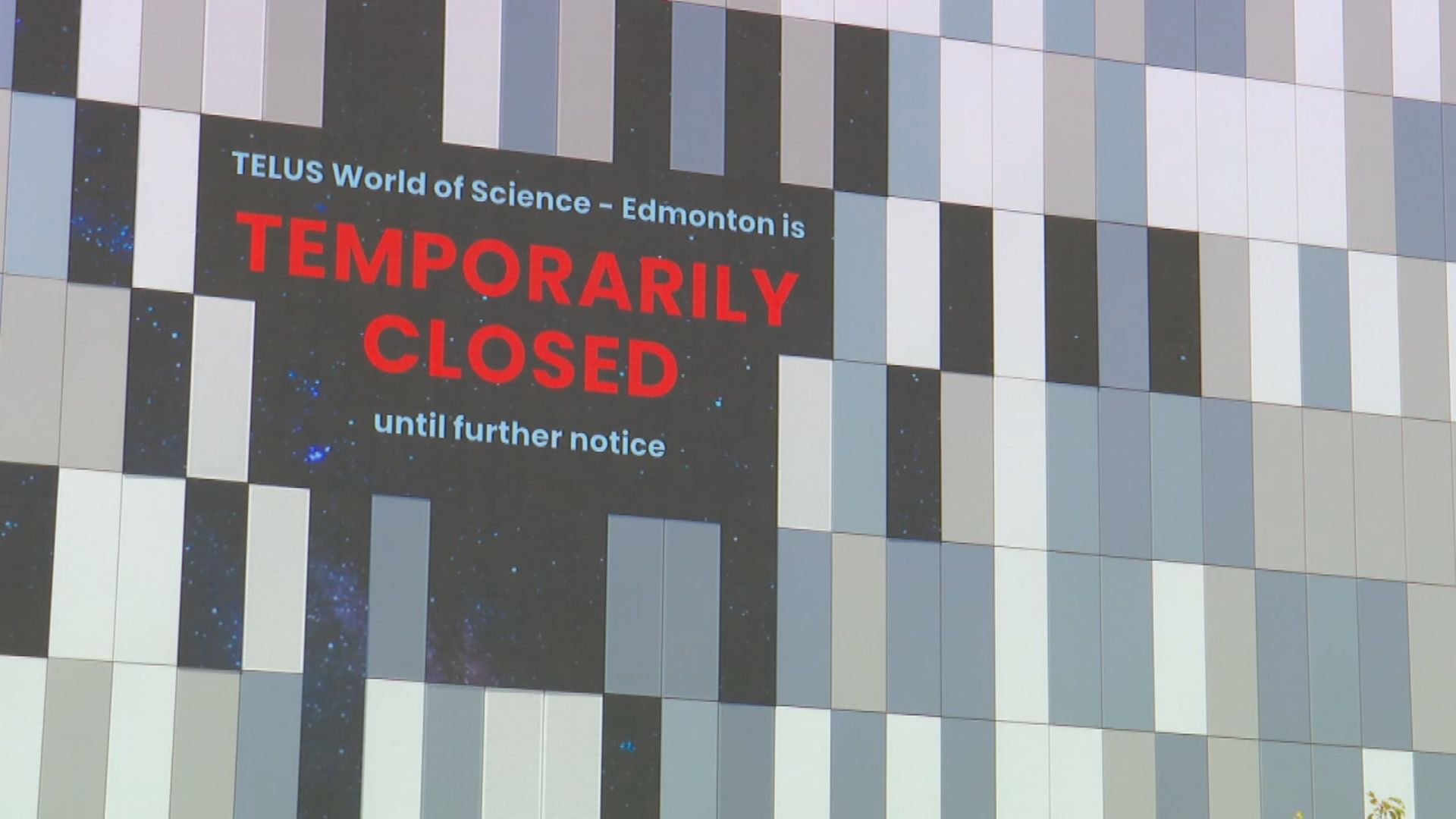
Edmonton’s prominent science center will remain completely dark until November after a sudden infrastructure failure forced the immediate layoff of 147 workers. The Telus World of Science Edmonton suffered severe flash flooding that contaminated the entire main floor with toxic black water, exposing the critical financial vulnerability of regional cultural institutions. When torrential rain overwhelmed the city's aging stormwater systems, the facility's interior turned into a biohazard site in less than thirty minutes. The sudden operational shutdown eliminated the revenue stream that keeps the facility alive. Management responded by cutting 68 percent of its workforce.
This disaster is not just a weather story. It reveals a deeper truth about municipal underinvestment, fragile nonprofit balance sheets, and the systemic risks facing community infrastructure under modern weather patterns.
A Black Water Catastrophe
The deluge struck fast. On Friday evening, a violent thunderstorm system stalled directly over northwest Edmonton, dropping a historic volume of rain that the municipal drainage network could not absorb.
Within minutes, the building faced an internal assault. Water did not simply breach the doors; it erupted from within. Reverse pressure in the municipal sewer lines forced highly contaminated fluid up through basement drains, bathroom toilets, sinks, and public drinking fountains. The entire main floor, spanning thousands of square feet of educational exhibits, corporate galleries, and common spaces, was submerged under several inches of filth.
Restoration teams immediately classified the event as Category 3 water contamination. That means raw sewage. The fluid carried a volatile mix of disease-causing bacteria, toxic chemicals, and biological hazards that immediately soaked into the drywall, custom cabinetry, and specialized flooring.
Drywall cannot be salvaged after absorbing sewage. Every square inch of affected building material must be cut out, hauled away by specialized crews in full protective gear, and completely replaced. The structural remediation process is painstaking. Air quality must be scrubbed, elevator shafts must be thoroughly decontaminated, and complex interactive exhibits must be disassembled to check for hidden mold growth.
The timeline reflects the severity of the damage. A tentative four-month closure means the facility will lose its peak summer traffic and early autumn school bookings, representing a catastrophic blow to its operational calendar.
The Fragile Math of Nonprofit Survival
Cultural facilities operate on razor-thin margins. While the public views large science centers as permanent fixtures backed by corporate sponsorships, the daily reality is far more transactional.
Ticket sales dictate survival. The Telus World of Science Edmonton operates as a registered charity, relying on general admission fees, summer camp registrations, IMAX theater tickets, and special event bookings to cover 80 percent of its total operating budget. Corporate naming rights and baseline government grants provide a steady foundation, but they do not pay the daily utility bills or payroll for hundreds of specialized workers.
The revenue stopped instantly. When the facility closed its doors on Friday night, the cash flow dried up while the fixed remediation costs mounted. Nonprofits rarely hold the massive capital reserves required to sustain full operations during a prolonged multi-month closure.
The decision to execute mass layoffs was direct mathematical necessity. Without the thousands of daily visitors who purchase memberships and browse the gift shop, retaining a full staff would have pushed the organization into insolvency within weeks. The facility coordinate with Civic Service Union 52 to establish a framework for these temporary layoffs, but a bureaucratic process does nothing to ease the immediate economic shock felt by the affected workers.
Municipal Drainage Failures Under Climate Strain
The crisis at the science center cannot be viewed in isolation. Just down the road, the Peter Hemingway Aquatic Centre suffered similar structural flooding, and major arterial routes like Yellowhead Trail became impassable pools of stranded vehicles.
Municipal infrastructure is failing to keep pace. The storm sewers beneath Edmonton’s northwest quadrant were engineered for an era that no longer exists. Modern urban expansion has covered hectares of previously absorbent soil with asphalt, concrete, and strip malls, forcing millions of liters of surface runoff directly into underground pipes during heavy storms.
When a storm line fills to maximum capacity, the water must go somewhere. If it cannot flow forward into the river valley drainage points, the immense hydraulic head pushes the water backward into the lowest connected basements and service connections. The science center sat directly in the crosshairs of this hydraulic backup.
Fixing this problem requires systemic urban redesign. Cities must invest billions into massive underground retention tanks, separated storm-and-sanitary lines, and green infrastructure that slows down surface runoff before it reaches the pipe network. Until those long-term investments materialize, aging public facilities remain highly vulnerable to sudden, localized weather anomalies.
The Human Cost Behind the Percentages
Statistically, a 68 percent reduction in force sounds like a standard corporate restructuring metric. In reality, it represents 147 real individuals who lost their primary source of income overnight.
These workers are not corporate executives. They are the frontline educators who run chemistry demonstrations, the technical staff who operate complex planetarium projectors, the guest services agents who manage chaotic school field trips, and the cleaning staff who keep the massive facility running safely. They work in public education because they care about community literacy and scientific engagement, roles that rarely command massive financial premiums.
Employment Insurance provides a temporary financial cushion. It does not replace a full salary in an inflationary economy where rent, food, and energy costs continue to rise.
The long-term risk to the institution is severe talent loss. A four-month temporary layoff means many of these specialized workers will be forced to secure alternative employment to survive the autumn. When the science center finally prepares to reopen its doors late this year, it may find that its most experienced educators and technicians have moved on to stable roles elsewhere, forcing a costly and prolonged hiring and retraining process that will further strain the organization’s recovery. The physical building will eventually dry out, but rebuilding the human institutional knowledge will take much longer.