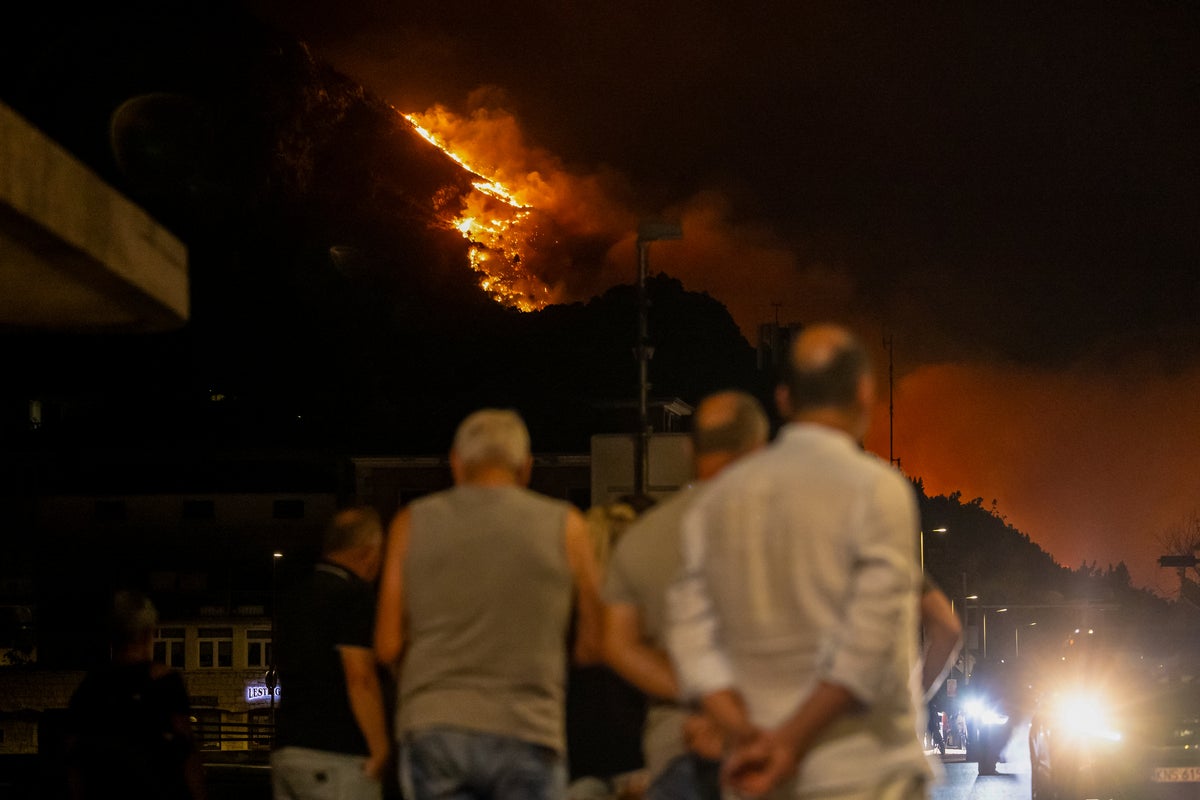
Europe is baking under a relentless meteorological siege that is rewriting historical climate boundaries. As persistent high-pressure domes lock hot air over the continent, temperature spikes above 40 degrees Celsius are no longer isolated anomalies. They are systemic shockwaves exposing the deep vulnerabilities of continental infrastructure. Standard mainstream coverage tracks the immediate human toll and melting asphalt, but it glosses over the structural mechanics threatening long-term stability. The true crisis lies hidden inside the high-voltage transmission lines, cooling intake pipes, and shifting electricity load curves that dictate modern survival.
When atmospheric mercury climbs, power demand surges in lockstep. Millions of residential and commercial air conditioning units roar to life, pushing peak consumption figures up by a quarter compared to seasonal averages. Yet the architecture of the European power grid was originally engineered for a temperate climate that no longer exists. Transmission assets face immediate physical penalties under thermal loads. Power lines sag as metal conductors expand under intense heat, forcing grid operators to artificially throttle electricity flows to prevent catastrophic short circuits. Underground transformers, trapped in subterranean concrete vaults with inadequate ventilation, cook in their own operational heat.
The structural stress extends directly into thermal and nuclear generation assets. Nuclear reactors rely on massive volumes of ambient river water to cool internal systems before discharging it back into local waterways. During prolonged heatwaves, rivers like the Rhône and the Garonne run dangerously warm. Environmental regulations strictly limit the thermal output permitted back into natural ecosystems to prevent massive fish kills and ecological collapse. When river temperatures breach those strict thresholds, power plant operators face an impossible choice. They must drastically curtail output or shut down reactors entirely, removing gigawatts of reliable baseload power from the grid precisely when demand reaches its absolute zenith.
This dynamic creates a profound paradox within modern electricity markets. Paradoxically, the middle of a scorching afternoon often sees abundant renewable generation, particularly from soaring solar output. On peak heatwave days, photovoltaic farms flood the market with cheap power, driving wholesale electricity prices down—sometimes even into negative territory. Energy traders watch daytime prices plummet while grid operators celebrate the clean generation keeping systems afloat.
The illusion of stability shatters the moment the sun begins to set.
As daylight fades, a phenomenon known in the energy sector as the solar cliff takes effect. Photovoltaic generation drops off a precipice exactly as exhausted citizens return home to blast air conditioning units and run appliances. This creates a sharp, unforgiving evening demand peak that requires immediate, flexible backup generation. With nuclear plants constrained by warm river water and traditional fossil fuel assets facing high operational costs or maintenance fatigue, transmission system operators are forced into expensive balancing acts. Ancillary service markets—the hidden financial engines that keep frequency stable and prevent blackouts—clear at double or triple standard summer rates.
Fixing this structural mismatch requires moving past political rhetoric and confronting engineering realities. Utility companies are racing to deploy utility-scale battery storage systems, yet the vast majority of current installations are engineered for short-duration discharges lasting only one to two hours. That duration is entirely insufficient to bridge a four-to-five-hour evening demand canyon. Bridging that gap demands massive capital expenditure in long-duration storage technologies, compressed air systems, and pumped hydro capacity.
Simultaneously, demand-side flexibility remains woefully underutilized across most member states. Industrial manufacturers and commercial consumers still operate on rigid schedules rather than dynamic pricing models that incentivize shifting heavy energy consumption away from evening peak windows. Without aggressive regulatory reform to mandate smart-grid integration and real-time consumer pricing incentives, Europe will continue treating chronic climate stress with temporary fixes.
The heat will return next year with greater intensity, and the margins for error are narrowing fast.
The Burning Truth About Europe's Energy Grid
This video explores how extreme heatwaves and rising temperatures impact critical infrastructure and power systems across Europe.
http://googleusercontent.com/youtube_content/1