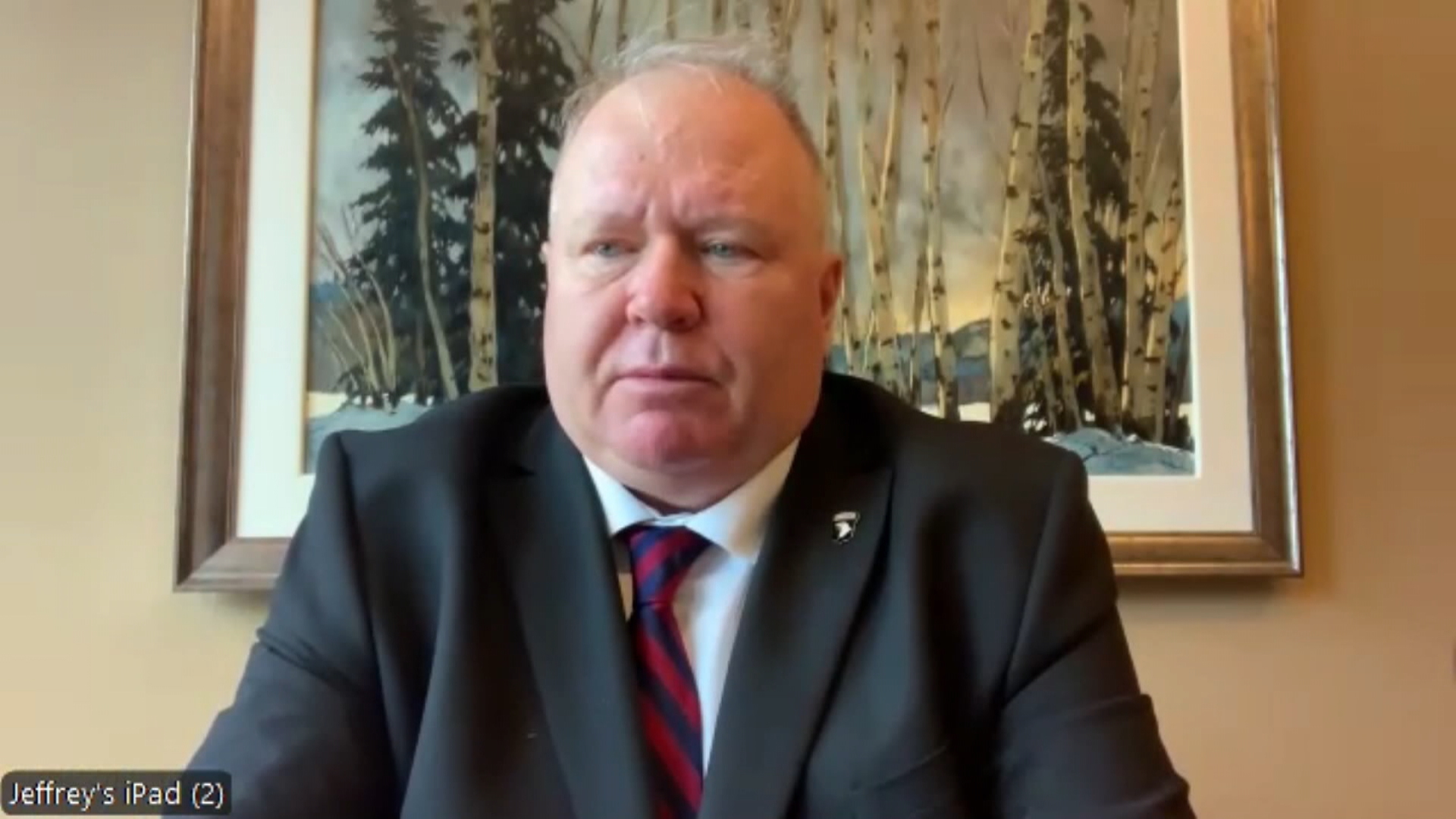
Millions of dollars meant for community housing, clean water, and youth education are vanishing into a black hole of legal fees and administrative maneuvers. At the center of this gathering storm is Jeffrey Rath, a prominent Calgary-based lawyer whose dealings with First Nation trust funds have triggered intense scrutiny, regulatory investigations, and a series of bitter courtroom battles. The growing controversy surrounding his practice exposes a much deeper, systemic crisis in how Indigenous trust funds are managed, monitored, and protected across Canada.
For decades, Indigenous communities have fought grueling legal battles to secure compensation for historical grievances, land claims, and resource exploitation. Yet, when these victories are finally won, the resulting financial settlements are often placed into complex trust structures that remain highly vulnerable to exploitation by outside professionals. The ongoing battles over Rath’s financial dealings with communities like the Beaver Lake Cree Nation demonstrate that winning a settlement is only half the battle. Protecting that settlement from the very advisors hired to defend it is the true, untold challenge.
The Mechanics of Vulnerability
To understand how millions of dollars can slip away from community control, one must understand how First Nation trusts are structured. Most trusts are established following major land claims or treaty settlements. These funds are legally earmarked for the long-term benefit of the band membership, serving as a financial cushion for generations to come.
Trust agreements usually dictate that a board of trustees, often made up of band members and independent financial professionals, must approve any major withdrawals. However, the legal and financial structures governing these trusts are incredibly complex. Band councils, frequently operating under immense political pressure and lacking specialized financial training, are forced to rely heavily on external lawyers and consultants.
This reliance creates a severe asymmetry of power.
When a single legal firm controls the flow of information, drafts the trust agreements, and simultaneously bills the trust for its services, the traditional system of checks and balances breaks down. Lawyers can structure fee agreements that prioritize their own compensation over the financial health of the community. In some instances, complex litigation funding agreements allow law firms to take an outright percentage of the trust's capital, bypassing standard oversight protocols.
The Rath Investigation and the Pattern of Behavior
The Law Society of Alberta has actively investigated Jeffrey Rath following allegations regarding the handling of First Nation trust monies and billing practices. This is not a case of a single administrative oversight. Instead, court documents and regulatory filings paint a picture of what critics call a persistent pattern of behavior designed to maximize legal fees at the expense of community assets.
At the heart of the dispute are allegations of unauthorized withdrawals and exorbitant billing. In his work representing the Beaver Lake Cree Nation, Rath’s firm billed millions of dollars for legal services related to long-standing treaty rights litigation. While the litigation itself was historically significant, the cost to the community became staggering. Band members began asking hard questions when they realized a significant portion of their trust capital was being eroded by legal invoices rather than being spent on community infrastructure.
The legal defense mounted by Rath has consistently maintained that all fees were contractually agreed upon and that his work yielded substantial benefits for his clients. He has argued that complex litigation requires immense resources and that high billing rates are standard for specialized constitutional work.
Yet, the sheer scale of the fees has forced regulatory bodies to step in. The Law Society’s interest in these accounts highlights a fundamental question. Who watches the watchmen when the watchmen are the ones writing the bills?
The Failure of Federal and Regulatory Oversight
The federal government, through Indigenous Services Canada, has historically taken a hands-off approach to trusts that are established outside the direct confines of the Indian Act. Once a First Nation signs a trust agreement and moves its money into private financial institutions, federal oversight largely evaporates. Ottawa views these trusts as sovereign corporate entities, leaving individual bands to police their own financial advisors.
This regulatory vacuum leaves communities with only two real options when things go wrong. They can file a complaint with provincial law societies, or they can launch expensive, multi-year civil lawsuits.
Both options are deeply flawed.
Provincial law societies are self-regulating professional bodies. Their disciplinary processes are notoriously slow, often taking years to resolve complex financial complaints. During those years, the disputed funds remain tied up, or worse, continue to be depleted. Civil litigation is even more problematic. To sue a lawyer for overbilling, a First Nation must hire another lawyer, spending even more community money in the hope of recovering what was lost. It is a cycle that drains band coffers while enriching the legal profession.
Furthermore, traditional corporate trustees, such as major Canadian banks and trust companies, often avoid taking a hard stand against powerful lawyers. These institutions are hired to administer the trust according to the written agreement. If a lawyer presents an invoice that appears to have the sign-off of a compliant or poorly informed band council, the trustee will generally pay it without conducting a forensic audit. The system is built on trust, but in this environment, blind trust is a liability.
The Illusion of Community Consent
Defenders of high legal fees often point to signed retainer agreements and band council resolutions as proof of legitimacy. If the elected chief and council signed the contract, the argument goes, then the transaction is entirely above board.
This argument ignores the intense political pressure and power dynamics at play within many First Nation administrations. Band councils are elected on short cycles, often every two years. They face immediate demands to deliver housing, healthcare, and economic development. A charismatic legal advisor who promises a massive multi-million-dollar settlement can easily convince a council to sign agreements that are unfavorable in the long run.
In many cases, the full details of these legal fees are never shared with the broader band membership. Financial statements may show a lump sum spent on professional services, but the granular details of hourly rates, disbursements, and success fees remain hidden behind solicitor-client privilege. This lack of transparency prevents community members from holding their own leadership, and their external advisors, accountable.
When community members do attempt to investigate, they are often met with legal threats. Whistleblowers within bands have faced defamation suits and political retaliation for questioning the financial arrangements between their leadership and external legal counsel. The result is a culture of silence that allows questionable financial practices to persist unchallenged.
Redesigning the Trust Framework
Protecting First Nation wealth requires a fundamental shift in how these financial instruments are designed and governed. The current model, which relies on the goodwill of external professionals and the limited oversight of provincial law societies, is failing.
First Nations must begin implementing independent financial oversight bodies that operate entirely separate from the band council and their active legal counsel. These oversight boards, made up of elder representatives, youth delegates, and independent, non-conflicted financial experts, should have the sole authority to approve legal bills exceeding a certain threshold.
[Traditional Vulnerable Model]
Band Council <---> External Lawyer (Controls Information & Bills Directly)
       |
 Trust Funds (Paid out without independent audit)

[Proposed Secure Model]
Band Council <---> External Lawyer
       |                  |
       v                  v
Independent Oversight Board (Conducts independent audits of all legal bills)
       |
 Trust Funds (Only released upon board approval)
Additionally, retainer agreements for major litigation must be subjected to independent, third-party reviews before they are signed. This ensures that a community is not committing to predatory fee structures or giving up an unreasonable percentage of their future settlement.
Legal organizations and provincial law societies must also create specialized divisions to monitor the billing practices of firms working with Indigenous clients. The relationship between Canada's legal profession and Indigenous peoples has a long, troubled history. Ensuring financial integrity in modern legal representation is the next major frontier in correcting that historical imbalance. Until these structural changes are made, the wealth designed to secure the future of Indigenous children will continue to flow into the pockets of the lawyers hired to fight for them.