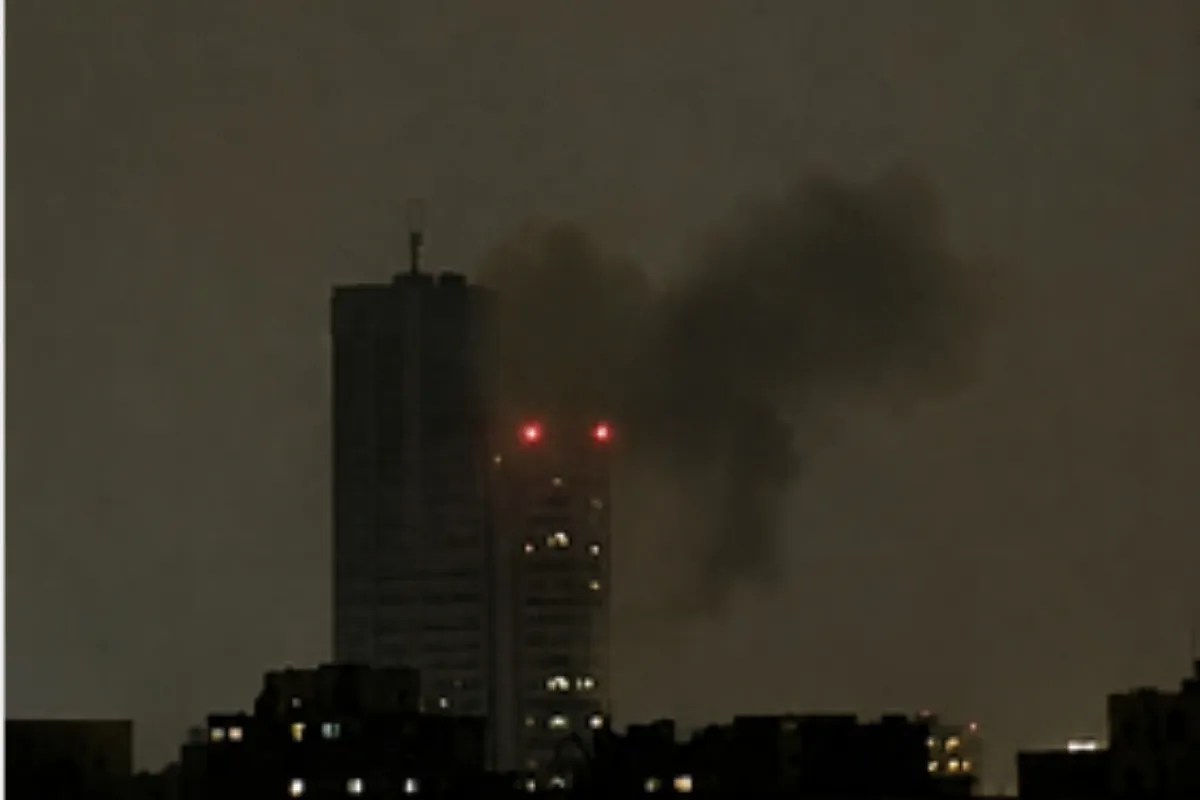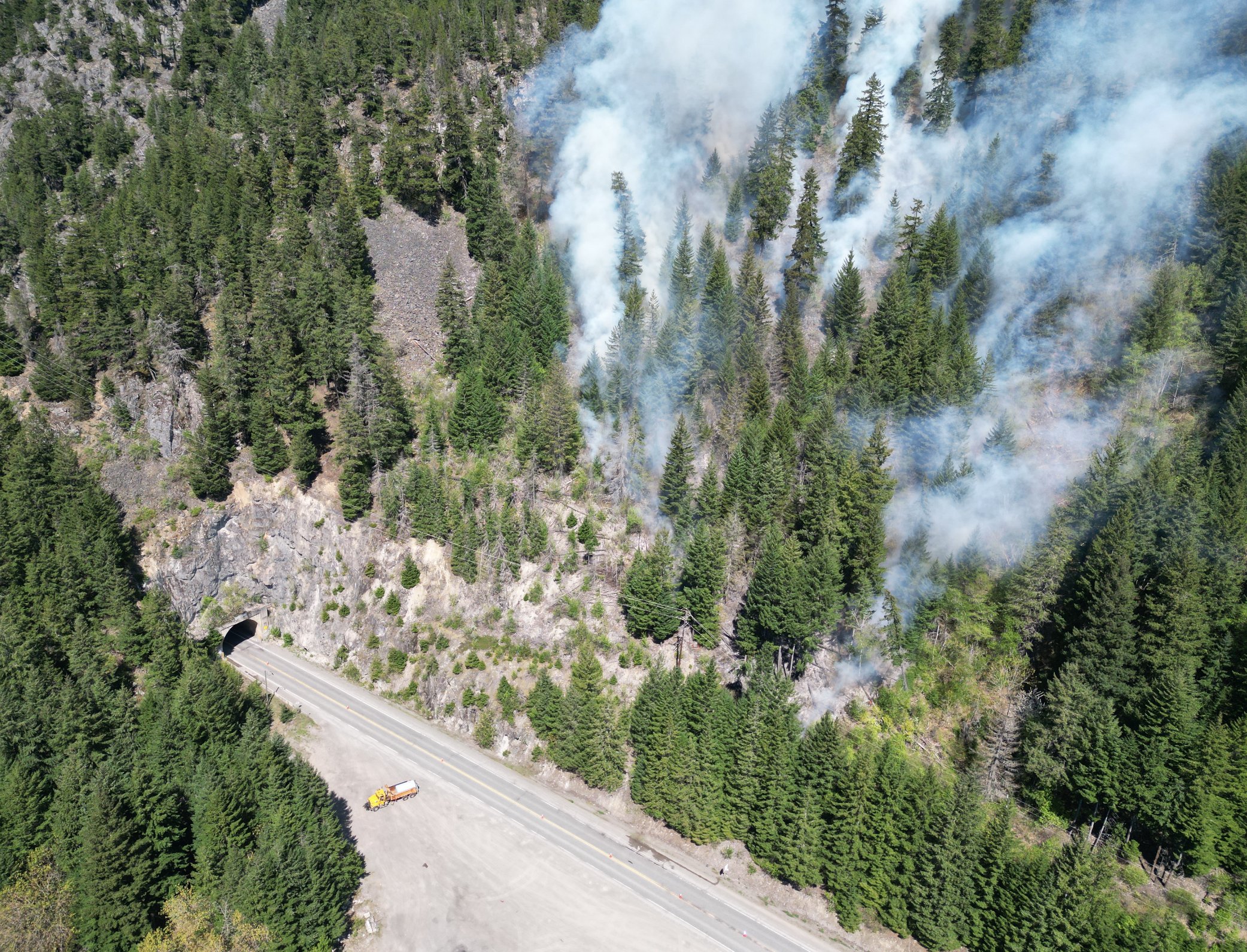
An urgent evacuation order issued by the Fraser Valley Regional District and the Boston Bar First Nation forced every remaining resident in Boston Bar, British Columbia to flee immediately northbound along Highway 1. A spot fire designated as V11090 broke out south of the township and exploded from 300 to 1,000 hectares in under five hours. High winds racing through the narrow granite walls of the Fraser Canyon transformed a localized ignition from the ongoing Brunswick Creek wildfire complex into a wall of flame. The rapid blowup blocked Highway 1, severed local supply routes, and sent embers airborne across terrain that wildland firefighters cannot safely reach on foot.
The immediate hazard in Boston Bar is undeniable. Yet the deeper systemic failure lies in how British Columbia repeatedly finds itself caught in the same canyon-driven fire traps year after year.
The Canyon Wind Tunnel Effect
Steep river valleys create their own weather. When ambient temperatures soar, dry air drawn through narrow mountain corridors acts like a blast furnace, driving embers miles ahead of the main fire front.
The Brunswick Creek wildfire complex had been creeping through dense timber since early July. Suppression crews made steady progress on established containment lines along the lower slopes. However, when wind speeds spiked along the Fraser River, an airborne ember jumped established containment lines and ignited unburned brush on the east side of the river near Scuzzy Creek. Within hours, spot fires coalesced into an out-of-control burn heading straight toward residential structures, Hell's Gate, and regional transit corridors.
Aerial drops of water and fire retardant offer limited relief when gale-force canyon winds blow retardant off target before it hits the canopy. Ground crews cannot construct hand lines quickly enough in mountain terrain sloping at 45 degrees. The canyon transforms fire management from an active tactical operation into a reactive emergency defense.
Why Residents Refuse to Evacuate
Evacuation orders are clear on paper. Convincing human beings to abandon their homes in remote communities is far more complicated.
When provincial alerts flashed across mobile devices on July 21, a noticeable portion of the population remained in place. Some residents had stayed behind since the initial alerts issued earlier in the month. This refusal to leave is rarely driven by ignorance. It stems from a mix of evacuation fatigue, mistrust of government support systems, and the urgent necessity to protect livestock and personal property.
Boston Bar Wildfire Escalation Timeline (July 21, 2026)
-------------------------------------------------------------------------------
17:00 PT | Fraser Valley Regional District issues initial evacuation notice.
18:36 PT | BC Emergency Alert triggers forced evacuation for Boston Bar & First Nation.
18:45 PT | Spot fire V11090 measured at 300 hectares; Highway 1 closed.
22:00 PT | Fire swells to 1,000 hectares; evacuees routed north to Kamloops.
-------------------------------------------------------------------------------
In rural towns across Western Canada, evacuation often means facing weeks of economic hardship. Emergency Support Services provide basic accommodations, but small-scale agricultural operators, independent tradespeople, and ranchers risk losing their livelihoods if livestock is abandoned or machinery burns. For these individuals, staying behind with portable water pumps and garden hoses feels like a calculated risk compared to guaranteed financial ruin.
This dynamic creates a dangerous standoff for local authorities. Emergency responders are forced to risk their own lives executing last-minute rescues when shifting winds trap holdout residents against impassable road closures.
The Logistics Trap along Highway 1
Transportation channels through the Fraser Canyon are remarkably fragile. A single major incident can isolate entire corridors of the province.
Highway 1 serves as an economic artery connecting the Lower Mainland with the B.C. interior. When flames encroached on the roadway between Jackass Mountain Summit and Yale, officials had no choice but to shut down the highway in both directions. Detours forced commercial freight and evacuees onto Highway 5, creating immediate traffic bottlenecks and delaying emergency service vehicles.
Key Takeaway: Rural emergency routes in steep terrain lack redundancy. When a primary canyon highway closes, evacuation routes increase in length by hundreds of kilometers, pushing fuel supplies and vehicle endurance to the absolute limit.
For evacuees fleeing Boston Bar, North Bend, and Canyon Alpine, the designated reception center in Kamloops required a multi-hour drive northbound. Those without access to personal transportation or sufficient fuel found themselves reliant on overburdened regional emergency networks.
Flaws in Provincial Fire Risk Mitigation
Wildfire policy in Western Canada remains focused on suppression rather than proactive risk reduction. Millions of dollars flow into air tankers, heavy machinery, and emergency management centers once a fire threatens property. Yet pre-season mitigation efforts across high-risk canyon communities remain severely underfunded.
- Fuel build-up: Decades of aggressive fire suppression have allowed dead wood and dense underbrush to accumulate unchecked in steep canyon forests.
- Selective clearing: Community interface zones around towns like Boston Bar lack wide, maintained fuel breaks that could slow down fast-moving surface blazes.
- Infrastructure vulnerability: Essential communications towers and power lines running through the canyon lack sufficient defensive buffer zones, risking total blackouts during active blazes.
Emergency responders in Boston Bar are working tirelessly under grueling conditions. However, heroic firefighting efforts cannot substitute for structural forestry reforms that address the massive volume of dry timber lining B.C.'s mountain corridors.
The immediate threat to Boston Bar will eventually pass as weather shifts and suppression efforts take hold. But until policy shifts away from seasonal panic and toward aggressive fuel reduction and infrastructure resilience, the Fraser Canyon will remain a recurring trap for the communities built within it.
Official updates on Boston Bar evacuations
This video provides official local coverage and updates directly regarding the sudden evacuation order issued for residents in Boston Bar.