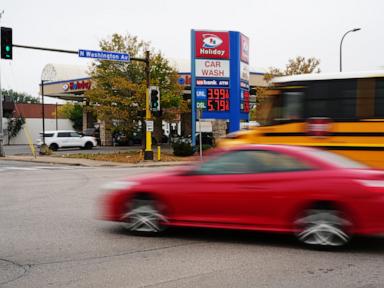
American motorists pulled into gas stations over the Labor Day weekend to face a brutal reality check. Regular gasoline hovered at a national average of $4.14 a gallon, smashing prior holiday records and draining wallets already stretched thin by persistent inflation. Behind this painful pump price lies a collision of prolonged military conflict in the Middle East, hyper-extended domestic refining capacity, and a global distillate squeeze that conventional economic reporting consistently misdiagnoses.
The popular narrative blames the crisis entirely on the ongoing conflict with Iran that flared in February. That explanation is convenient, but it is incomplete. While crude oil moving through the critical Strait of Hormuz has slowed to a trickle due to security threats and tanker disruptions, the structural rot runs much deeper into the machinery of global energy production. Refineries are not just victims of expensive crude. They are choking on their own operational limits while navigating a geopolitical chessboard defined by simultaneous supply shocks across multiple continents.
Domestic refineries are currently operating at a punishing 98 percent capacity. Running heavy industrial machinery at maximum output during an unusually punishing heatwave across the Texas Gulf Coast creates a razor-thin margin for error. Mechanical fatigue sets in. Unscheduled maintenance spikes. When a single catalytic cracker goes down unexpectedly under thermal stress, the regional supply chain buckles instantly.
Compounding the domestic strain, the global marketplace is experiencing a severe deficit in middle distillates. Diesel prices reached an unprecedented national average of $5.85 a gallon, exerting brutal pressure on the freight, logistics, and agricultural networks that power the broader economy. Every single box delivered to a doorstep and every head of lettuce hauled to a supermarket shelf now carries the heavy surcharge of this fuel premium.
International disruptions have closed off traditional safety valves. Ukrainian drone strikes targeting Russian refining infrastructure have significantly reduced export volumes from Moscow, tightening European and global balance sheets. Simultaneously, Chinese refiners report declining output yields, leaving Western importing nations with fewer alternative sources to offset domestic shortfalls. Gasoline and diesel inventories have plummeted well below five-year seasonal averages, leaving the market entirely defenseless against unexpected weather events or regional outages.
Government officials point to petroleum futures markets as a sign of impending relief, noting that contracts for delivery later in the autumn trade at a discount compared to spot prices. Traders anticipate the usual seasonal demand drop as summer driving fades and facilities transition to cheaper winter-blend formulations. Yet this financial optimism ignores physical vulnerabilities. Low baseline inventories mean that any localized hurricane strike or prolonged refinery malfunction during the upcoming autumn maintenance window could easily short-circuit those anticipated price drops.
Consumers absorb the final shock of these macroeconomic forces at the pump without meaningful recourse. Regional pricing anomalies mean that drivers filling up directly off major interstate corridors pay steep markups compared to stations located a few miles inland. Navigating this environment requires ruthless efficiency, but micro-savings on a mobile app do nothing to alter the macro-level trajectory of an energy market stretched to its absolute breaking point.