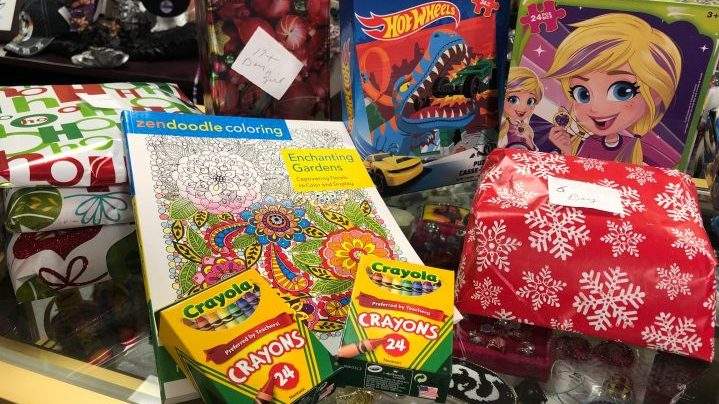
Every November, the Generations Foundation launches its annual holiday food and toy drive, setting up collection bins across local community centers, participating retail partners, and corporate lobbies to gather non-perishable goods and unwrapped gifts for low-income families. If you are looking to drop off items this season, the most effective contributions are high-protein shelf-stable foods, infant formula, and unwrapped toys or gift cards for children aged ten to fourteen, delivered directly to designated municipal drop-off hubs or the organization's main distribution warehouse before the mid-December sorting deadline.
Local outlets routinely treat these annual charity drives like simple press releases. They print a list of drop-off addresses, slap a heartwarming headline on the page, and call it journalism. That approach does a massive disservice to both the donors writing checks and the families relying on those boxes to get through winter. When you look closely at how community relief logistics actually operate on the ground, a troubling gap emerges between what well-meaning neighbors toss into a cardboard bin and what a household facing acute financial strain actually needs.
The Anatomy of a Holiday Drive
Most people assume charitable distribution is a straight line. You buy a can of soup or a plastic action figure, drop it in a bin, and a volunteer hands it to a grateful family two days later.
The reality is an exhausting, labor-intensive supply chain. Volunteers have to haul thousands of pounds of unsorted goods to a central warehouse. They have to check expiration dates on every single tin of beans. They have to separate leaking bottles of detergent from boxed pasta. They have to sort toys by age group, gender neutrality, and safety standards, all while working against a hard calendar deadline before schools close for winter break.
The Hidden Cost of "Cleaning Out the Pantry"
When a community drive kicks off, roughly twenty to thirty percent of the food collected ends up being unusable. People treat donation bins like a guilt-free way to purge their cupboards. Out-of-date spices, dented cans with compromised seals, half-opened bags of flour, and obscure specialty ingredients that require five other expensive items just to make a meal routinely clog up sorting tables.
Volunteers spend hours tossing this garbage into dumpsters. Worse yet, the charity often has to pay commercial waste disposal fees to get rid of food it never asked for in the first place.
The Toy Age Gap
Toy drives suffer from an equally predictable blind spot. Donors love shopping for toddlers and young children. Bins overflow with plush teddy bears, plastic building blocks, and picture books aimed at kids under the age of seven.
Meanwhile, older children get left behind. A twelve-year-old or a fourteen-year-old living in a low-income household does not want a stuffed animal, and they are painfully aware when they are the only sibling without a real gift to open. Charities consistently report severe shortages for the pre-teen and early-teen demographics every single year.
Where to Donate and How to Maximize Impact
If you want your contribution to the Generations Foundation drive to actually reach a kitchen table or a child's hands without creating logistical friction, you have to change how you shop and where you drop off.
- Municipal and Community Hubs: Local libraries, recreation centers, and city hall lobbies host official collection boxes throughout November and early December. These locations are serviced regularly by foundation runners, meaning your items will not sit unmonitored in a drafty entryway for weeks.
- Participating Retail Partners: Grocery stores and major pharmacies often place branded bins right past the checkout lanes. Buying items on-site saves you a trip, though you should always check the store's specific pickup schedule so your perishable-adjacent goods do not linger after the final December sweep.
- Direct Warehouse Drop-Offs: For bulk donations, corporate drives, or high-value items like winter coats and electronics for teens, bypassing the satellite bins entirely and delivering straight to the foundation's primary staging warehouse cuts out an entire layer of transport labor.
- Digital Giving Portals: Cash remains the undisputed king of disaster and holiday relief. Direct financial contributions allow the organization to buy wholesale pallets of fresh produce, dairy, and specific age-appropriate gifts at a fraction of retail prices.
The Economics of Wholesale vs Retail Giving
Let us look at a straightforward hypothetical example to see why your twenty-dollar bill behaves differently at a grocery store than it does in a charity's bank account.
Suppose you walk into a neighborhood supermarket with twenty dollars. You buy four cans of tuna, two boxes of cereal, a jar of peanut butter, and a bag of rice. You feel good about the weight of the bag, and you drop it into the Generations Foundation bin by the exit. You just paid full retail markup, plus local sales tax, to move roughly eight pounds of food.
Now imagine you hand that exact same twenty dollars directly to the foundation's procurement team. Because registered food banks and community foundations partner with regional agricultural distributors and wholesale liquidators, their purchasing power multiplies. They do not pay retail markup. They do not pay sales tax. That same twenty dollars can secure upwards of sixty to eighty pounds of bulk staples, fresh eggs, or milk vouchers.
Does this mean physical drop-offs are useless? Not at all. Physical drives serve a critical civic function. They build visible community momentum, give parents a tangible way to teach their kids about generosity, and capture donations from shoppers who would never pull out a credit card to donate online. The trick is making sure the physical items you buy are the ones wholesale buyers struggle to source cheaply.
What the Sorting Tables Actually Need
If you are determined to buy physical goods for the Generations Foundation this season, skip the aisle of cheap canned vegetables. Focus entirely on high-utility items that stretch a family's grocery budget without requiring expensive supplementary ingredients.
High-Demand Food Items
- Canned Proteins: Salmon, chicken breast, sardines, and tuna packed in water. Meat is the first thing families cut from their budgets when inflation hits, making shelf-stable protein the single most valuable item in any food hamper.
- Cooking Oils and Condiments: Olive oil, vegetable oil, soy sauce, and basic spice blends. A bag of dry rice and a can of black beans are depressing without fat and seasoning to cook them in.
- Infant and Toddler Supplies: Stage one and stage two baby food jars, infant formula, and diapers in larger sizes (sizes four, five, and six are almost always depleted first).
- Boxed Milk and Dairy Alternatives: Shelf-stable UHT milk, oat milk, or powdered milk. Kids need milk for cereal, and fresh gallons cannot survive inside a standard collection bin.
- Culturally Relevant Staples: Depending on the specific neighborhood served by the drop-off hub, items like masa harina, lentils, coconut milk, and jasmine rice bring genuine dignity and familiarity to a holiday meal.
High-Demand Gifts for Older Kids
When shopping for the toy portion of the drive, bypass the infant aisle completely and aim squarely for kids aged nine to fifteen.
- Gift Cards: Ten-dollar or twenty-dollar cards to local movie theaters, fast-casual restaurants, bookstores, or major clothing retailers. For a teenager, having the autonomy to walk into a store and pick out their own sweatshirt or book is priceless.
- Audio and Tech Accessories: Wired or wireless earbuds, portable phone chargers, and LED desk lamps. These items are universally appreciated and rarely show up in standard toy bins.
- Sports Equipment: Full-sized basketballs, soccer balls, skateboards, and resistance bands.
- Art and Hobby Kits: High-grade sketchbooks, alcohol markers, crochet sets, and complex model kits that challenge an older child's focus.
The Volunteer Bottleneck Nobody Mentions
Every charity loves talking about record-breaking donation numbers. Very few talk about the burnout happening behind the warehouse doors.
Collecting five tons of food is the easy part. Turning five tons of random groceries into five hundred balanced, dignified family meal boxes is a grueling operational puzzle. If a community floods a foundation with goods during the final forty-eight hours before the deadline, the system buckles. Volunteers end up working twelve-hour shifts in unheated warehouses, scrambling to pack boxes while delivery trucks sit idling outside.
If you plan to donate physical goods, do it in November or the very first week of December. Early donations give logistics coordinators a clear baseline of what they actually have in stock. It tells them where the deficits are while they still have time to use cash reserves to fill the gaps before the holiday rush peaks.
Giving Your Time Instead of Your Cash
Sometimes the most valuable asset you can offer is a free Saturday morning. Foundations desperately need reliable adults who can lift forty-pound boxes, read expiration dates accurately, and follow a packing checklist without wandering off.
Corporate teams often sign up for two-hour volunteer blocks as a team-building exercise, take a group photo in matching t-shirts, and leave half a pallet of unlabelled boxes behind. Show up ready to actually work, bring a box cutter and a pair of work gloves, and ask the floor supervisor for the least glamorous job in the building.
The Uncomfortable Truth About Seasonal Charity
Hunger and poverty do not operate on a fiscal fourth-quarter schedule. Rent is still due on January first. Heating bills peak in February. School lunch programs still shut down during spring break.
The surge of generosity surrounding the Generations Foundation holiday drive is genuine, and it keeps thousands of local households afloat during an emotionally brutal time of year. Yet charity executives across North America quietly wrestle with the "January cliff." Donations fall off a precipice the day after New Year's Day, even though the economic pressures facing working-poor families remain completely unchanged.
Supporting a holiday drive is a good start. It puts warm meals on tables and prevents children from feeling invisible when school resumes in January and classmates compare gifts. Just do not let a single bag of groceries dropped in a November bin convince you that the problem is solved until next winter.
Check the expiration dates on every can before you leave your kitchen. Buy a twenty-dollar gift card for a fourteen-year-old instead of another stuffed bear. Drop your items off two weeks before the final deadline, and if you can swing it, set up a modest ten-dollar monthly recurring donation to keep the warehouse shelves stocked long after the holiday decorations come down.


