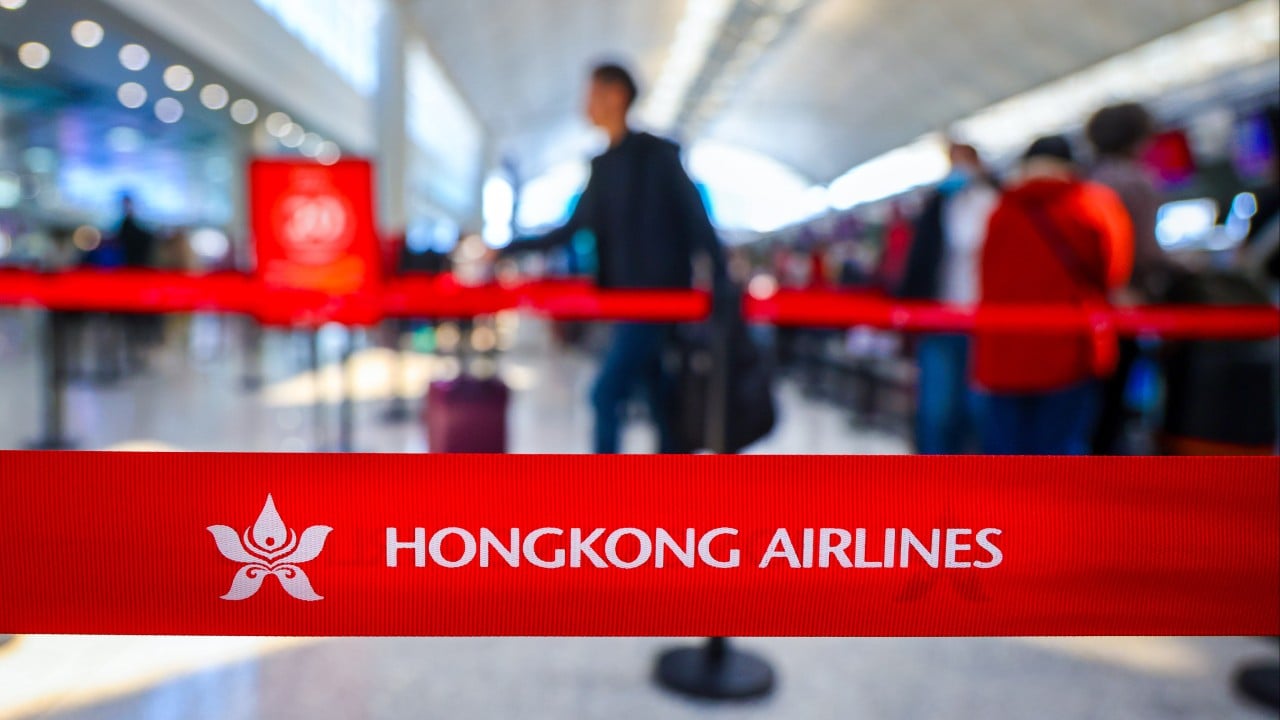
Two thousand customers across Hong Kong Airlines and two local appliance retailers became the direct targets of precision phone scams following a data breach that exposed their personal contact and transaction details. Unlike random robocalls that rely on sheer volume, these fraudulent calls used specific purchase histories and flight records to convince victims to hand over money or banking credentials. The incident exposes a systemic vulnerability in how consumer-facing businesses collect, store, and share customer records with third-party vendors, turning routine retail and travel receipts into weapons for organized fraud syndicates.
Anatomy of a Precision Scam
Traditional phone fraud is a numbers game. Call centers dial thousands of sequential numbers, hoping to catch someone off guard with a generic script about an unpaid tax bill or a suspended bank account. Most people hang up within seconds. You might also find this similar coverage interesting: The Invisible Shield Above Riyadh And The Fragile Quiet Below.
The wave of calls hitting Hong Kong Airlines passengers and appliance buyers operated on an entirely different model. When a scammer knows the exact date you bought a washing machine, the model number on the invoice, or the specific flight itinerary you booked three weeks ago, skepticism evaporates. That single piece of verifiable context acts as a skeleton key for human trust.
Consider a hypothetical example of how this plays out on the phone. A customer receives a call from someone claiming to be from the appliance shop's warranty department. The caller recites the customer's full name, home address, and the exact refrigerator delivered the previous month, then warns of a critical electrical defect requiring an immediate refund or replacement fee. Because every detail matches the physical receipt sitting in the customer's kitchen drawer, the victim complies with instructions to verify their bank account or transfer a processing deposit. As highlighted in latest coverage by The New York Times, the results are significant.
In the aviation sector, the script shifts to flight cancellations, ticket reissuance fees, or loyalty point expirations. Travelers already anxious about schedule changes are primed to act quickly when a caller reads back their booking reference number. By the time the victim realizes the airline never asks for credit card security codes or one-time passwords over an unsolicited phone call, the funds have already been routed through multiple mule accounts.
How Disparate Industries End Up in the Same Leak
At first glance, an international carrier and two neighborhood appliance stores share very little operational DNA. One manages complex aviation logistics and global reservation systems; the others sell refrigerators, air conditioners, and kitchen electronics to local households. Yet in the wake of this breach, customers from both sectors found themselves targeted simultaneously.
This overlap points directly to the hidden architecture of modern commerce. Businesses rarely build their own customer relationship management tools, logistics portals, or payment gateways from scratch. Instead, they rely on a dense web of third-party software providers, cloud storage vendors, marketing agencies, and delivery contractors.
When a customer buys a television online or books a regional flight, their personal data does not stay locked inside a single corporate vault. It travels across application programming interfaces to external fulfillment warehouses, SMS notification gateways, and outsourced customer support centers. A single compromised vendor or an unencrypted database sitting on a shared server can expose records belonging to dozens of unrelated brands at once.
Attackers actively hunt for these choke points. Rather than spending months trying to penetrate the hardened perimeter of a major airline, criminal groups target smaller regional contractors, maintenance vendors, or marketing firms that hold legitimate copies of customer lists. Once inside, they exfiltrate the databases and either use the records themselves or sell them on encrypted messaging channels to specialized fraud rings.
The Economics of Stolen Consumer Records
On underground markets, raw lists of phone numbers and email addresses sell for fractions of a cent per entry. They are cheap because they yield low conversion rates.
Enriched data—records that pair a phone number with a real name, a physical address, and a recent transaction—commands a massive premium. Fraud syndicates operating out of regional scam compounds treat these leaked spreadsheets like high-grade intelligence. Call center operators are handed scripts tailored specifically to the breached merchant, complete with internal jargon and authentic-looking invoice numbers.
The return on investment for the criminals is staggering. While a cold-call campaign might trick one in ten thousand targets, a breach-backed campaign can achieve success rates high enough to extract tens of thousands of dollars from a pool of just two thousand victims.
Why Corporate Defenses Keep Failing the Public
Every major data exposure triggers the same corporate reflex. Companies issue statements expressing regret, assert that they take customer privacy seriously, and remind the public to remain vigilant against suspicious calls. What these statements routinely obscure is the structural negligence that makes breaches inevitable.
First is the obsession with data hoarding. Retailers and airlines collect far more personal information than they need to complete a transaction. Buying a toaster does not require a customer's full residential address, email, phone number, and date of birth, yet checkout forms and mandatory loyalty apps demand them anyway. Every unnecessary field stored in a database increases the blast radius when a breach occurs.
Second is the failure of data retention hygiene. Companies routinely hold onto customer records for years after a warranty has expired or a flight has landed. Databases bloated with legacy customer files sit on corporate servers like unexploded ordnance, offering zero operational value while creating massive liability.
Third is the chronic underinvestment in vendor auditing. A company might spend millions securing its primary corporate network while handing full database access to a third-party logistics firm or promotional agency that uses weak passwords and outdated software. Under Hong Kong's Personal Data (Privacy) Ordinance, data users are legally responsible for the actions of their processors, yet enforcement often arrives months after the stolen records have already been weaponized against consumers.
The Regulatory Gap in Breach Accountability
In many jurisdictions, including Hong Kong, mandatory data breach notification laws have lagged behind the reality of modern cybercrime. While the Office of the Privacy Commissioner for Personal Data issues guidelines encouraging organizations to report leaks promptly, the absence of strict statutory deadlines and punitive financial penalties creates a perverse incentive for corporate silence.
When a company discovers unauthorized access to its systems, its first instinct is frequently containment and legal damage control rather than immediate public warning. Lawyers debate whether the exposed fields meet the threshold for notification. Forensics teams spend weeks tracing the intrusion path.
During that window of silence, the scammers are already dialing. The two thousand affected customers in this incident had no way of knowing their recent purchases had compromised their security until the fraudulent calls began arriving. A warning issued three weeks after a breach is useless to a victim whose bank account was drained on day two.
True deterrence requires shifting the financial burden of a breach back onto the institutions that failed to protect the data. Until statutory fines exceed the cost of implementing basic encryption, access controls, and data minimization, companies will continue to treat customer privacy as an acceptable compliance risk.
How to Neutralize Breach-Backed Phone Scams
Because consumers cannot control how retailers or airlines secure their backend servers, defense must happen at the point of contact. Recognizing the mechanics of a targeted scam is the only reliable way to stop it before money changes hands.
- Treat specificity as a red flag, not proof of identity. If an unsolicited caller knows your flight number, home address, or recent appliance purchase, assume that information was leaked. Never allow a caller to use your own personal details to prove they represent a legitimate company.
- Break the communication channel. Whenever a caller claims there is an urgent issue with a booking, delivery, refund, or bank account, hang up immediately. Look up the official customer service number independently on the back of your credit card or the company's verified website, and initiate the call yourself.
- Enforce a strict zero-disclosure rule on incoming calls. Legitimate airlines, retailers, and banks will never call you out of the blue and ask for one-time SMS passcodes, online banking passwords, credit card CVV numbers, or remote access to your phone screen.
- Use separate contact details for commercial transactions. Set up a dedicated email address and, where possible, a secondary phone number exclusively for retail accounts, airline bookings, and loyalty programs. When that number starts receiving scam calls, you immediately know which ecosystem leaked your profile.
- Lock down payment instruments. Enable instant transaction alerts on all banking apps and credit cards, and lower daily transfer limits to the minimum required for routine expenses. If a scammer manages to bypass your defenses, tight transfer caps prevent catastrophic losses.
The two thousand customers targeted in the wake of the Hong Kong Airlines and appliance retailer breach are simply the latest casualties of an economy built on frictionless data collection and fragile security. Every receipt, boarding pass, and warranty registration leaves a permanent digital trail across dozens of corporate servers you will never see, waiting for the next attacker to find an unlocked door.


