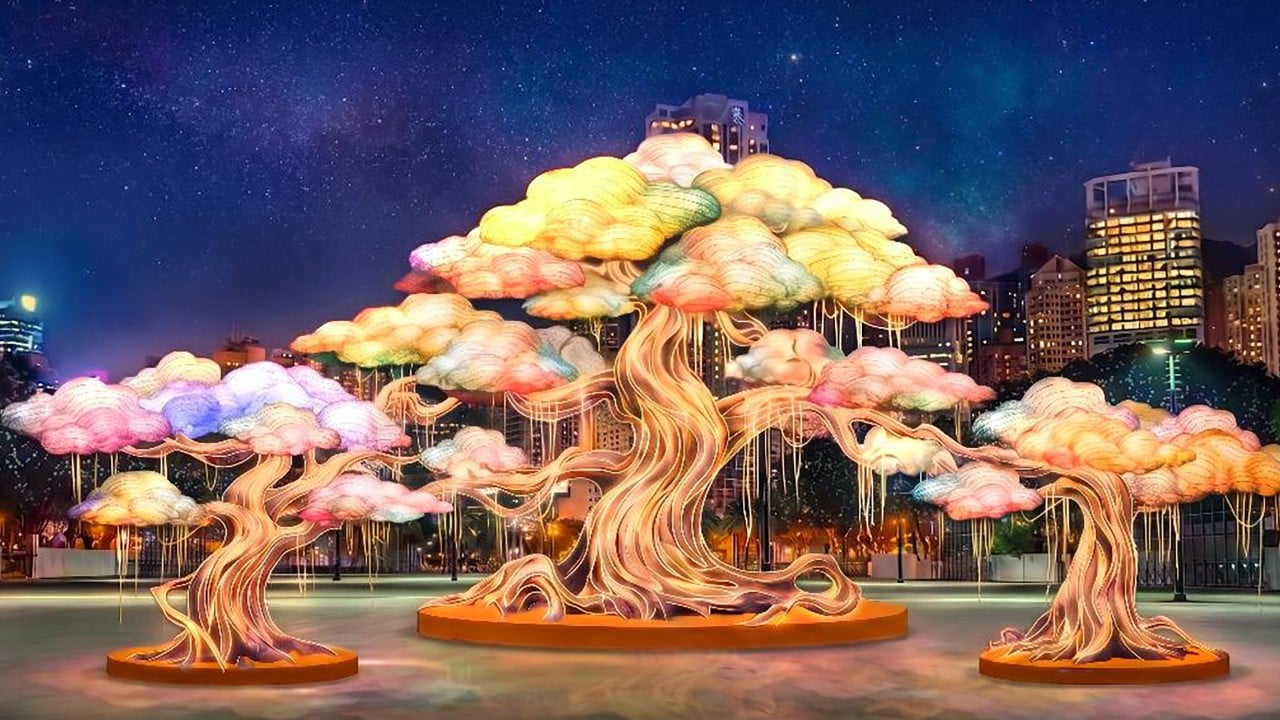
Victoria Park smells of melting paraffin, roasted chestnuts, and damp concrete. Every September, the sprawling asphalt expanse in Causeway Bay undergoes a peculiar transformation. Massive bamboo scaffolds wrapped in shimmering colored silk rise overnight, blocking out the neon glare of surrounding high-rises. This year, the Hong Kong Tourism Board and the Leisure and Cultural Services Department pushed the envelope further, expanding the Mid Autumn Festival lantern display across multiple districts simultaneously.
The official line paints a picture of a triumphant cultural revival. Millions of dollars poured into monumental lantern installations at Victoria Park, the Tsim Sha Tsui waterfront, and various suburban housing estates. The objective remains transparent: lure back weary tourists, revitalize local night markets, and project an image of unstoppable urban vitality.
Yet beneath the glowing facade of giant celestial dragons and illuminated lotus flowers lies a much more complicated economic and cultural reality.
Hong Kong is an exhausted city. Retail landlords are bleeding, neighborhood mom-and-pop shops are shuttering faster than heritage groups can document them, and public sentiment remains fragile. Organizing a massive festival light show is easy. Restoring the authentic community spirit that once made these celebrations matter is another challenge entirely.
The Logistics of Scale
Building a modern lantern display is an engineering feat that owes more to civil construction than traditional folk art. Gone are the days when neighborhood elders pasted colorful tissue paper over split bamboo frames using simple flour paste. Today's commercial displays require fire-retardant synthetic silks, programmable LED matrixes, and structural engineers capable of certifying wind-load safety for typhoons.
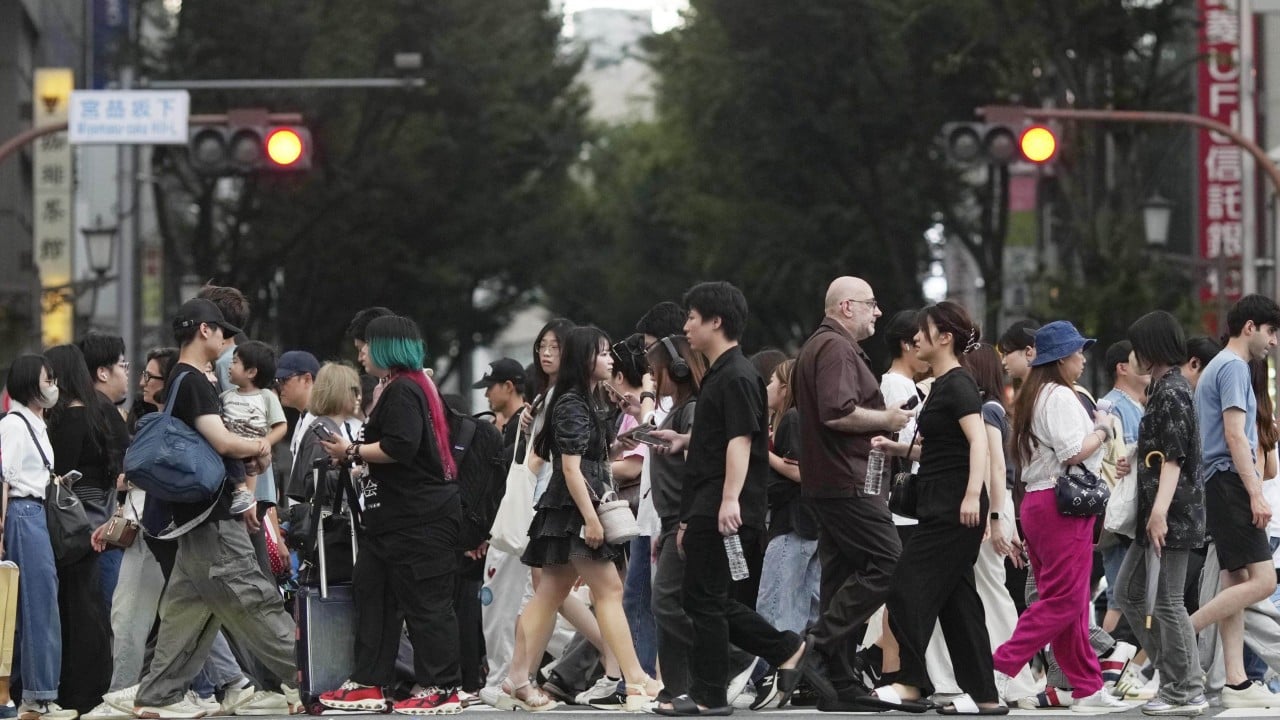
The expanded footprint this year serves a specific municipal strategy. By spreading installations out from traditional hubs like Victoria Park into regional parks in Sha Tin, Tsuen Wan, and Tuen Mun, authorities hope to achieve two distinct goals. First, they want to ease the crushing pedestrian bottlenecks that routinely turn Causeway Bay into a human gridlock during the lunar calendar's fifteenth day. Second, they need to inject life into suburban commercial nodes that have struggled with retail leakage as residents cross the border into Shenzhen for weekend entertainment.
Scale introduces its own vulnerabilities. When you industrialize a folk tradition, the cost structure balloons. Logistics, security, crowd control barriers, and power generation units run into millions of HKD.
Contractors face tight turnaround windows. They must assemble towering structures within public parks while navigating local bureaucracy and unpredictable late-summer tropical weather. A single severe rainstorm can compromise electrical wiring, ruining weeks of delicate hand-painted artistry hours before public gates open.
The Commercialization Trap
Walk through the central display area at Victoria Park, and you will notice a distinct shift in atmosphere. The air is thick with corporate sponsorship. Financial institutions, telecommunications giants, and mainland Chinese conglomerates purchase prominent branding rights near the main attractions.
Your traditional rabbit and carambola lanterns now share space with glowing corporate logos. For many long-term residents, this commercial intrusion feels like a betrayal of the festival's intimate roots.
The Mid Autumn Festival was historically a time for family reunions, mooncake sharing, and quiet storytelling under a full moon. Families sat on woven mats on the grass, lighting small wax candles inside red cellophane lanterns while children chased each other with glowing plastic sticks.
Today, that intimate spontaneity has been systematically engineered out of the experience.
Security guards whistle at anyone lighting traditional wax candles, citing fire hazards. Designated photo zones dictate where visitors can stand to capture the optimal social media frame. The entire event operates as an experiential marketing funnel designed to generate viral Instagram and Xiaohongshu content rather than genuine communal reflection.
This transformation alienates the very locals the festival is supposed to celebrate. When residents feel like extras in a tourism board commercial, they stay home. They watch the crowds on local television news, complaining about the subway congestion and the inflated price of white lotus seed paste mooncakes.
The Tourism Gamble
The government desperately needs a win. Tourism numbers have rebounded from their historic lows, but spending patterns have shifted. Visitors arrive in groups, take their photos at iconic locations, and frequently depart without booking overnight hotel stays.
Lantern displays function as low-barrier attractions designed to capture wandering foot traffic. If you place a thirty-foot glowing carp in the middle of a public park, people will walk over to look at it. Whether they purchase dinner at a nearby dim sum restaurant or buy luxury goods in a nearby shopping mall is an entirely different question.
Industry data suggests that large-scale visual spectacles drive high foot traffic volume but low average ticket conversion for surrounding independent businesses. Massive crowds create a perimeter effect. People swarm the central installation, buy a cheap bottled water from a convenience store, and leave. The neighborhood restaurants located two blocks away remain empty, their owners left wondering why a million people in the district translated into zero increase in dinner reservations.
This mismatch highlights a structural flaw in modern urban event planning. Planners focus exclusively on impression metrics. They count turnstile clicks and social media mentions, ignoring the micro-economies that rely on steady, organic neighborhood engagement.
The Craft Under Threat
Behind the gleaming plastic and LED strips, a dying trade struggles for survival. True master lantern makers are vanishing. These aging artisans spent decades mastering the geometry of bamboo bending and silk stretching. Their work is precise, labor-intensive, and fundamentally unsuited to the demands of mass production.
When the government commissions massive installations, they frequently award contracts to the lowest bidding event management firms. These firms sub-contract the physical construction to factories across the border in Guangdong. The traditional Hong Kong craftsman, working out of a cramped industrial building in San Po Kong or Chai Wan, gets sidelined.
You can still find a few stubborn workshops keeping the old ways alive. They work in dim light amidst piles of wood shavings, coaxing rigid bamboo into the graceful curves of mythical beasts. Their creations possess a soul that factory-stamped fiberglass panels simply cannot replicate.
When those workshops close their doors for good, and the masters pass away without apprentices, the art form ceases to evolve. It becomes a museum piece, preserved only in government-sponsored promotional brochures.
Beyond the Glare
Expansion brings visibility, but visibility carries a cost. The decision to scale up the Mid Autumn Festival lantern displays across Hong Kong is an understandable attempt to manufacture joy in a city that sorely needs it.
Yet spectacle is not a substitute for substance. A city cannot light its way out of structural economic anxiety with colored bulbs and silk banners.
True cultural vitality bubbles up from the bottom, driven by neighborhood pride, independent artisans, and communities willing to claim their own public spaces without corporate sponsors dictating the narrative.
The lights in Victoria Park will eventually be unplugged. The bamboo frames will be dismantled and hauled away to recycling depots. The crowds will disperse back into their cramped apartments, bracing for the next workday.
What remains when the glow fades is the real test of a city's resilience. Hong Kong does not need bigger lanterns. It needs its soul back.