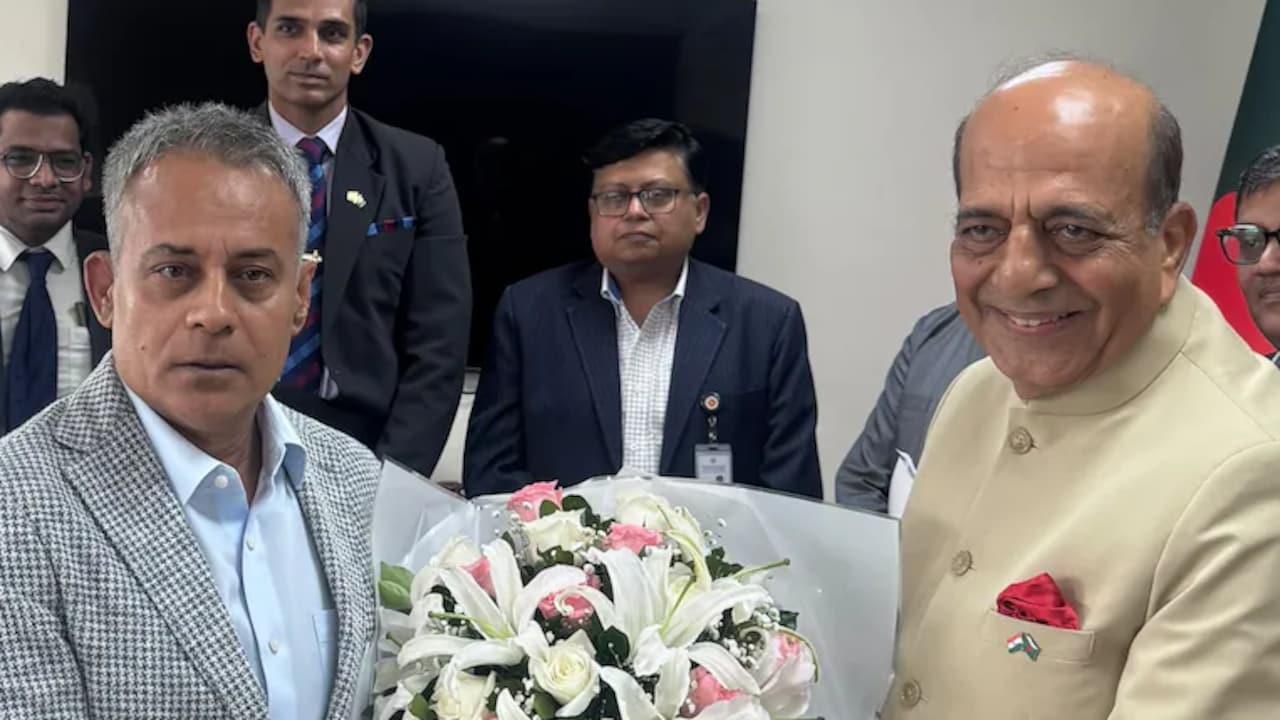
Railway bureaucrats from New Delhi and Dhaka are sitting down behind closed doors at the Rail Bhaban in Dhaka to map out a timeline for bringing back cross-border passenger trains. The Maitree, Bandhan, and Mitali Express services have sat idle on rusty tracks since July 2024, when sweeping civil unrest violently unseated the government of Prime Minister Sheikh Hasina. While freight operations clawed their way back into motion months ago, passenger links remained frozen amid diplomatic frostbite and political regime changes.
Railway officials are pointing toward an October target window to get the carriages moving again. Meeting that target requires navigating a maze of security clearances, financial settlements, and bureaucratic red tape that has choked transit between the two neighbors for more than two years.
The Real Cost of a Two-Year Suspension
When the protests erupted in mid-2024, cross-border transit stopped overnight. The Mitali Express, running between New Jalpaiguri and Dhaka Cantonment, found its rake stranded deep inside Bangladesh for nearly half a year before it could be quietly returned to Indian soil. The Maitree Express between Kolkata and Dhaka, alongside the Bandhan Express connecting Kolkata to Khulna, vanished from reservation systems indefinitely.
The physical stoppage of trains created immediate friction, but the secondary economic fallout hit border towns hardest. Petty traders, medical tourists, and families divided by partition lines lost their most affordable and reliable corridor. Airfares between Kolkata and Dhaka spiked immediately following the suspensions, punishing travelers who relied on iron rails for affordable cross-border mobility.
Freight recovered faster because cargo moves without requiring immigration clearance, tourist visas, or political photo-ops. Passenger services, conversely, are inextricably tied to the health of bilateral diplomacy. When political ties sour, the tracks go cold.
Diplomatic Realities Behind the October Target
An optimistic target window of October is currently floating through official channels, but rail schedules do not dictate foreign policy. The talks in Dhaka represent the first formal inter-governmental railway meeting of its kind since the 2024 uprising. Yet, opening a booking window requires formal sign-off from home ministries, foreign offices, and security agencies in both capitals.
The political landscape in Dhaka shifted significantly following elections that brought a new administration to power. Although pragmatic governance has slowly replaced the initial post-revolution volatility, deep structural grievances remain. Questions surrounding the long-term residence of deposed leaders and pending extradition requests cast a long shadow over bilateral negotiations. Railway officials can test brakes and inspect tracks all they want, but the final green signal depends entirely on whether political leaders decide that passenger integration is mutually advantageous at this exact moment.
Visa issuance patterns add another layer of friction. India tightened tourist visa processing sharply during the height of the turmoil, and while backlogs have eased, obtaining travel documentation remains a stringent hurdle. Restoring a train line without matching visa capacity results in empty seats and wasted operational expenditure.
Infrastructure Proposals on the Table
Beyond simply restoring the three legacy routes, negotiators are hashing out proposals that could permanently alter the geography of India-Bangladesh rail transit. Bangladesh railway representatives are pressing to introduce a brand-new passenger service linking Rajshahi directly to Kolkata. This northwestern route would capture regional traffic that currently relies on cumbersome highway crossings or indirect train loops.
Equally contentious is the push to reroute the Maitree Express through the massive Padma Bridge rather than its historical path across the Jamuna Bridge. The Padma Bridge stands as a monumental engineering achievement completed during the previous regime. Shifting international passenger trains onto its deck carries heavy symbolic weight alongside technical adjustments. Track alignments, signaling systems, and customs clearance facilities at immigration checkpoints must be exhaustively tested before any international express can safely roll across the span.
Operational Hurdles and Financial Balancing
Restarting international rail operations requires complex administrative coordination. Both railway boards must settle lingering financial accounts, reconcile cross-border traffic balances, and agree on sharing maintenance costs for rolling stock that spends days in foreign yards.
Security protocols must also be entirely rewritten. The political environment of 2026 demands heightened vigilance at border-crossing stations like Haridaspur and Darshana. Immigration checks for international trains traditionally occur at designated stations before passengers enter the wider domestic network. Ensuring that these clearance booths are fully staffed with vetted personnel requires inter-agency synchronization that rarely happens overnight.
Travelers eager to book tickets for an autumn journey should temper their expectations. A meeting in Dhaka establishes intent, but printing a timetable takes time. Until foreign ministries issue a joint statement confirming ticket sales and visa protocols, the tracks between Kolkata and Dhaka remain silent monuments to a diplomatic reset still searching for its final destination.


