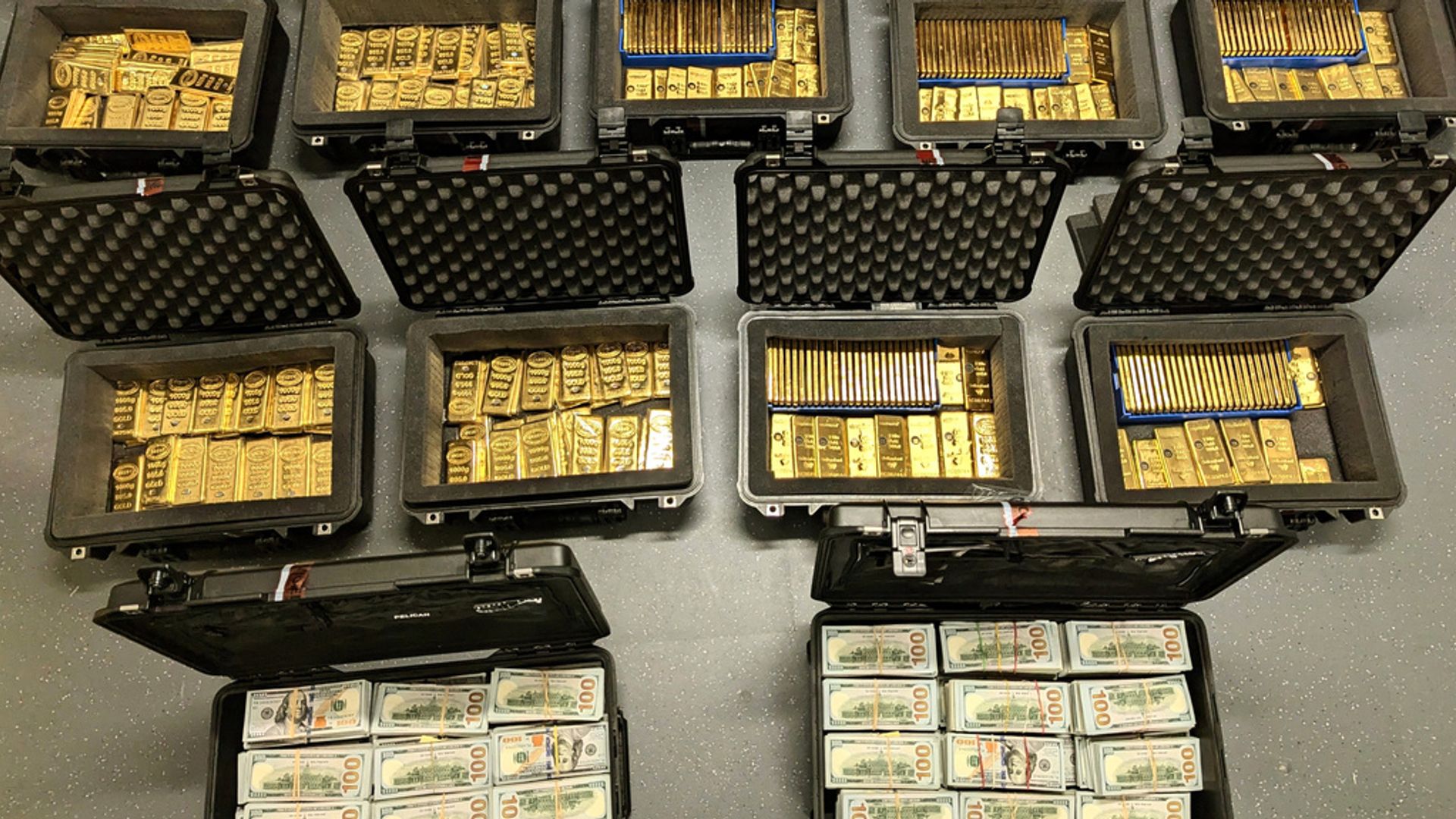
When federal investigators breached the Ashburn, Virginia, home of former Central Intelligence Agency official David J. Rush, they did not find stacks of digital currency or offshore shell company ledgers. They found tangible antiquity. Basements and safes yielded tens of millions of dollars in gleaming physical gold bars, high-end luxury watches, and millions in cold hard cash. Rush had just executed one of the most astonishing internal frauds in the modern history of the American intelligence apparatus, defrauding the federal government of approximately 194 million dollars.
The mechanics of the operation expose terrifying blind spots in bureaucratic oversight. Rush did not utilize cloak-and-dagger movie tropes or high-tech cyber espionage to empty federal coffers. Instead, he exploited the mundane underbelly of administrative architecture: inflated salaries, falsified credentials, fabricated internal spy programs, and unchecked bureaucratic trust. For years, the system rewarded compliance over verification, allowing a trusted insider to systematically convert public funds into heavy metal bullion buried under his floorboards. You might also find this similar story insightful: Why Demanding Zack Polanski Resign Misses the Real Crisis Inside the Green Party.
The Anatomy of an Inside Job
The sheer scale of the fraud staggers the imagination. Federal prosecutors outlined a multi-layered scheme where Rush manipulated internal compensation structures, falsely claimed military leave, and invented fictitious operational needs to siphon government funds directly into his personal control. Within the insular world of the intelligence community, compartmentalization is gospel. Employees are trained not to ask questions about projects outside their purview. Rush weaponized this exact cultural norm. By operating within specialized technical divisions, he built a shroud of operational security around his own administrative fraudulent activities. Colleagues and overseers assumed his requests were backed by classified necessity, failing to look past the bureaucratic curtain.
This case forces a harsh reckoning for federal oversight agencies. When institutional culture prioritizes absolute secrecy, independent auditing becomes structurally compromised. Auditors hesitate to challenge high-ranking officials on technical or operational expenditures for fear of stumbling into classified territory. Rush recognized this systemic vulnerability and drove a truck through it, transforming secrecy from a national security shield into a personal laundering mechanism. As discussed in detailed articles by TIME, the results are notable.
From Government Ledger to Physical Gold
Why gold bars? Fiat currency leaves digital footprints, triggers anti-money laundering alerts, and depreciates under the weight of inflation. Physical gold offers a timeless sanctuary for illicit capital. By funneling millions of embezzled dollars into bullion, Rush bypassed traditional banking compliance entirely. Storing millions of dollars worth of gold in a suburban Virginia basement represents an old-school approach to criminal enterprise. It is a physical manifestation of absolute distrust in digital oversight, swapped for the primitive security of heavy metal sitting in a dark room.
The seizure of more than 40 million dollars in gold highlights a secondary market failure. How does a mid-to-high-level federal employee purchase massive quantities of precious metals without triggering domestic reporting thresholds or raising red flags with financial institutions? Investigators are still unraveling the network of intermediaries, precious metal dealers, and shell entities that facilitated the conversion of public tax dollars into tangible bars of wealth.
The Classified Trial That Never Was
The legal endgame arrived swiftly once the Department of Justice cornered the operation. Facing overwhelming physical evidence and an airtight wire fraud case, Rush entered a guilty plea, averting what could have been a messy, protracted public trial. Legal analysts note that federal prosecutors and defense attorneys had engaged in heavy behind-the-scenes wrangling over how much classified material would inevitably surface during court proceedings. A public trial risked exposing sensitive internal agency procedures, giving Rush a subtle leverage chip. The plea agreement short-circuited that exposure, locking in a conviction while keeping the agency's deepest operational vulnerabilities out of the public record.
Yet, closing the courtroom doors does not erase the institutional damage. The plea deal ensures Rush faces up to two decades behind bars, alongside mandatory asset forfeiture and restitution, but it leaves fundamental questions unanswered.
The Wider Fallout for Federal Transparency
Bureaucracies are reactive organisms. Following major security breaches or monumental financial scandals, internal watchdogs typically implement sweeping administrative overhauls. Yet these corrections often manifest as performative red tape rather than genuine structural reform. Additional forms, redundant sign-offs, and superficial compliance checks will inevitably cascade through the agency. True reform requires dismantling the culture of unquestioning deference to clearance holders.
When trusted insiders realize that administrative isolation can be leveraged for personal enrichment on a scale rivaling small-nation GDPs, the threat is no longer foreign espionage. The greatest hazard to the security apparatus comes from the inside, where institutional blind faith creates a playground for opportunistic greed. The gold bars are now sitting in government custody, but the structural rot that allowed a bureaucrat to buy them in plain sight remains an open wound in the heart of the national security state.