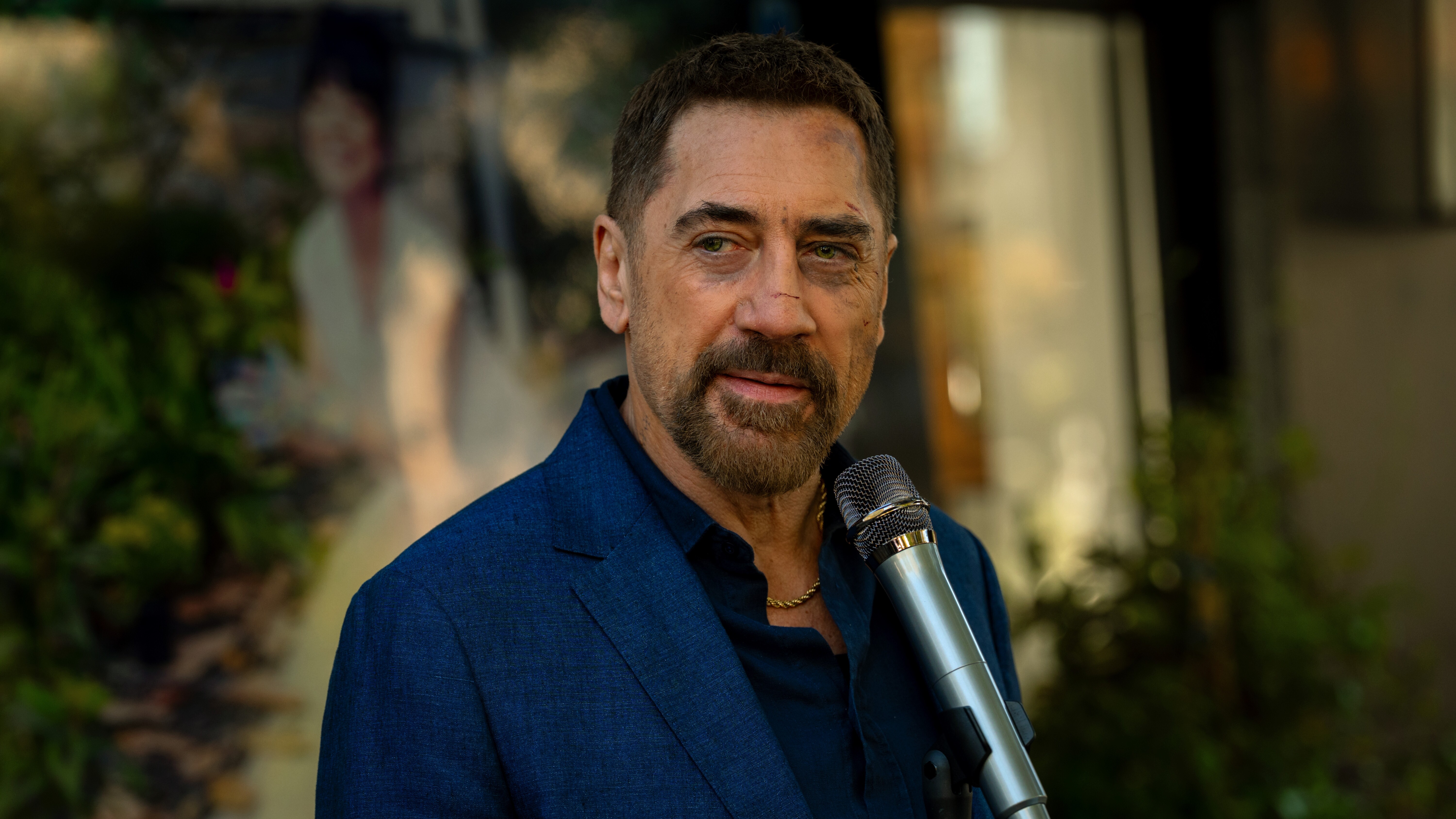
Javier Bardem is stepping into the cinematic shadow of Robert Mitchum and Nick Nolte, taking on the iconic role of Max Cady in Apple TV's upcoming television adaptation of Cape Fear. Transforming into a psychopath driven by vengeance requires more than a simple wardrobe change or a dialect coach. It demands a total dismantling of an actor's own psychology.
Martin Scorsese and Steven Spielberg are executive producing this high-stakes thriller series, bringing heavy-hitting prestige to a property that has already haunted two generations of filmgoers. When casting announcements first dropped, the industry reaction was split between sheer awe and cautious skepticism. Recreating a character defined by Robert Mitchum's calculated menace in the 1962 original and Robert De Niro's tattooed, hyper-muscular intensity in Martin Scorsese's 1991 remake is an intimidating assignment. Bardem is not trying to copy his predecessors. Instead, he is dissecting the mechanics of obsession to find something entirely new in John D. MacDonald's source novel, The Executioners. You might also find this related story interesting: Why Major Record Labels Are Drawing Hard Lines on AI Music Charts.
Television allows a luxury that feature films simply cannot afford: time. A two-hour runtime forces a narrative to compress its villains into efficient, high-velocity instruments of terror. A ten-episode season format changes the math entirely. Cady will no longer be a fleeting monster appearing in brief, explosive intervals. He will be a slow-burning pressure cooker, giving audiences a front-row seat to the psychological deterioration of a man consumed by a singular, destructive grudge.
The Anatomy of Cinematic Malice
Villains only work when they make a strange kind of logical sense to themselves. If an antagonist is evil purely for the sake of ticking a box in a script, the performance feels hollow. Bardem has made a career out of studying the architecture of terrifying men. Think of Anton Chigurh in No Country for Old Men or Silva in Skyfall. Those characters possessed a chilling internal consistency. They operated under their own warped laws of physics and morality. As discussed in recent coverage by E! News, the effects are significant.
Max Cady presents a different challenge. He is not a supernatural force or a silent assassin. He is a man armed with procedural knowledge, legal loopholes, and a personal vendetta against the legal system that put him behind bars. To play Cady effectively in a modern context, an actor must understand how grievance curdles into identity. Modern audiences have a front-row seat to real-world fanaticism every single day. We watch public figures and online subcultures organize around mutual grievances. Cady is the primordial version of that phenomenon. He is a man who believes the world owes him a debt, and he intends to collect it with interest.
Apple TV has kept the specifics of Bardem's physical and psychological preparation under tight wraps, but industry insiders note that the production relies heavily on the procedural reality of the legal system. The terror in Cape Fear has always stemmed from institutional failure. The law protects the rights of the accused, but what happens when those rights weaponize themselves against the very people seeking safety? That tension forms the backbone of the series.
Why Television Changes the Game for Psychological Thrillers
Feature adaptations of Cape Fear had to sprint from setup to confrontation. The 1991 Scorsese version traded heavily in religious iconography, guilt, and physical transformation. De Niro packed on muscle, covered his body in reactionary tattoos, and played Cady like a Southern preacher possessed by Old Testament wrath. It was a magnificent, operatic performance, but it belonged entirely to the stylistic excess of early nineties cinema.
Television demands a different kind of endurance.
- Pacing the Dread: A series allows the narrative to breathe. The psychological erosion of the Bowden family happens drop by drop, rather than in a sudden downpour.
- Expanding the Perspective: Supporting characters who were mere collateral damage in the films can now receive full narrative arcs.
- The Modern Legal Landscape: The relationship between stalker and victim looks vastly different today than it did thirty years ago, thanks to digital footprints, surveillance culture, and shifting definitions of harassment.
Bardem understands this shift. His approach to Max Cady leans away from theatrical monster-movie tropes and toward a more unsettling realism. The most frightening villains do not lurk in the shadows wearing a costume. They sit across the table from you, speaking in a calm, measured voice while calmly explaining why your world is about to collapse.
The Creative Heavyweights Behind the Camera
A great lead performance requires a surrounding ecosystem that supports its weight. Having Steven Spielberg and Martin Scorsese executive producing together is a rare alignment of cinematic titans. Spielberg originally directed the 1993 segment of development that eventually led to Scorsese's 1991 film, and the two have maintained a collaborative dialogue about this property for decades.
Bringing this pedigree to television indicates a structural shift in how prestige limited series are manufactured. The lines between feature film and streaming television continue to blur, driven by actors of Bardem's caliber who demand complex, long-form character studies. When an actor who has won an Academy Award commits to a multi-episode television commitment, it signals that the material offers room for depth that a two-hour film cannot match.
The showrunner and writing room face an immense challenge. They must honor the DNA of the original novel and its cinematic adaptations while updating the thematic resonance for an audience accustomed to sophisticated psychological thrillers. If Cady is written merely as a physical threat, the series will fail. He must operate as an intellectual adversary who understands the psychological vulnerabilities of his targets better than they understand themselves.
What Audiences Should Expect When the Series Drops
The anticipation surrounding Bardem's performance is not just about nostalgia. It is about curiosity regarding how a world-class actor handles a role freighted with so much cinematic baggage.
When Max Cady finally steps onto the screen in the Apple TV series, viewers will not see an imitation of Robert Mitchum's cigarettes-and-swagger routine, nor will they see a carbon copy of De Niro's fanatical muscleman. They will see Javier Bardem filtering the essence of human malice through a modern lens. The transformation is rooted in the quiet spaces between dialogue, in the deliberate posture of a man who knows he holds all the cards, and in the unsettling realization that justice and the law are rarely the same thing.
The stage is set for a masterclass in tension, and the man holding the match has spent his entire career mastering the art of controlled combustion.