Fast-food marketing usually feels like a messy game of throwing chicken against the wall to see what sticks. But when a titan like KFC carves out an entirely new C-suite slot just to keep its head above water, you know the stakes have changed.
Parent company Yum! Brands just named Amy Ellis Durini as KFC's first-ever global chief brand officer, effective November 1. It is a massive tell about where the fried chicken chain stands right now. Competition is brutal, margins are squeezed, and traditional bucket-of-chicken nostalgia isn't enough to drag younger buyers through the doors.
If you are wondering why a fast-food joint needs a global brand overlord out of nowhere, look at the battlefield. Rivals like Raising Cane's are stealing market share, consumer tastes are shifting toward boneless convenience, and nobody cares about a dated mascot unless you give them a reason to look.
The Real Reason Behind the Shakeup
Let us be honest. When legacy brands create fresh executive titles, they are usually panicking or pivoting. In KFC's case, it is a desperate bid for coherence.
Operating thousands of stores across wildly different international markets means your brand message gets fractured fast. What works in Tokyo flops in Topeka. Durini steps into this chaos straight from Taco Bell International, where she served as chief marketing and strategy officer and oversaw digital overhauls.
She reports directly to KFC Global CEO Scott Mezvinsky. That direct line matters. It means brand identity and retail execution are finally getting strapped together under one roof, rather than fighting for budget in separate silos.
What Needs to Change Immediately
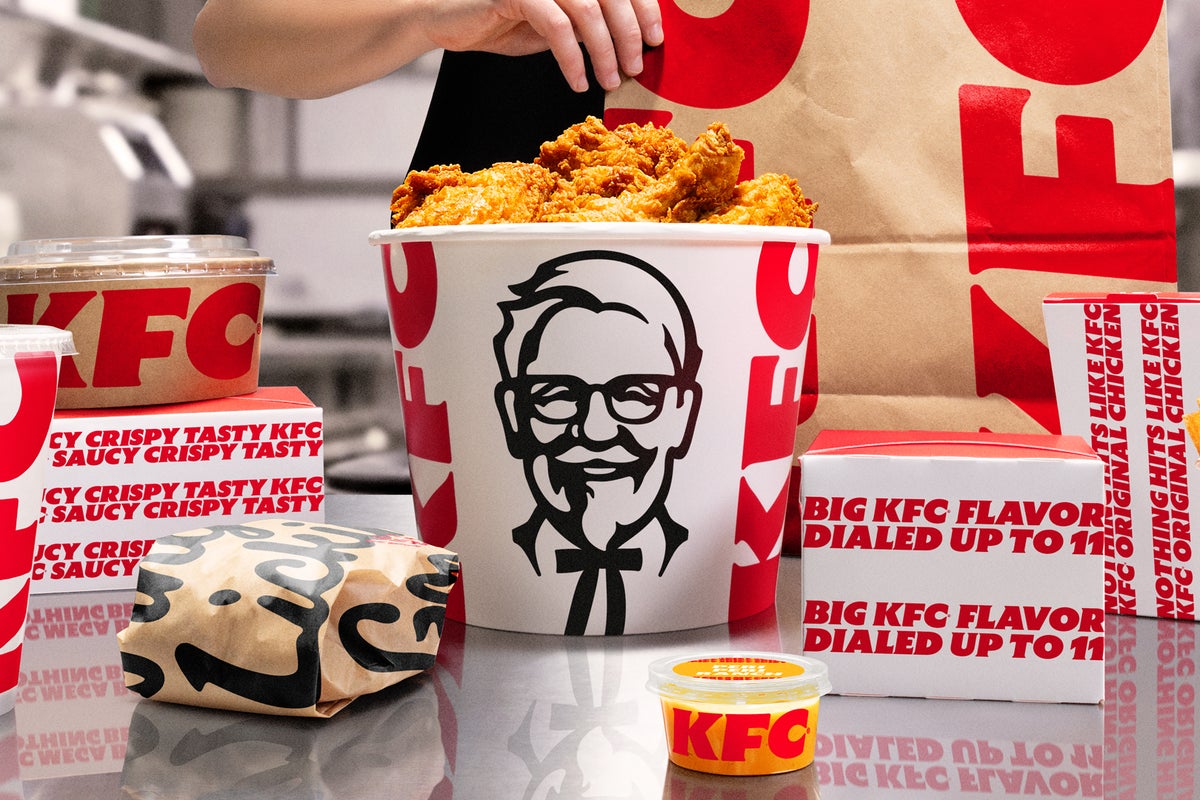
KFC launched a sprawling global brand overhaul that tries to drag Colonel Sanders and the iconic red-and-white bucket into a modern aesthetic. Stores are getting physical facelifts. The menu is shifting heavily toward boneless options, beverages, and experimental dipping sauces born from domestic testbeds like the Saucy concept.
Yet, changing a visual identity on paper is easy. Getting franchisees across a sprawling global footprint to execute it uniformly is where good strategies go to die.
Durini spent eight years handling international marketing for KFC before her stint at Taco Bell. She knows where the bodies are buried. She understands the friction points between corporate dreams and local franchise realities.
Fixing the Loyalty Problem
Most fast-food rewards programs are digital junk drawers. You download an app for a free side, forget about it, and delete it three weeks later.
KFC needs actual retention, not just download metrics. Under Durini's remit, loyalty and digital retail experiences sit right alongside core brand strategy. If she can replicate the kind of cult-classic digital traction she touched at Taco Bell—think high-engagement community plays and sticky rewards structures—KFC might actually build a modern customer base.
Without that, no amount of bucket redesigns or mascot makeovers will save them from margin erosion.
The Execution Trap
Every fast-food turnaround sounds great in a corporate press release. Executives love talking about modernizing experiences and refreshing core assets.
The real test starts when November rolls around and the structural changes hit actual restaurant floors. If the menu execution lags or the new boneless platforms feel generic, consumers will just drive past for chicken fingers somewhere else. Watch how fast corporate tightens the leash on regional marketing budgets if Q4 numbers stumble.