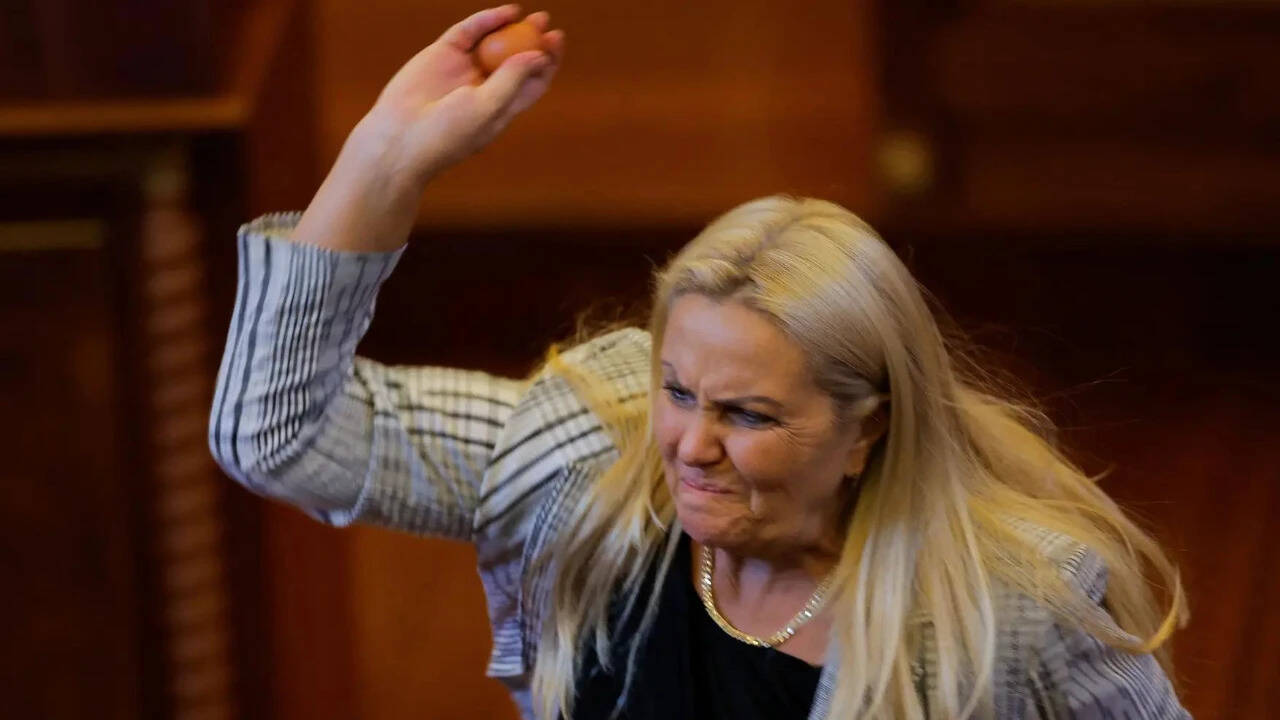
Kosovo's fragile democracy is cracking under the weight of perpetual gridlock, culminating in yet another suspended legislative session after an opposition lawmaker pelted acting Prime Minister Albin Kurti with eggs. The confrontation on the floor of the assembly is a symptom of a much deeper institutional paralysis gripping Europe's youngest nation. Following inconclusive electoral outcomes and unyielding party lines, the state faces repeated failures to constitute a functioning government. Constitutional deadlines pass quietly into the night, while rival factions trade accusations, legal threats, and projectile yolks instead of building working coalitions.
This recurring dysfunction is not merely about bad manners in a chamber. It exposes a structural flaw in how political power is distributed and contested in Pristina. When Prime Minister Kurti's Vetëvendosje party secured the largest share of seats in the national vote but fell short of a clear governing majority, a predictable math problem transformed into an existential state crisis. Vetëvendosje won 53 out of 120 seats, a strong plurality that nonetheless leaves them exposed. Without partners willing to cross the aisle, governance stalls.
Opposition groups like the Alliance for the Future of Kosovo and the Democratic League of Kosovo hold considerable leverage. They refuse to grant easy passage to Kurti's agenda, particularly regarding the election of key leadership roles and the executive branch. The resulting stalemate has pushed the country through multiple electoral cycles in rapid succession. Voters head to the ballot boxes, yet the underlying distribution of hostility remains frozen in place.
The immediate trigger for the egg-throwing incident involved a familiar maneuver: a plea for extra time. Kurti requested a delay to navigate stalled negotiations over the selection of a new state president and the organization of parliament's leadership. Rival lawmakers viewed this delay as a stalling tactic designed to bypass legal thresholds, threatening immediate court challenges. When MP Time Kadrijaj launched the eggs directly at Kurti from the front row, she captured a national mood of profound exhaustion and anger.
Yet, treating this event as simple political theater misses the structural warning lights flashing across the Balkans. Kosovo operates under a high-stakes parliamentary framework where minority vetoes and strict majoritarian requirements for top offices create perpetual deadlock. If a party cannot muster a two-thirds majority for a presidential candidate, automatic constitutional triggers drag the entire nation back to mandatory snap elections. The system incentivizes maximalist posturing over compromise. Why bargain in good faith when holding out can force a new election that might tilt the board?
International observers from Western capitals watch these developments with mounting frustration. Western backing remains the cornerstone of Kosovo's international standing, yet continuous internal bickering squanders diplomatic capital. Years of normalization talks with neighboring Serbia already create immense domestic pressure. When local politicians spend months arguing over parliamentary speaker votes and cabinet positions, pressing economic reforms and infrastructure initiatives gather dust.
The cost of this ongoing instability is borne directly by citizens dealing with persistent unemployment, regional uncertainty, and public services that struggle to meet basic demands. Every month spent in political limbo is a month lost to meaningful policy execution. The public is left wondering how a state built on the promise of democratic renewal can remain permanently stuck in neutral.
Until political elites shift their calculation from absolute victory to painful compromise, the cycle will repeat. Another election will yield another fractured parliament. Another negotiation will hit the same stone wall. The eggs thrown across the assembly floor are cheap. The cost of institutional failure is devastatingly high.

/cdn.vox-cdn.com/uploads/chorus_asset/file/22155007/doc_ock.jpg)