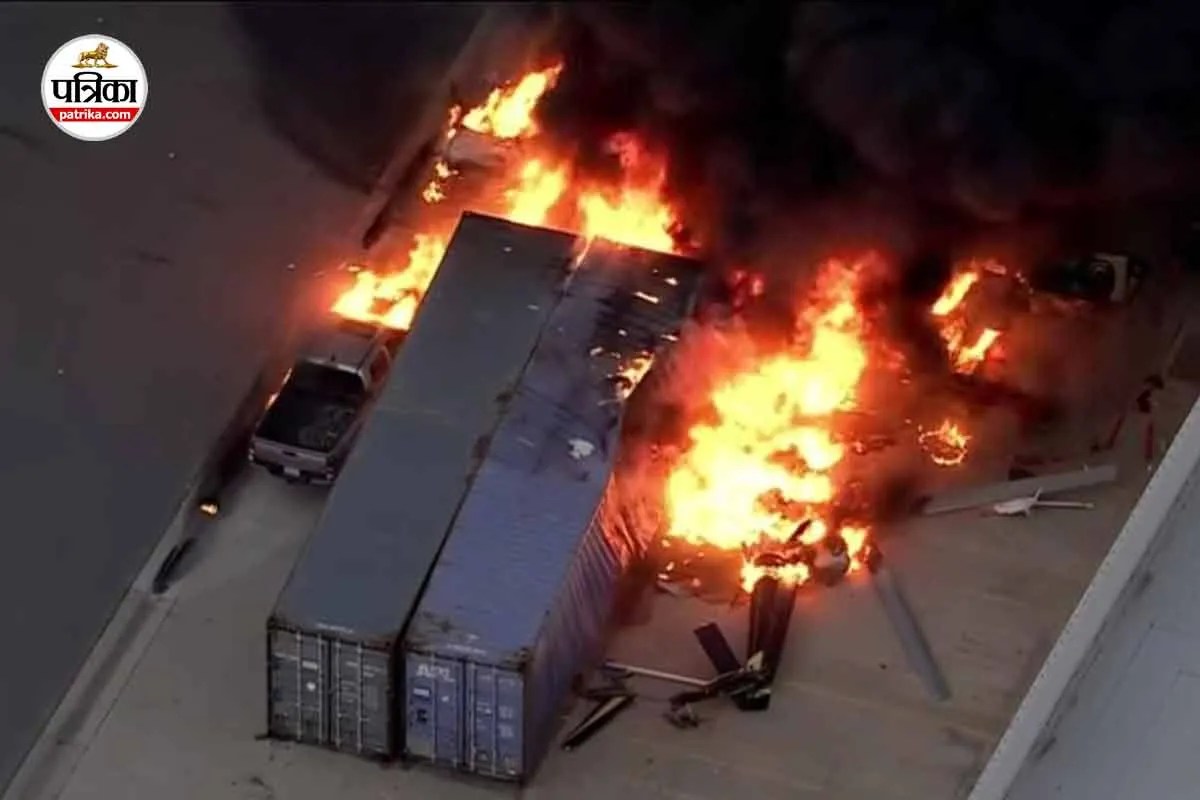
The modern news machine demands immediate eyes, live feeds, and unyielding altitude. When an SUV plowed into a transit situation in the Chatsworth neighborhood of Los Angeles, local news operations scrambled to secure an aerial vantage point. Within moments, an Angel City Air Eurocopter AS350 carrying NBC4 photojournalist Eliana Moreno and pilot George Marciniw was airborne.
Minutes later, the chopper dropped out of the sky, slamming into a parking lot and igniting a fierce fire that claimed three lives—including both crew members and a pedestrian on the ground. This double catastrophe laid bare the dangerous, high-pressure physics of airborne journalism, forcing a hard look at the invisible toll of our constant hunger for live, unfiltered tragedy.
The Weight of the Air
Commercial and news aviation over major metropolitan areas is an exercise in calculated risk. Helicopters hovering at low altitudes over chaotic accident scenes operate under severe aerodynamic constraints. Rotor wash, shifting wind currents bouncing off concrete structures, and the immense cognitive load placed on a two-person crew create a hazardous operational envelope.
When a news helicopter orbits a ground incident, the pilot must balance aircraft performance against the demands of the camera operator seeking a stable, continuous shot. Every orbit requires precise adjustments. Power margins shrink rapidly when temperatures rise or air density shifts, and emergency maneuvers leave little room for error.
National Transportation Safety Board investigators recovering the wreckage and cockpit audio pointed to diagnostic alerts sounding in the final seconds of flight. Those audio cues capture a terrifying descent into mechanical overload, shifting the conversation from a sudden freak accident to a systemic vulnerability in how media organizations staff and execute urban aerial coverage.
The Commercial Pressure to Perform
Behind every live broadcast feed lies an intensely competitive market. Local television stations rely heavily on exclusive aerial perspectives to capture audience attention during major breaking stories. This commercial incentive creates an invisible gravity pulling aircraft closer to the action, lower to the ground, and deeper into congested airspace.
Operating under these conditions means pilots and photojournalists frequently push past standard safety margins. The pressure to remain on station while competitors circle overhead introduces elements of subtle coercion. Experience shows that safety guidelines written on paper often bend when a major network is fighting for market share during a developing crisis.
The human cost of this routine exposure is rarely tallied until tragedy strikes. Eliana Moreno and George Marciniw were seasoned professionals embedded in the rhythm of Southern California skies. Their loss exposes the precarious boundary between public information needs and the physical risks absorbed by those who gather it from above.
Redefining Aerial Risk
As federal investigators comb through flight data recorders and examine engine telemetry, the broadcasting industry faces an uncomfortable reckoning. The proliferation of advanced drone technology offers a viable alternative for many types of routine aerial observation, yet legacy broadcasters remain tethered to crewed helicopters for their unmatched range and live-transmission capability.
Yet, relying on crewed aircraft to chase urban collisions places multiple tiers of human life on the line: the flight crew, motorists on the highway, and pedestrians walking near the impact zone. True reform requires institutional changes in how newsrooms evaluate the necessity of low-level hovering.
The obsession with real-time visual spectacle must be weighed against the stark reality of mechanical limits and human vulnerability. Until media organizations establish stricter safety thresholds that override ratings incentives, the skies above major cities will remain a hazardous theater for breaking news.
3 Dead After NBC News Helicopter Crashes in Los Angeles While Reporting on Bus Collision
This video documents the immediate aftermath and reporting surrounding the tragic Los Angeles news helicopter crash that claimed three lives.