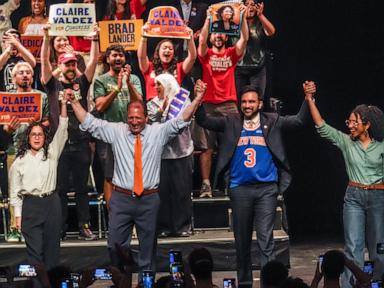
On June 23, New York voters officially head to the polls for the congressional primary elections, but for most districts, the real decision was made months ago in closed-door party meetings and judicial chambers.
The frantic final day of campaigning across the state features the standard theatrical elements of modern American politics. Candidates stand outside subway stations in Queens, grip hands at diners in Syracuse, and blast frantic text alerts pleading for last-minute donations to fund their final television ad buys. To the casual observer, this looks like a vibrant display of grassroots democracy in action. The reality is far colder. New York maintains one of the most restrictive, gatekept electoral systems in the United States, designed explicitly to protect incumbents, crush insurgencies, and limit the influence of the average voter.
Behind the public speeches lies a complex apparatus of ballot-access challenges, deep-pocketed special interest groups, and structural barriers that systematically suppress voter turnout. Understanding how this system operates reveals why the state's congressional delegation looks the way it does and why true political competition in the Empire State is an endangered species.
The Secret War of Ballot Access
Long before a candidate can make a final pitch to voters on the eve of a primary election, they must survive the state's notorious petitioning process. This process acts as the first and most effective filter for the party establishment.
To secure a spot on the primary ballot, an aspiring congressional candidate must gather thousands of signatures from registered party members within their specific district. On paper, this sounds like a reasonable test of a candidate's baseline community support. In practice, it is a legal minefield weaponized by entrenched incumbents to eliminate opponents before a single vote is cast.
Party lawyers routinely deploy specialized teams to scrutinize every single line of an opponent's petition sheets. A missing apartment number, a signature that does not perfectly match a decade-old voter registration card, or a minor clerical error by a volunteer campaign worker can serve as grounds to invalidate an entire page of signatures. In many districts, more campaign revenue is spent on election lawyers fighting to stay on the ballot than on actually communicating with the electorate.
This legal warfare creates an immense financial barrier to entry. Well-funded establishment campaigns can afford the legal retainers necessary to survive these challenges or launch their own offensive strikes to knock out under-funded outsiders. The result is a system where voters are frequently denied choices because alternative candidates were disqualified on technicalities long before early voting even began.
The Closed Primary Wall
The structural engineering of New York's elections ensures that the vast majority of the population has no voice in selecting their congressional representatives.
New York operates a strict closed primary system. Only voters registered with a specific political party can participate in that party's primary election. This rule immediately disenfranchises millions of independent voters across the state, a demographic that continues to grow as younger generations increasingly reject traditional party labels.
New York Registered Voters (Approximate Breakdown)
--------------------------------------------------
Democratic Party:   50%
Republican Party:   22%
Independent/Other:  28%
In a state where district lines are heavily drawn to favor one party or the other, the primary election is the only race that actually matters. In a heavily Democratic district in New York City or a reliably Republican district upstate, the winner of the primary is effectively guaranteed victory in the November general election. By locking independent voters out of the primary process, the system ensures that a tiny, highly partisan fraction of the electorate chooses the lawmakers who will head to Washington.
This dynamic shapes the behavior of the politicians themselves. Because they only need to answer to the most ideological factions of their party who show up for June primaries, members of Congress have little incentive to compromise or seek bipartisan solutions. The closed primary wall drives political polarization, rewarding ideological purity while punishing pragmatism.
Low Turnout by Design
The timing of these primary elections is another deliberate choice that depresses civic participation. Holding a standalone primary in late June, completely separate from presidential primaries or local fall elections, guarantees low civic engagement.
Most citizens are not thinking about congressional politics in the heat of late June. Schools are wrapping up, families are planning summer vacations, and the general public attention is far removed from candidate debates and policy platforms. For the political machines, this is the ideal environment. Low turnout makes the electorate highly predictable and far easier to manage.
When only ten to fifteen percent of registered voters turn out for a primary, a disciplined party organization can easily control the outcome. By mobilizing a reliable core of party insiders, union members, and loyal patronage networks, the establishment candidate can secure victory with a remarkably small number of actual votes. High turnout introduces unpredictability, which is the ultimate enemy of the status quo.
The state has resisted calls to consolidate its primary elections or move them to dates that naturally attract higher participation. The financial cost of running multiple separate elections across the state runs into the tens of millions of taxpayer dollars, a price tag the political class is perfectly willing to accept to maintain control over the outcomes.
The Invisible Dollar Primary
While candidates spend their final hours speaking to voters on street corners, the true battle was settled months ago in the fundraising ledgers. Money remains the loudest voice in New York politics.
The sheer cost of advertising in the New York media market makes grassroots campaigning secondary to institutional financial support. Launching a competitive campaign in a New York City or Long Island district requires millions of dollars just to achieve basic name recognition. Outside political action committees and dark money groups routinely flood competitive primary races with independent expenditures, drowning out local voices with high-volume attack ads.
This financial reality forces candidates to spend the bulk of their time in locked rooms making phone calls to wealthy donors rather than listening to the concerns of everyday residents. The candidates who survive this fundraising gauntlet are almost always those who have aligned themselves with major real estate interests, powerful labor unions, or national ideological fundraising networks. The final case made to voters on the streets is often just a polished echo of the promises made to donors months earlier.
The Myth of the Final Appeal
The grand speeches delivered on the final day of campaigning are designed to create a narrative of momentum, but they rarely alter the structural mechanics of the race.
Most voters who intend to participate have already cast their ballots through early voting periods or mail-in options, or they made up their minds weeks ago based on the barrage of mailers and digital advertisements. The final campaign push is less about persuasion and more about logistical coordination, ensuring that identified supporters actually make it to their polling sites.
The public deserves an electoral framework that encourages participation rather than treating it as a variable to be controlled. Until structural changes are made to the petitioning rules, primary scheduling, and registration requirements, the final day of a New York primary will remain a performative exercise at the end of a highly engineered process.
To change the nature of the representation heading to Washington, the state must first change the rules of the gatekept arena where those representatives are chosen. Demand a simplified ballot petition process, advocate for open or semi-open primaries that include independent voters, and pressure lawmakers to consolidate election dates. True electoral reform only begins when the public refuses to accept a managed democracy.