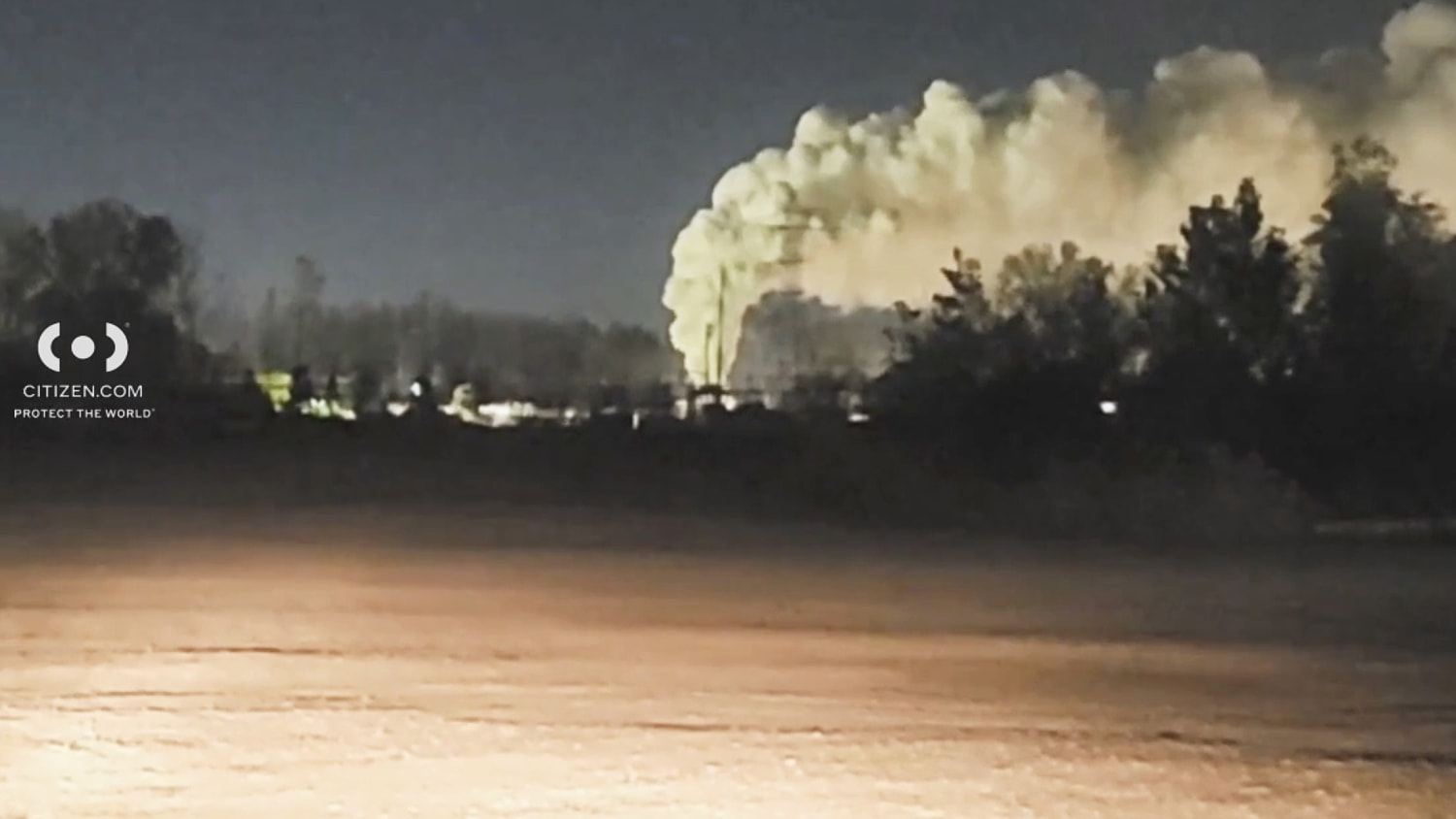
Inside The New York Times AI Image Crisis Nobody Is Talking About
Synthetic visuals have broken the oldest pact in photojournalism. For generations, readers looked at a news photograph and trusted that a lens had met light in a real place at a real moment. Now, The New York Times sits at the center of that fracture—both as one of the sharpest investigative chroniclers of AI images and as an institution whose own visual standards face intense pressure from speed, budget cuts, and industrial-scale synthetic deception.
Coverage of how The New York Times handles AI images usually stops at surface-level policy summaries. It repeats polite talking points about human oversight, obvious labels, and careful editorial judgment.
That misses the real story. Beneath the tidy press releases sits a daily newsroom war over provenance, forensic proof, and commercial contradiction. A newsroom can swear off synthetic news photographs while still running stories about synthetic fakes that accidentally amplify the very falsehoods reporters set out to expose.
The Double Bind of Reporting on Fake Visuals
Investigative reporting on AI images carries a built-in trap. To show readers what a viral synthetic picture looks like, an outlet often has to display it, analyze it, or trace how it spread across social networks.
Even with a clear caption or an AI-generated tag, screens strip context fast. Screenshots get cropped, forwarded into encrypted chats, and detached from the reporting that debunked them.
Think about a hypothetical scenario that plays out constantly in modern visual desks. Suppose a fabricated image of a political standoff or a corporate scandal goes viral before dawn, and a reporter writes a thorough verification piece explaining why the lighting, hands, or background geometry fail basic scrutiny. By noon, rival feeds crop out the warning label and circulate the same image as proof of the claim. The investigation aimed to kill a lie, yet the visual artifact gained new oxygen in the process.
Visual editors at major newsrooms understand this danger better than most outside observers. Every time they publish a synthetic image to illustrate a story about deepfakes or generative software, they weigh exposure against clarity. Showing too little leaves readers guessing what fooled thousands of people online. Showing too much turns the news site into another distribution point for synthetic noise.
Why Forensic Verification Is Harder Than Labels Suggest
Public debates around AI images often treat labeling as a finished cure. Put a tag on a synthetic illustration, attach metadata to a camera file, and trust is supposedly restored.
Reality on the desk is much messier. A real photograph captured by a human photojournalist on a conflict front or disaster zone can still be misattributed, taken out of date, or paired with a false caption. Conversely, a synthetic image can be bad enough to spot at a glance or subtle enough to stump seasoned visual investigators until a tiny physical contradiction gives it away.
Metadata standards such as C2PA and Content Authenticity Initiative frameworks offer real technical value for signing camera files and tracking edit histories. Nobody serious in newsroom R&D pretends cryptographic provenance is a silver bullet. Metadata can be stripped when files pass through messaging apps, ignored by bad actors, or misunderstood by casual readers who assume a missing signature automatically proves fakery—or that an intact signature guarantees truthful context.
Verification Reality: A clean cryptographic signature can help prove where a file came from and how it was edited, yet it cannot by itself verify that a scene was staged, misdated, or pulled from an unrelated event.
That gap explains why visual verification in serious journalism still leans heavily on old-fashioned shoe-leather reporting. Investigators cross-check shadows against sun angles, match architecture and weather against satellite archives, contact eyewitnesses, and trace original uploaders. Technology speeds up the search. Human skepticism still carries the weight.
Inside the Newsroom Split Between Photos and Illustrations
Anyone watching The New York Times closely notices a sharp dividing line between documentary photography and editorial illustration. That split exists for a reason, even when readers lump all pictures together.
- Documentary news photographs: Treat synthetic generation as a cardinal sin. When a photo appears in hard news reporting, readers expect an indexical record of reality, not a machine's statistical guess at what a scene might look like.
- Editorial illustrations and concept art: Operate in a more contested zone. Illustrators have always used metaphor, surrealism, and visual shorthand to frame abstract ideas—from algorithmic bias to economic shifts.
- Investigative explainers: Require surgical precision. When reporters dissect how generative models distort faces, invent crowd scenes, or mimic real photographers, every visual choice has to serve accuracy rather than decoration.
Even within illustration, tension runs high. Photographers and illustrators have spent years watching generative tools train on massive sweeps of creative work without clear consent or compensation. When a legacy publisher debates AI images, it is not merely arguing over pixels. It is arguing over labor, copyright, institutional authority, and what kind of creative ecosystem will survive a decade from now.
Commercial Incentives vs Editorial Guardrails
A newsroom does not live in a vacuum separated from the business side of the building. Major publishers rely on subscriptions, licensing, events, and advertising products to fund expensive reporting teams.
On the editorial side, caution protects credibility. A single high-profile visual blunder—publishing a synthetic image as real, or letting a careless visual frame a sensitive story unfairly—can damage hard-won reader trust overnight.
On the commercial side, automation promises speed, scale, and margin. Advertisers push new creative formats, and ad-tech systems increasingly use machine learning to match campaigns with audiences or streamline production workflows.
| Dimension | Editorial Newsroom Priority | Commercial & Tech Pressure | Resulting Friction |
|---|---|---|---|
| Speed | Verify before publishing so errors do not spread | Ship assets and campaigns quickly at scale | Rush to cover viral fakes can amplify synthetic visuals |
| Provenance | Clear sourcing, human accountability, strict separation of photo vs. art | Automated pipelines and third-party ad/stock assets | Mixed visual ecosystems confuse readers scrolling fast |
| Trust | Long-term reader credibility and factual restraint | Measurable engagement, efficiency, and revenue growth | Readers often judge the whole brand by its weakest visual link |
This tension rarely produces clean villains or simple victories. Editors push back when commercial or technical shortcuts threaten journalistic standards. Business leaders look for ways to stay competitive without eroding the brand's core promise. Watching how The New York Times manages that friction reveals far more about the future of visual media than any single policy memo ever could.
What Readers Miss When Judging News Visuals
Most audiences approach AI images with one of two flawed instincts. Some see one convincing fake and assume every news photo is manipulated. Others trust any polish that looks authoritative.
Neither instinct serves a citizen trying to separate signal from noise. The smarter move is to read visuals the way an experienced photo editor reads a contact sheet: ask who captured or made it, what was left outside the frame, whether the image claims to be a witness or an interpretation, and what independent evidence backs up the story around it.
Standards will keep shifting as generative models grow sharper and cheaper to run. Rules written for early-generation visual glitches already feel dated against newer, cleaner outputs.
What matters most is not pretending synthetic media is going away, nor surrendering real-world reporting to synthetic convenience. Every visual choice a newsroom makes is a test of nerve—and readers are grading every single frame.