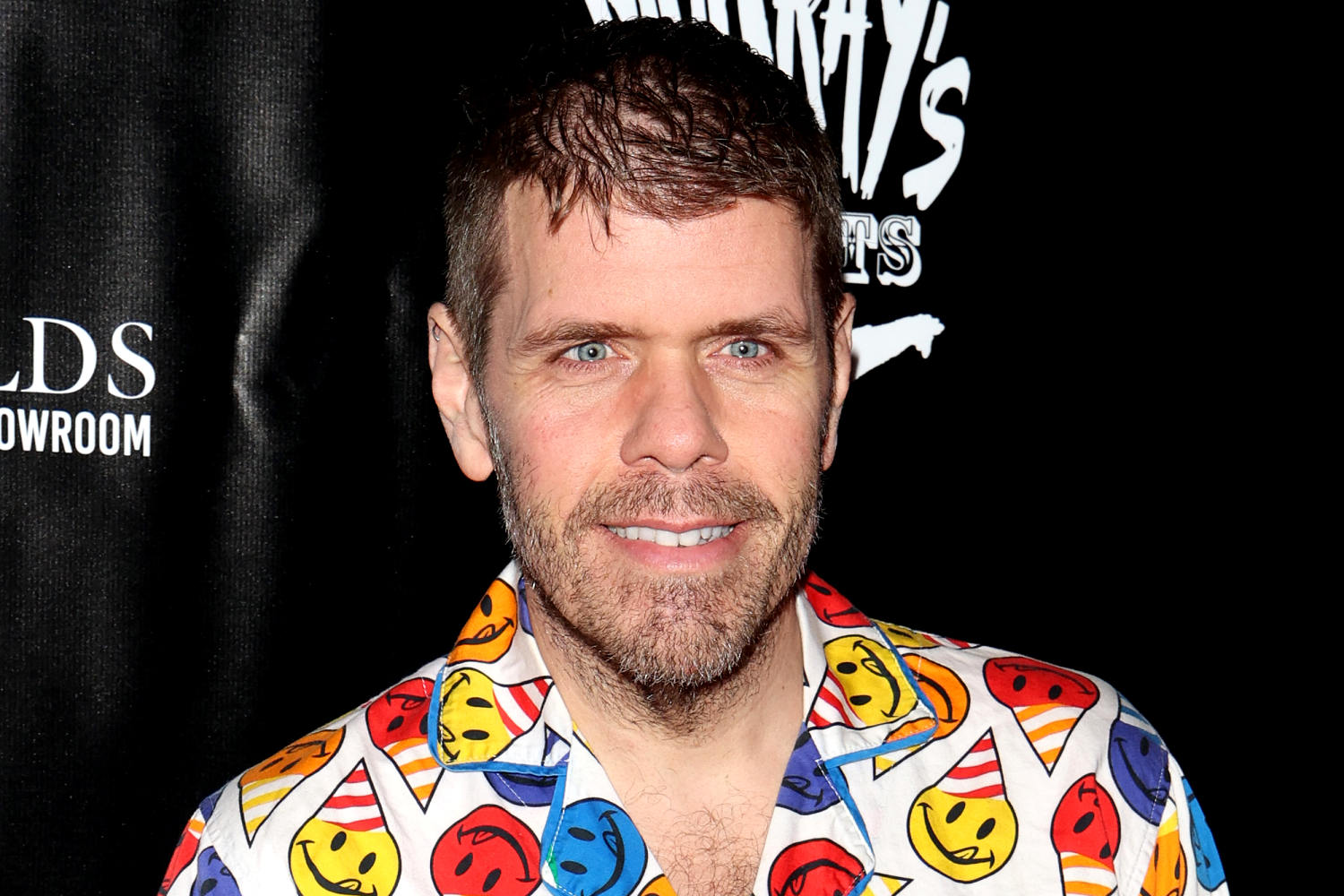
Celebrity gossip pioneer Perez Hilton, legally known as Mario Lavandeira, was rushed to a hospital in Miami following a harrowing, real-time broadcast on TikTok that forced law enforcement and emergency mental health professionals to intervene. The incident unfolded behind closed doors but played out before thousands of digital onlookers, pulling back the curtain on a deeply disturbing intersection of public spectacle, private psychological collapse, and the structural delays of social media moderation.
The Anatomy of a Public Breakdown
Emergency responders arrived at the Miami residence after multiple calls alerted authorities to a live video feed showing Lavandeira in a severely distressed, bloodied state. For roughly fifteen minutes, the stream remained accessible to the public. Automated safety systems flagged the broadcast, yet human moderation queues stalled long enough for the trauma to broadcast globally.
The mechanics of modern streaming platforms rely heavily on automated filters that catch blatant violations of terms of service. When those filters fail or encounter an edge case requiring manual review, seconds stretch into agonizing minutes. Fifteen minutes is an eternity in digital architecture. It is enough time for algorithms to push a shocking video into wider recommendation loops, maximizing engagement metrics precisely while a human life hangs in the balance.
Family members later released guarded statements confirming that Lavandeira was receiving medical care and had regained the capacity to communicate. Yet the peripheral damage extends far beyond the immediate medical evaluation. The incident lays bare the precarious reality of digital figures who built their fortunes on the dismantling of other people's privacy, only to find themselves trapped inside the fishbowl when the culture turned its analytical lens inward.
The Architect of Toxic Gossip Faces the Mirror
To understand the weight of this crisis, one must examine the legacy built during the mid-2000s blog boom. Lavandeira engineered a blueprint for internet notoriety rooted in malicious caricature. Armed with digital screenshots, MS Paint scribbles, and venomous commentary, the original iteration of Perez Hilton targeted young Hollywood starlets, mocking their struggles with addiction, mental health, and personal instability.
It was an era before content warnings or platform accountability. Cruelty functioned as currency. The web rewarded sensationalism with ad revenue, traffic, and cultural dominance. For years, the architect of that cruelty played the role of an untouchable outsider operating from a digital fortress.
Karma is a lazy narrative device used by lazy writers, but systemic consequence is real. Living under a microscope for two decades alters a person's cognitive baseline. The constant friction between the public persona and the private individual creates an unsustainable pressure cooker. When the digital ecosystem that once fed an ego begins to starve it, the psychological fallout can be catastrophic.
The Platform Liability Vacuum
Platforms like TikTok issue standard compliance statements after every catastrophe. They express regret, point to automated flags, and emphasize cooperation with law enforcement. These corporate refrains obscure a glaring operational failure.
Content moderation is underfunded relative to the billions generated in ad revenue by user attention. When a broadcast involves self-harm, every single minute of algorithmic delay increases the risk of imitation and deepens the psychological trauma inflicted upon unsuspecting viewers.
- Automated flags catch keywords and visual triggers.
- Human moderators bottleneck under mountainous volume.
- Algorithmic distribution loops amplify shocking content to maximize screen time.
This triumvirate of platform design creates a systemic hazard. Companies cannot escape liability by claiming a technical glitch delayed a takedown. If an infrastructure is engineered to prioritize engagement above safety, emergencies will routinely outpace corporate response times.
The Cost of Visibility
The physical and psychological toll on public figures who refuse to exit the stage is mounting. Lavandeira’s recent medical history has been marked by extreme health scares, including severe infections and vascular complications. Adding acute mental health crises to a body already worn thin by years of high-stress notoriety paints a bleak picture of aging in the digital public square.
We have built a culture that consumes human vulnerability as entertainment. When a pioneer of toxic internet gossip becomes the casualty of digital exposure, the spectacle invites schadenfreude from the very public he once trained to be ruthless.
The ambulance sirens outside the Miami home signal more than an isolated emergency. They mark the inevitable friction point where the internet's insatiable appetite for content collides with the fragile reality of human endurance.
If you or someone you know is struggling or in crisis, help is available. In the United States, you can call or text 988 or chat at 988lifeline.org to reach the Suicide & Crisis Lifeline.