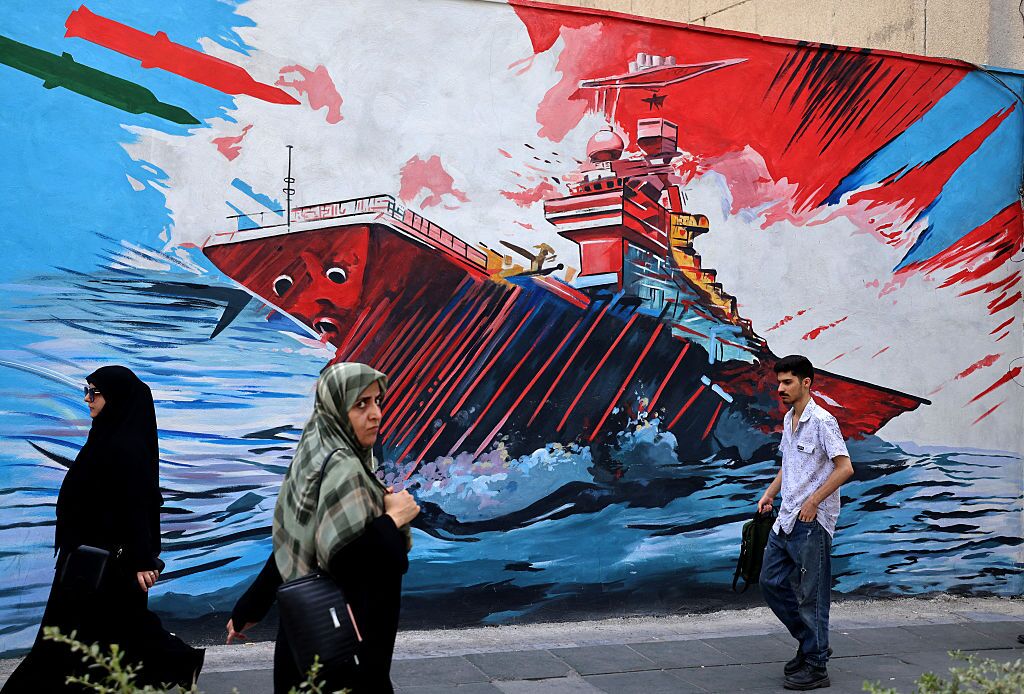
The Bab el-Mandeb Strait has transformed into a high-stakes arena where military deterrence and global supply chain resilience collide. What began as localized maritime harassment has metastasized into a sustained exchange of naval strikes and anti-ship missile fire between allied forces and Houthi militants supported by Iranian intelligence. This high-risk maritime choke point handles roughly 12% of global trade and nearly 30% of global container traffic. When hostilities spike here, the immediate consequence is not just tactical marine defense—it is a systemic shock to global shipping routes, energy markets, and retail supply chains worldwide.
The Mechanics of a Choke Point Under Fire
Naval supremacy in open water does not translate neatly to narrow maritime passages. The Bab el-Mandeb Strait measures just 18 miles across at its narrowest point, bound by Yemen on the Arabian Peninsula and Djibouti and Eritrea in the Horn of Africa. This geographic constraint turns commercial vessels into predictable targets for asymmetric warfare.
Houthi forces utilize an array of low-cost, high-impact weaponry to threaten commercial transit:
- Anti-Ship Cruise Missiles (ASCMs): Low-flying projectiles designed to bypass standard radar detection by skimming the water surface.
- Anti-Ship Ballistic Missiles (ASBMs): High-velocity weapons fired on a steep trajectory, hitting targets from above at extreme speeds.
- Unmanned Aerial Vehicles (UAVs): Loitering munitions used both for direct explosive strikes and for scouting commercial vessel positions.
- Unmanned Surface Vessels (USVs): Remote-controlled, explosive-laden boats aimed at ship hulls at water level.
Intercepting these threats requires advanced air defense systems. Allied naval vessels rely on multi-layered defenses, launching interceptor missiles like the SM-2, SM-6, and Sea Viper. The fundamental economic imbalance of this engagement is stark. A defense vessel routinely fires a guided interceptor costing upwards of $2 million to neutralize an offensive drone that costs less than $20,000 to construct.
This financial asymmetry creates a operational strain. Stockpiles of specialized precision munitions are finite, and naval operations cannot sustain continuous defense salvos indefinitely without regular resupply and rotation.
The Cascade Effect on Global Logistics
When maritime security degrades in the Southern Red Sea, shipping companies face a binary choice with significant financial repercussions. They can either brave the waterway while absorbing massive war-risk insurance premiums, or bypass the Suez Canal entirely by rerouting around the Cape of Good Hope at the southern tip of Africa.
Standard Route via Suez Canal:
Rotterdam <---> Bab el-Mandeb <---> Malacca Strait
Distance: ~8,400 nautical miles
Transit Time: ~25-27 days

Alternative Route via Cape of Good Hope:
Rotterdam <---> Cape of Good Hope <---> Malacca Strait
Distance: ~11,700 nautical miles
Transit Time: ~35-38 days
Rerouting around Africa adds roughly 3,300 nautical miles to a voyage between Asia and Northern Europe. That extra distance translates to 10 to 14 additional days at sea.
The logistical friction spreads rapidly across several areas:
Fuel Consumption and Emissions
A container ship traveling at service speed burns tens of metric tons of heavy fuel oil daily. Adding two weeks to a round trip significantly increases fuel expenditures per voyage. Furthermore, shipping lines must burn additional fuel to maintain transit schedules, driving up operational costs and fleet emissions.
Vessel and Container Imbalances
Longer transit times effectively reduce global shipping capacity. When ships spend extra time navigating around Africa, they spend less time loading and unloading at ports. Vessels arrive out of sequence, causing severe port congestion in major hubs like Singapore, Rotterdam, and Hamburg. Empty containers become stuck on ships extended at sea rather than returning to manufacturing centers in Asia, triggering localized equipment shortages.
Freight Rate Volatility
Spot rates for ocean freight tend to skyrocket during prolonged Red Sea disruptions. Shippers pass these increased costs—including emergency bunker surcharges and peak season adjustments—directly down the supply chain to importers and consumers.
| Transport Metric | Suez Canal Transit | Cape of Good Hope Divert | Net Operational Impact |
|---|---|---|---|
| Transit Time (Asia-Europe) | 25-28 Days | 35-42 Days | +30-40% delay in cargo delivery |
| Fuel Burn (Per Voyage) | Standard Baseline | +30% Total Volume | Sharp increase in voyage expenditure |
| Insurance Premiums | High (War-Risk Zone) | Standard Baseline | Shifts risk from vessel damage to transit delay |
| Container Availability | Equilibrium | Severe Deficit | Shortages at origin ports in Asia |
Regional Escalation and the Limits of Maritime Power
Military strikes aimed at neutralizing launch pads, radar installations, and weapon storage facilities inside Yemen demonstrate the limits of pure air supremacy against decentralized forces. Anti-ship weaponry can be hidden in underground bunkers, mobile launch trucks, and rugged terrain. Destroying static sites rarely eliminates the mobile capabilities required to launch sporadic, high-visibility attacks against passing tankers.
Intelligence support plays a crucial role in these strike operations. Surveillance vessels anchored offshore provide target acquisition data to coastal missile batteries. Neutralizing this target pipeline requires comprehensive signals intelligence and persistent maritime patrol, extending the scope of engagement far beyond simple escort duties.
Relying entirely on naval escorts presents operational hurdles:
- Volume Constraints: Hundreds of commercial vessels attempt to pass through the strait weekly. Warships cannot provide dedicated, close-in hull protection to every vessel.
- Engagement Rules: Escalation protocols require positive identification before firing, whereas asymmetric operators take advantage of commercial traffic density to hide their preparations.
- Diplomatic Friction: Regional nations along the Red Sea coast balance complex domestic political priorities against international security alignments, often limiting direct basing rights and intelligence sharing.
Strategic Adaptation in Modern Supply Chains
The ongoing instability along this critical water highway forces a permanent shift in how multinational corporations manage inventory and movement. The traditional "just-in-time" supply model, which relied on predictable, uninterrupted transit schedules, is being replaced by "just-in-case" inventory strategies.
Companies are diversifying transit modes to hedge against prolonged maritime chokepoint closures:
- Sea-Air Freight Bridge: Shipping goods by sea to ports in the Persian Gulf, then flying them directly to European or North American destinations to bypass the Red Sea altogether.
- Intercontinental Rail: Utilizing overland rail corridors across Eurasia for high-value components, despite geopolitical constraints along Northern transit routes.
- Nearshoring and Regional Sourcing: Moving manufacturing facilities closer to end markets to reduce reliance on long-distance maritime corridors.
The dynamic along the Bab el-Mandeb proves that modern economic infrastructure remains vulnerable to targeted asymmetric disruption. Weaponized low-cost technology paired with favorable geography can disrupt international commerce, forcing global operations to adapt to persistent instability along crucial trade routes.