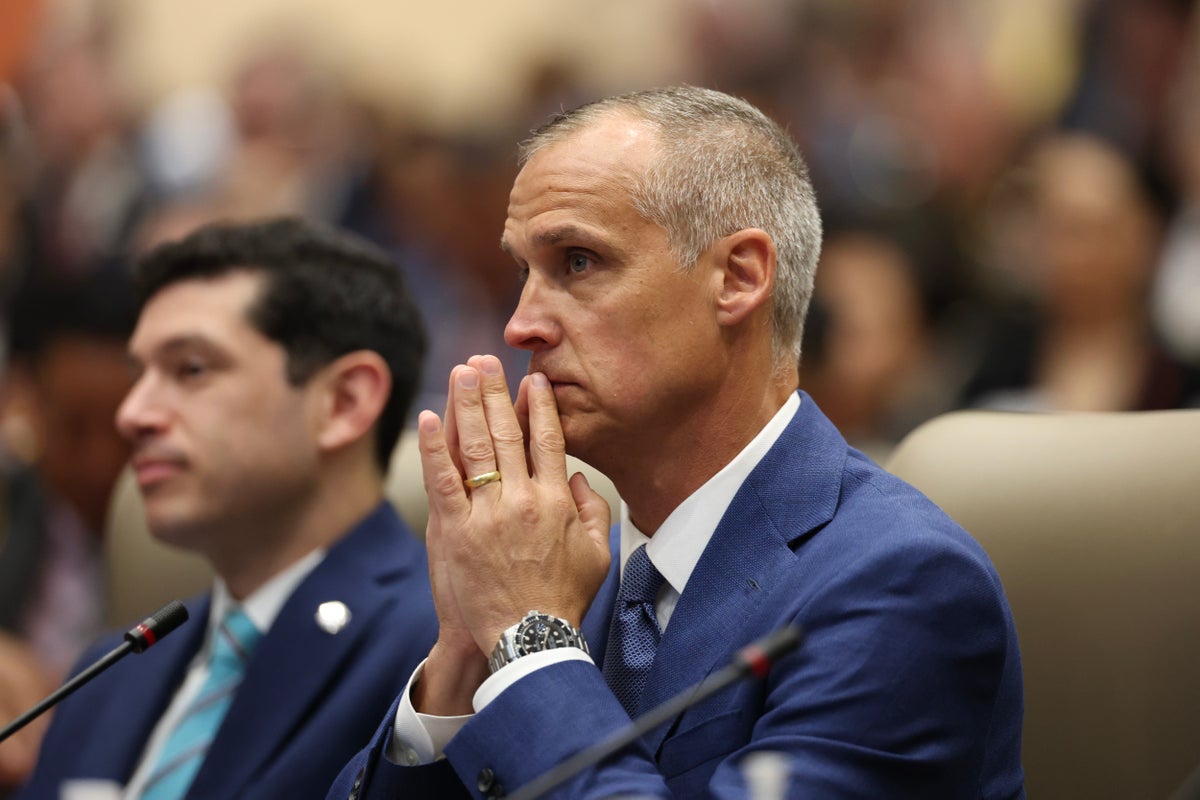
When Corey Lewandowski approached senior diplomats from Qatar and the United Arab Emirates with a proposal to hire him on the side, foreign officials experienced a rare moment of genuine confusion. Here was an unelected adviser operating as the de facto head of the Department of Homeland Security—wielding immense authority over multibillion-dollar enforcement contracts, immigration policies, and port security—hawking private consulting services to foreign governments.
The pitch was straightforward yet staggering in its ethical breach. Lewandowski allegedly suggested that Doha and Abu Dhabi retain him privately to navigate bureaucratic roadblocks within the very agency he helped manage, specifically pointing to visa processing and departmental jurisdiction. Both Gulf nations rebuffed the approach, stunned that a senior American official would so brazenly monetize access to state power.
This episode, brought to light by a sweeping internal and journalistic investigation into his tenure alongside former DHS Secretary Kristi Noem, illustrates more than just personal greed. It exposes structural vulnerabilities in how executive branch agencies are run when political loyalty supersedes statutory oversight. The mechanism of the "special government employee" designation, originally designed to bring brief technical expertise into government, was warped into an instrument for shadow governance and personal networking.
The Mechanics of Shadow Control
Understanding how Lewandowski acquired such vast unchecked influence requires looking past the headlines and examining the administrative vacuum left inside the department during Noem's turbulent tenure. While Noem occupied the official seat of power, internal accounts describe Lewandowski functioning as the primary gatekeeper and operational director.
Billions of dollars in border security appropriations flowed through the agency, accompanied by massive expansions in detention infrastructure and technology procurement. Contractors seeking multi-year deals found themselves navigating an improvised hierarchy where traditional career civil servants were sidelined. Instead, decisions were increasingly funneled through political appointees and special government employees whose accountability to ethics watchdogs remained porous at best.
Federal contracting records show how this shadow management distorted normal market behavior. Major corporate players spent weeks negotiating massive procurement agreements, only to watch documents stall indefinitely on executive desks until key confidants intervened. By inserting loyalists into pivotal oversight positions, the leadership core created a closed loop where external scrutiny was minimized, and internal dissent was neutralized.
The Foreign Policy Hazard
The attempt to solicit business from Qatar and the United Arab Emirates crosses from domestic administrative dysfunction into a severe national security hazard. Foreign policy in Washington is traditionally executed through established diplomatic channels, Department of State protocols, and formal intelligence sharing agreements.
When a high-ranking immigration and homeland security official pitches foreign adversaries or strategic partners for private side-deals, it introduces dangerous conflicts of interest. Gulf states maintain complex, multifaceted relationships with the United States, involving sensitive intelligence exchanges regarding regional counterterrorism and aviation security. If a top official at the agency responsible for vetting foreign nationals entering the country is simultaneously seeking commercial contracts from those same foreign governments, the integrity of national security vetting collapses.
Diplomats from the region recognized the inherent danger—and potential illegality—of the arrangement. By rejecting the overtures, foreign officials effectively shielded American institutions from an even deeper compromise, though the damage to the department's institutional credibility had already been sustained.
The Accountability Void
As internal watchdogs pore over travel logs, procurement records, and personnel choices, the defense mounted by Lewandowski's representatives relies on blanket denials. Legal counsel has insisted that he maintained no formal authority over contract approvals and never sought compensation from foreign entities while volunteering his time.
Yet these denials ignore the reality of informal power in modern Washington. In federal agencies, explicit signature authority is rarely required to shape outcomes. Control over meeting schedules, document flow, and the tacit backing of a cabinet secretary provides all the leverage necessary to direct outcomes and signal preferences to subordinates.
The broader fallout extends far beyond individual actors. It demonstrates how easily oversight mechanisms can be bypassed when administrative norms are treated as optional guidelines rather than legal boundaries. As congressional inquiries mount and inspector general reviews dig deeper into the wreckage of Noem's department, the episode stands as a cautionary study in institutional capture.
Power concentrated outside the lines of formal accountability rarely serves the public interest. When the boundaries separating public stewardship from private enterprise are erased, the state becomes just another market waiting to be exploited.