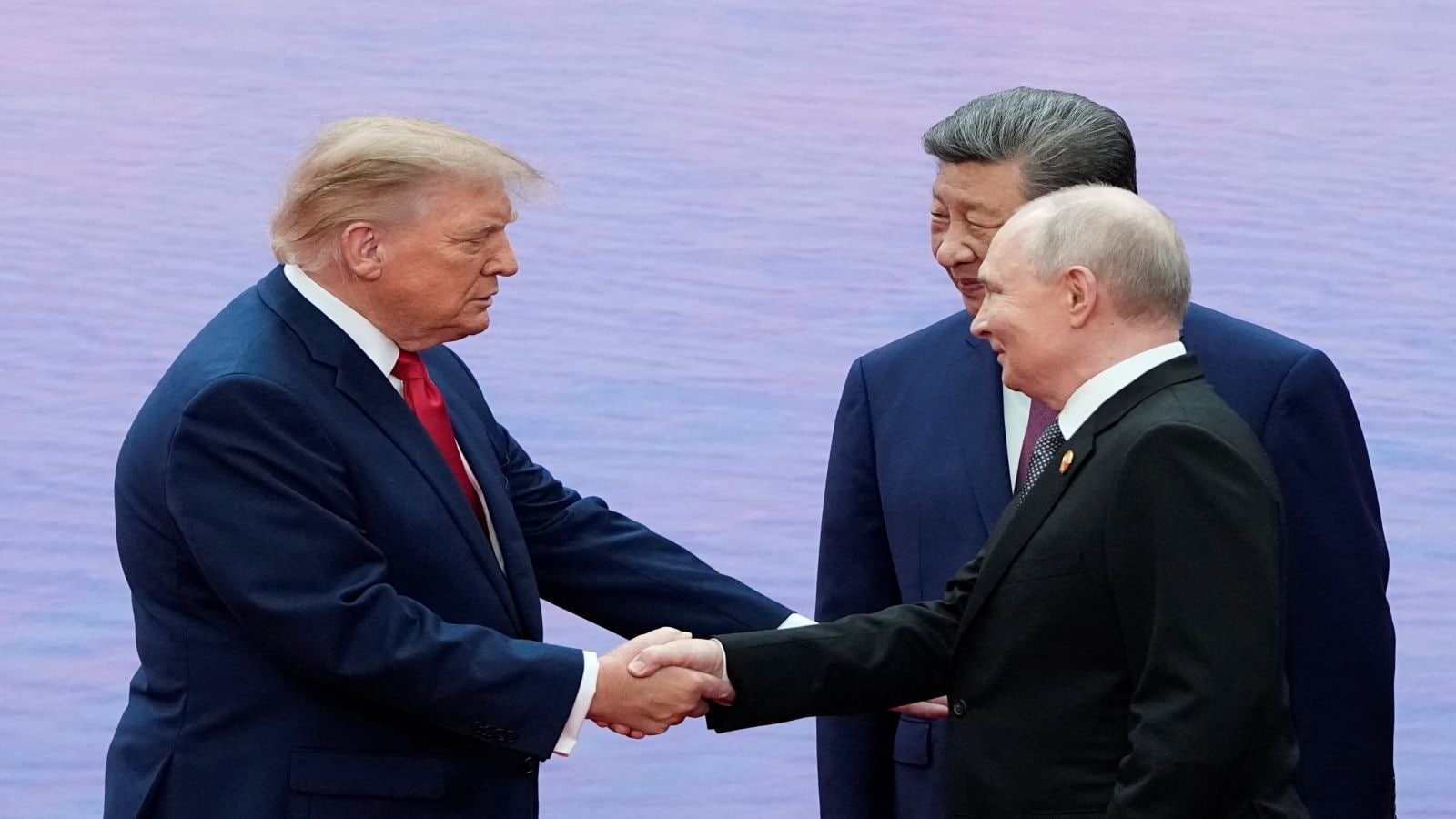
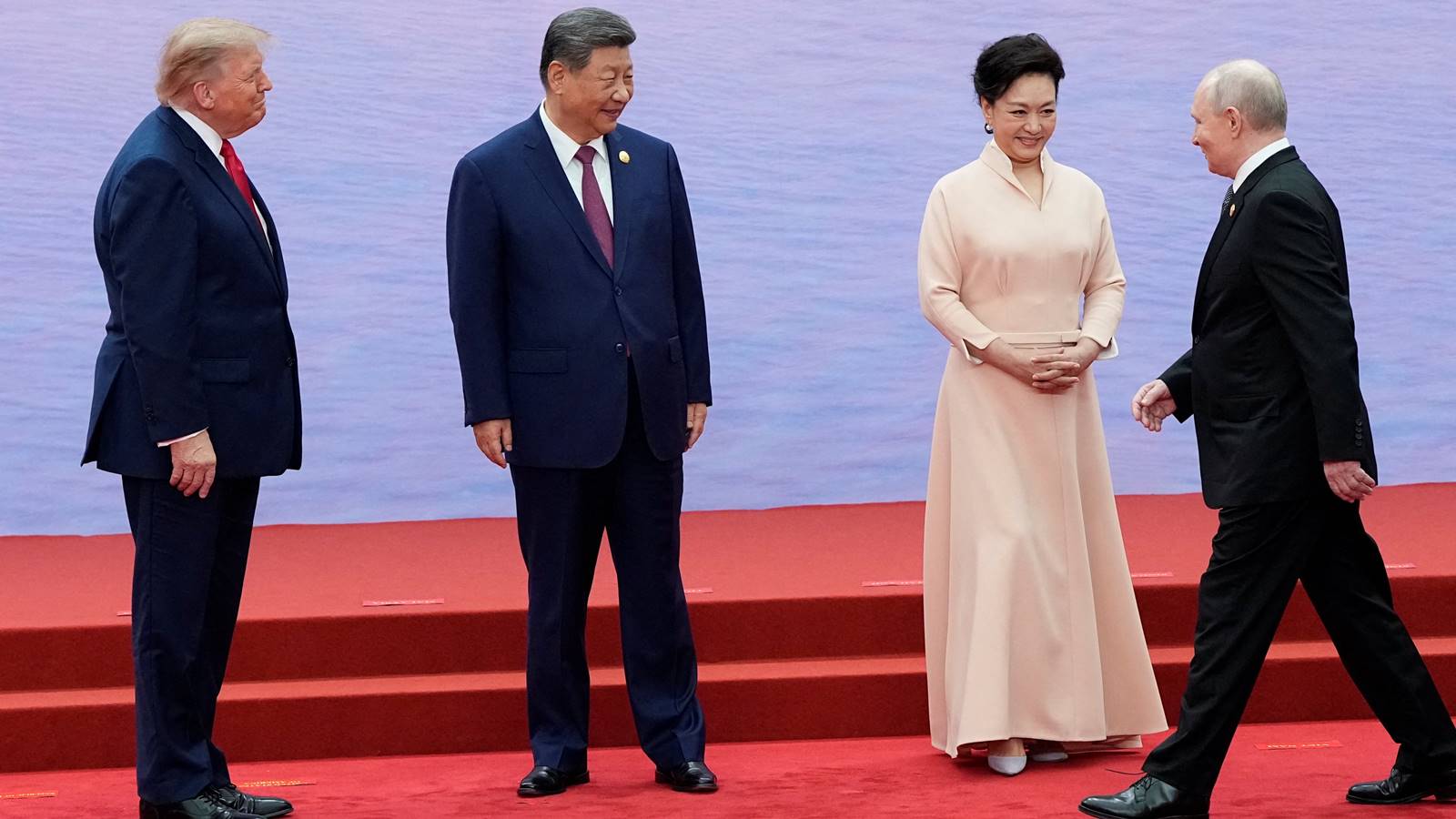
When Chinese President Xi Jinping called Russia ties a "source of stability" ahead of the November 19, 2026 trilateral summit in Shenzhen with Russian President Vladimir Putin and U.S. President Donald Trump, he was selling a carefully choreographed illusion. Stability implies durability, mutual restraint, and predictable rules. What actually unfolded on the sidelines of the Asia-Pacific Economic Cooperation gathering was a high-stakes convergence of three leaders managing severe domestic and external pressures—each using the trilateral table to project strength while leaving core conflicts unresolved.
A surface reading of the summit treats Beijing and Moscow's alignment as an unbreakable bloc anchoring global order. Veteran diplomats and trade analysts know better. Behind the rhetoric of shared responsibility and World War II victory legacies sits a transactional partnership riddled with asymmetries, sanctions workarounds, and divergent strategic priorities.
Why Stability Is Beijing's Preferred Script
Beijing rarely uses words by accident. Framing Russia ties as a stabilizing anchor serves two immediate goals for Xi Jinping ahead of a historic three-way meeting with the American and Russian presidents. First, it signals to Washington that China enters trilateral bargaining backed by a willing geopolitical partner rather than standing isolated under export controls and tariff pressure. Second, it reassures nervous capitals across the Global South that major-power friction will not spiral into unchecked escalation.
Yet calling that alignment a "source of stability" stretches the definition past breaking point. A partnership built heavily on wartime energy trade, defense coordination, and shared grievances against Western sanctions is reactive by nature. When Moscow's war in Ukraine drags into its fifth year and Washington faces grinding entanglements tied to the conflict with Iran, mutual convenience often masquerades as long-term order.
Consider a hypothetical example of how fragile such diplomatic framing can be in practice. Suppose a regional central bank relies on bilateral clearing channels between Beijing and Moscow to settle energy invoices while Western secondary sanctions tighten around maritime insurance. One sudden compliance audit or shipping ban can freeze liquidity overnight, exposing how much "stability" depends on informal workarounds rather than institutional resilience.
What the Shenzhen Declaration Actually Delivered
The four-point Declaration toward Peace issued by Trump, Xi, and Putin sounded sweeping on paper. It touched on United Nations reform, refined petroleum production and supply, nuclear risk reduction, and pushback against perceived overreach by bodies such as the International Criminal Court. Look closer, though, and the gaps stand out sharply.
- No binding nuclear arms control: With the New Start treaty having expired in February and strategic arsenals expanding, general talk of lowering nuclear risks falls well short of verifiable limits or inspection regimes.
- Silence on active flashpoints: Ukraine received no breakthrough in the trilateral statement, and the Middle East conflict involving Iran remained largely outside formal joint commitments.
- Vague energy assurances: Pledges to support refined petroleum supply help ease political anxiety over fuel costs, yet they carry no enforceable production quotas or immunity from sanctions and shipping disruptions.
- Targeted pushback on international justice: Language criticizing bodies like the International Criminal Court directly serves Moscow's interest given the warrant outstanding against Putin, while aligning with long-standing sovereignty arguments in Beijing and Washington.
Critics from smaller states have a fair counter-argument. Having the leaders of the world's top nuclear and economic powers in one room—even for a tightly managed session—can reduce miscalculation risks during moments of acute tension. Dialogue beats silence when misread signals could trigger military escalation. Still, a photo op and a four-point communique do not erase deep structural rivalry over semiconductors, trade rules, and regional spheres of influence.
| Summit Pillar | Stated Objective | Practical Reality | Key Winner or Beneficiary |
|---|---|---|---|
| Nuclear Risk | Reduce escalation among major nuclear powers | No new treaty, caps, or verification framework announced | All three gain diplomatic breathing room without binding limits |
| Petroleum Supply | Expand production and flow of refined fuel | No binding output targets; sanctions and transit bottlenecks persist | Energy exporters and fuel-importing economies seeking price relief |
| International Institutions | Reform UN effectiveness and curb court overreach | No concrete Security Council expansion timetable or charter overhaul | Putin gains rhetorical cover against war-crimes accountability |
| Major-Power Ties | Project calm ahead of broader negotiations | Trade truce deadlines and chip disputes loom right behind the talks | Putin and Xi lock in high-level parity at the table |
The Asymmetric Math Behind Russia Ties
Anyone tracking Russia ties over the past decade knows the power balance has shifted decisively toward Beijing. Moscow brings vast energy reserves, diplomatic veto power, and military experience, yet its economy faces heavy wartime strain and narrower technological options. China brings industrial scale, manufacturing depth, and financial weight that dwarf Russia's current leverage.
That imbalance creates quiet friction beneath public displays of warmth. Beijing wants a predictable neighbor on its northern flank and cheap commodities, not a permanent entanglement that drags Chinese firms into secondary sanctions or alienates key export markets. Moscow wants diplomatic legitimacy, buyers for energy and raw materials, and counterweight pressure against Washington.
Regional Ripples Beyond the Big Three
Trilateral optics inevitably unsettle capitals left outside the room. In Shenzhen, the contrast between high-profile treatment for the trilateral leaders and a frosty reception for Japanese Prime Minister Sanae Takaichi—including the lack of a formal bilateral meeting with Xi amid disputes over Taiwan—underscored how Beijing uses summitry to reward or punish. For countries like India, which sits outside APEC and balances defense, energy, and trade across all three major powers, backroom declarations among the top three carry both relief and caution.
A purely cynical reading would dismiss the Shenzhen gathering as empty theater. That misses the tactical value each leader extracted. Putin stood shoulder-to-shoulder with the leaders of the United States and China rather than looking sidelined. Xi hosted a landmark summit on home turf while keeping pressure on regional rivals. Trump claimed historic engagement while keeping follow-up leverage alive for future talks.
What Comes After the Summit Optics
Diplomatic communiques rarely settle hard disputes over export controls, territorial security, or industrial supply chains. With the U.S.-China trade truce nearing its January 10, 2027 expiration window and further high-level gatherings like the Group of 20 summit in Miami approaching in mid-December 2026, the real test of Shenzhen begins only after the cameras leave.
Watch the enforcement details on semiconductor restrictions, rare-earth supply chains, and oil shipping insurance rather than the polished phrases on stability. Those concrete levers—not warm pre-summit slogans—will show whether the Shenzhen talks moved the needle or simply bought time.