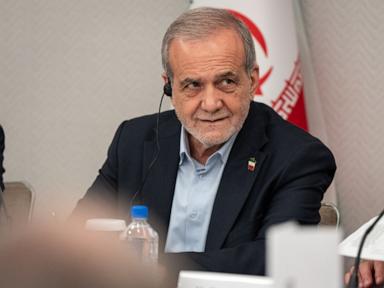
Iranian President Masoud Pezeshkian recently defended the shaky bilateral memorandum of understanding brokered with Washington as the sole viable escape hatch from a paralyzing geopolitical stalemate. Months into a punishing direct conflict with the United States and Israel, Tehran finds itself trapped in a dangerous twilight zone of neither total war nor functional peace. The initial sixty-day negotiation window, designed to transform a temporary diplomatic truce into a permanent architectural accord, expired with its core pillars fractured.
Beneath the diplomatic theater lies a much harsher economic and strategic reality. Understanding why this framework is stalling requires looking past official state rhetoric and examining the concrete choke points holding global energy markets hostage. If you enjoyed this article, you might want to check out: this related article.
The Anatomy of a Stalled Truce
When the high-stakes memorandum was signed under international mediation, optimists heralded it as a rare off-ramp from a catastrophic trajectory. Yet the core architecture of the document contained structural contradictions from its inception. The agreement tied the immediate cessation of hostile maritime blockades to phased concessions on nuclear enrichment and regional security, creating a classic chicken-and-egg dilemma.
Washington demanded absolute assurances regarding the Strait of Hormuz, the narrow maritime corridor through which a massive percentage of global oil consumption flows. Tehran, facing ongoing financial restrictions and lingering naval pressures, viewed that same corridor as its primary geopolitical leverage. For another angle on this story, check out the latest update from NPR.
- The sixty-day deadline lapsed without a compromise on commercial shipping security.
- Hardline factions within Iran's security apparatus immediately rejected perceived compromises on sovereign enrichment rights.
- Regional proxies and surrounding states watched nervously as economic warfare threats escalated anew.
Capital hates uncertainty. Iranian leadership recognizes that foreign investment cannot flow back into domestic infrastructure while tankers remain under threat and secondary sanctions loom large. Pezeshkian’s public defense of the document is less an endorsement of American terms than an urgent cry of alarm from an administration watching its foreign reserves bleed out.
Economic Choke Points and Domestic Fracture
The financial burden of the ongoing confrontation has pushed Iran’s internal markets to a breaking point. A stringent naval blockade has strangled petroleum exports, the historic lifeblood of the state budget. Inflation rates continue to spiral, eroding the purchasing power of the working class and triggering periodic domestic unrest that forces the security state to clamp down internally.
Dissent within the corridors of power is growing louder. While the executive branch argues for diplomatic pragmatism to save the national economy, hard-line military figures counter with threats of regional retaliation. This internal friction exposes a fractured state incapable of speaking with one voice.
When security chiefs openly threaten neighboring nations for cooperating with Washington's financial measures, they actively undermine the fragile goodwill that diplomats spend weeks trying to cultivate.
The Regional Spillover Effect
Diplomacy rarely happens in a vacuum. The friction between Washington and Tehran continues to send shockwaves across the wider Middle East, compounding humanitarian tragedies in Gaza and fueling instability throughout the West Bank. Regional intermediaries, including Pakistan and several Gulf states, find their mediation efforts repeatedly stymied by sudden escalations on the ground.
Every localized security incident acts as a stress test for the broader memorandum. If a single airstrike or maritime interception can derail weeks of quiet back-channel talks, the entire peace architecture rests on foundations of sand.
The standoff persists not because leaders lack paths forward, but because the domestic political cost of walking down those paths remains unacceptably high for both sides. Tehran is cornered, weighing the humiliation of compliance against the slow suicide of total isolation, while Washington weighs the risks of renewed conflagration against the price of an unfulfilled diplomatic promise.


