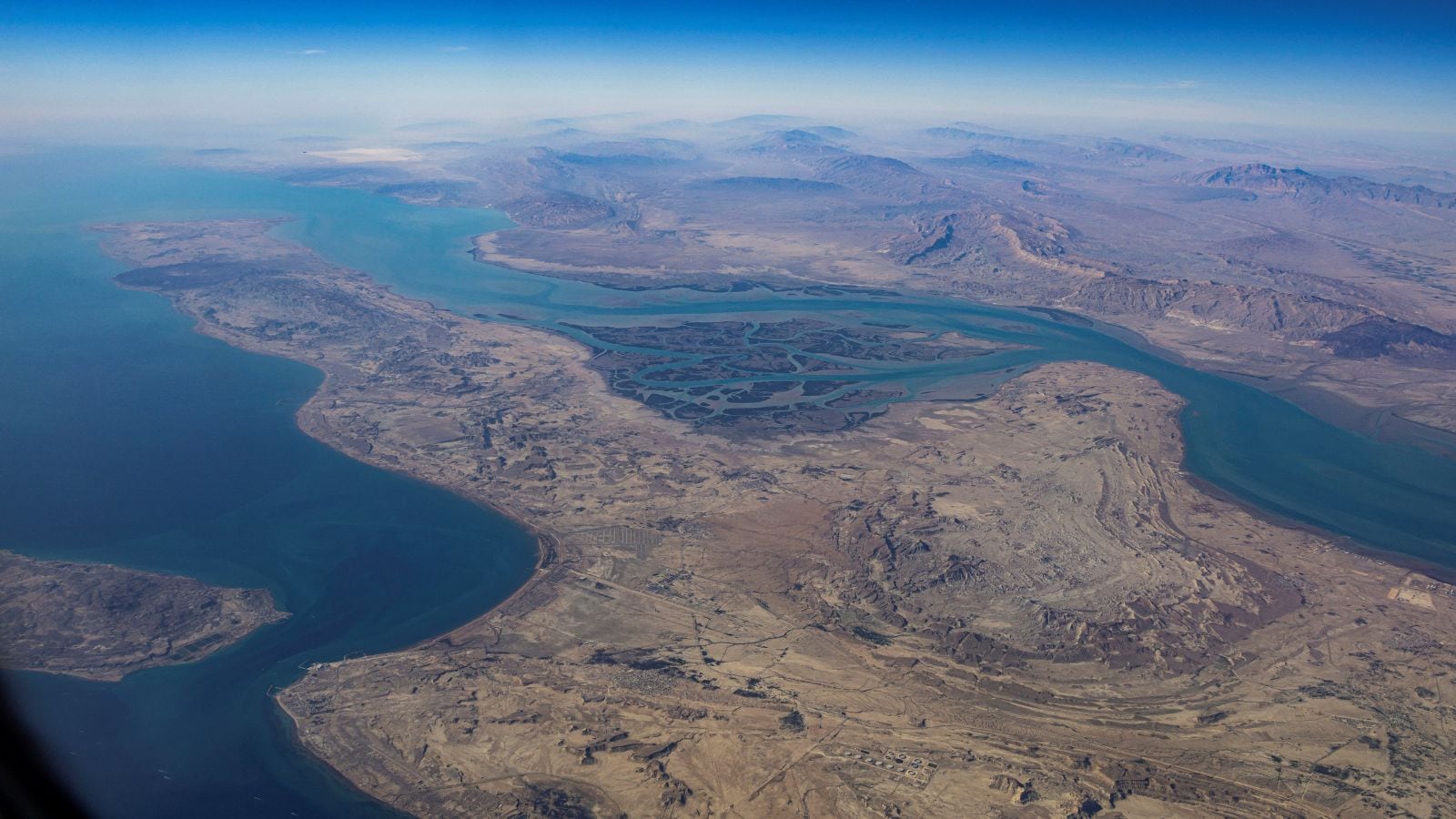
When Tehran announces that four commercial tankers have been struck by explosions in the Strait of Hormuz, the global energy market reacts before a single salvage tug reaches the water. Crude futures spike. Maritime insurers scramble to rewrite war-risk riders. Yet beneath the immediate panic lies a calculated operational reality that surface-level breaking news routinely misses.
These attacks are rarely random acts of maritime chaos. Instead, they represent calibrated asymmetric pressure designed to exploit the exact vulnerabilities of modern global trade without triggering an all-out conventional war.
To understand what happens when hulls breach in this 21-mile-wide chokepoint, you have to look past the smoke on the horizon and examine the mechanics of naval warfare, maritime insurance, and geopolitical brinkmanship.
The Anatomy of a Modern Maritime Strike
The Strait of Hormuz is an unforgiving piece of geography. At its narrowest point between Oman and Iran, the shipping lanes for inbound and outbound supertankers are each just two miles wide, separated by a two-mile buffer zone.
When explosions hit four vessels in rapid succession within this corridor, naval intelligence analysts immediately look at the blast signature. A high-explosive warhead from an anti-ship ballistic missile leaves a catastrophic, unmistakable crater above the waterline, often igniting the cargo and threatening to sink the vessel. That is an act of open warfare.
Limpet mines and explosive-laden unmanned surface vessels (USVs) tell a different story.
A limpet mine attached to a hull near the waterline, or a low-profile drone boat packed with shaped charges, is engineered for controlled lethality. The goal is usually not to sink a Very Large Crude Carrier (VLCC) carrying two million barrels of oil. Sinking a tanker creates an environmental catastrophe that alienates even neutral trading partners and invites overwhelming military retaliation.
Instead, the objective is to disable the rudder, rupture a ballast tank, or spark an engine-room fire. The vessel stops dead in the water. The crew evacuates safely. The headlines scream of regional instability, and the point is made without crossing the fatal threshold into full-scale conflict.
Consider a hypothetical scenario involving a standard Aframax tanker transiting the Gulf of Oman just outside the strait. If an explosive charge detonates three feet below the waterline amidships, the double-hull construction—mandated globally after the Exxon Valdez disaster—will likely prevent an oil spill. The outer hull absorbs the kinetic shock, flooding the void space between the steel plates. The ship lists slightly, loses propulsion, and requires an expensive tow to Fujairah. Nobody dies, not a drop of crude hits the ocean, yet the commercial disruption is absolute.
Why Tehran Plays the Messenger
The framing of the initial report—that Iran itself is announcing the explosions—carries immense strategic weight. In asymmetric maritime conflict, information control is just as potent as naval hardware.
Historically, when vessels suffer mysterious explosions in the Persian Gulf, Western intelligence agencies spend days gathering forensic evidence from hull fragments and radar tracks before issuing formal attributions. By stepping forward first to report the incidents, Iranian state media accomplishes two distinct goals simultaneously.
First, it seizes narrative dominance. Broadcasting the vulnerability of international shipping lanes right off its coast serves as an implicit reminder of Tehran's geographic leverage, even while official statements express concern for maritime safety or blame external actors for destabilizing the region.
Second, it introduces plausible deniability. In the murky waters of the Gulf, attributing an attack with 100 percent legal certainty is notoriously difficult. Mines can drift. Radar signatures of small fiberglass skiffs blend into the sea clutter of thousands of local fishing dhows. By framing the event as an alarming security failure in the region rather than claiming credit, Tehran forces Washington, London, and regional capitals into a defensive posture. They must prove culpability while dealing with the immediate economic fallout.
The Invisible Chokehold of Maritime Insurance
Most observers focus on naval destroyers and fighter jets when tensions flare in the Middle East. Veterans of the shipping industry watch the underwriters in London.
A supertanker does not move without insurance. Specifically, it requires Protection and Indemnity (P&I) coverage for third-party liabilities and Hull and Machinery coverage for the physical ship. When explosions rock the Strait of Hormuz, the Joint War Committee—a group of underwriters from the Lloyd's Market Association and the International Underwriting Association—immediately reviews the region's risk rating.
When the Persian Gulf and the Gulf of Oman are designated as listed areas for war risk, the financial math of global energy changes overnight.
- War-Risk Premiums Skyrocket: Before a crisis, additional war-risk premiums might cost a tiny fraction of a vessel's hull value. Following multiple tanker strikes, those premiums can surge tenfold within 48 hours, adding hundreds of thousands of dollars to the cost of a single seven-day voyage.
- Charter Party Disputes Erupt: Shipowners and charterers immediately clash over contract clauses. Standard maritime contracts, such as the BIMCO War Risks Clause, allow a ship's master to refuse entry into a zone deemed dangerously hostile.
- Freight Rates Spike: With fewer owners willing to risk their assets, the supply of available tankers tightens instantly. Daily charter rates for VLCCs jump, passing the cost directly onto refineries in Asia and Europe.
You do not need to blockade the Strait of Hormuz with warships to shut down oil exports. You only need to make the insurance premiums so prohibitive that commercial operators refuse to sail. Four damaged tankers can achieve economically what a naval fleet would struggle to accomplish militarily.
Who Actually Absorbs the Shock
A persistent myth in financial media is that any disruption in the Strait of Hormuz hits American gas pumps with equal severity. The reality of global energy flows is far more lopsided.
Roughly 20 percent of the world's petroleum liquids consumption passes through this narrow waterway—upward of 20 million barrels per day. However, the vast majority of that crude does not head west toward the Atlantic. According to energy transit data, over 80 percent of the crude oil and condensate moving through Hormuz is bound for Asian markets.
China, India, Japan, and South Korea are the primary customers.
This creates a profound geopolitical dilemma for any state disrupting transit through the strait. Aggressive maritime interdiction directly punishes the very Asian economies that serve as vital trade partners and diplomatic buffers for Gulf states and Iran alike.
When four tankers are hit, Beijing takes notice immediately. Chinese refiners rely heavily on Middle Eastern crude, and spikes in freight rates or supply delays directly threaten their domestic industrial margins. Consequently, diplomatic pressure behind closed doors in Tehran often comes just as fiercely from Beijing as it does from Washington, though it is delivered through entirely different channels.
The Limits of Naval Escorts
Whenever tankers burn in the Gulf, calls inevitably rise for international naval coalitions to escort commercial shipping. On paper, deploying guided-missile destroyers to shepherd oil tankers looks like an airtight solution. At sea, the execution is deeply flawed.
Modern naval destroyers are built to fight high-end wars against ballistic missiles, submarines, and supersonic aircraft. Using a two-billion-dollar warship to babysit a slow-moving crude carrier against cheap, expendable threats is a losing economic proposition.
Swarm tactics present an acute operational headache. The Islamic Revolutionary Guard Corps Navy (IRGCN) operates hundreds of fast-attack craft—small, agile boats armed with heavy machine guns, rockets, and torpedoes. In the confined waters of the strait, radar horizon limits and coastal terrain mask their movements until they are dangerously close.
A destroyer can easily track and destroy a high-altitude drone or a large frigate. Tracking forty small fiberglass boats weaving among legitimate commercial fishing vessels while simultaneously guarding a 1,100-foot supertanker that takes three miles to come to a full stop is an entirely different tactical problem.
Furthermore, naval escorts operate under strict rules of engagement. A warship cannot simply open fire on every small vessel that approaches within a mile in one of the busiest shipping lanes on earth. That hesitation—necessary to prevent the accidental slaughter of innocent fishermen—is precisely the window of opportunity asymmetric attackers exploit.
The Shadow Fleet Factor
Another critical variable rarely mentioned in mainstream coverage of tanker strikes is the identity and registry of the vessels themselves. Not all tankers in the Strait of Hormuz operate within the standard Western maritime framework.
Over the past decade, a massive shadow fleet of aging tankers has emerged to transport sanctioned crude from Iran, Russia, and Venezuela. These vessels frequently sail under flags of convenience from nations with lax oversight, disable their Automatic Identification System (AIS) transponders to go "dark" on global tracking maps, and rely on obscure, non-Western insurance providers.
When explosions hit four tankers, analysts immediately check the IMO (International Maritime Organization) numbers of the targeted ships.
If the vessels belong to major international shipping conglomerates flying the flags of Marshall Islands, Liberia, or Panama, the incident is a direct strike against the established global trade order. If any of the vessels are linked to regional rivals or operate in the gray zones of maritime sanctions, the attacks may reflect a shadow war between rival intelligence services playing out on the hulls of commercial ships.
Disabling AIS transponders also increases the sheer physical danger in the strait. Without electronic tracking signals broadcasting their speed and heading, massive ships navigate blind in congested waters, raising the risk of catastrophic collisions or misidentification by coastal defense batteries.
Energy Markets Have Built-In Shock Absorbers
While headlines thrive on the prospect of $150-a-barrel oil, the physical market possesses significant buffers that prevent immediate collapse. Traders understand the difference between a temporary disruption and permanent destruction of production capacity.
First, Gulf exporters have spent billions building bypass pipelines specifically to circumvent the Strait of Hormuz. Saudi Arabia operates the East-West Pipeline (Petroline), capable of moving roughly five million barrels per day from its eastern oilfields directly to the Red Sea port of Yanbu. The United Arab Emirates operates the Habshan-Fujairah pipeline, which transports 1.5 million barrels per day overland to the Gulf of Oman, completely bypassing the strait.
While these pipelines cannot absorb the entire 20-million-barrel daily volume of Hormuz, they act as an immediate pressure-relief valve during a crisis.
Second, strategic petroleum reserves held by International Energy Agency (IEA) member nations exist precisely for acute supply shocks. Coordinated releases of emergency crude stocks, combined with floating storage—supertankers already loaded with oil waiting at sea outside the conflict zone—can bridge a supply gap lasting several weeks.
Markets panic on day one because uncertainty is priced instantly. By day five, if the strait remains physically open and oil continues to flow despite higher insurance costs, crude prices typically surrender a large portion of their initial spike. The financial damage lingers not in the price of the oil itself, but in the elevated costs of shipping, security, and supply chain friction.
The Asymmetric Reality of Chokepoint Warfare
Events in the Strait of Hormuz inevitably follow a predictable cycle. Explosions rock commercial hulls. Military assets reposition. Diplomatic statements condemn threats to freedom of navigation. Freight rates climb, and global attention fixates on a narrow strip of saltwater between the Arabian Peninsula and Iran.
Yet focusing solely on who planted the mines or launched the drones misses the deeper structural vulnerability of the modern economy. Global supply chains are engineered for maximum efficiency, not maximum resilience. Just-in-time delivery models and razor-thin shipping margins leave zero room for friction at geographic chokepoints.
As long as the world relies on massive, slow-moving steel hulls to carry its lifeblood through a 21-mile corridor bordered by hostile shorelines, asymmetric warfare will remain the cheapest, most effective lever of geopolitical power on earth. You do not need to win a naval battle to shake the global economy—you only need to strike a match near the water.


