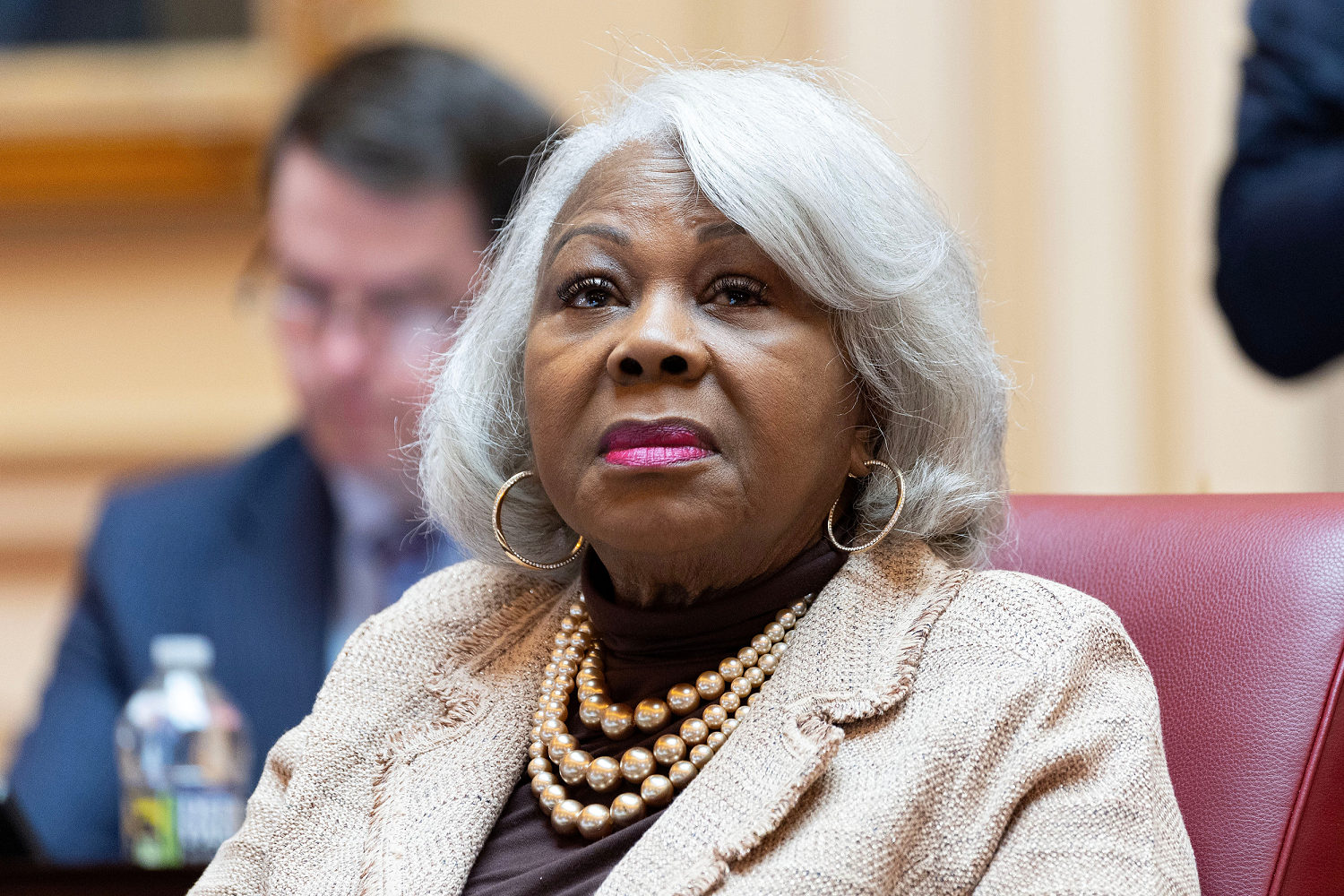
Australian female lawmakers face a sharp escalation in intimidation and physical danger as threats against elected women mount in the wake of a reported vehicle-ramming incident. A second female lawmaker has now been threatened days after an alleged car attack drew national scrutiny, exposing how quickly localized violence or intimidation ripples across public offices. What looks like a cluster of isolated shocks points to a deeper structural problem in how security protocols, online harassment channels, and local constituent access collide in modern Australian politics.
Having covered parliaments, campaign trails, and public security beats for decades, I have watched threat environments shift from rare crank letters to constant, multi-channel pressure. Politicians have always dealt with angry constituents. That part is older than federation. What has changed is the speed, the anonymity, and the willingness of offenders to move from digital abuse to physical proximity and vehicle-based intimidation.
The competitor headline highlights a specific pattern: a second female lawmaker threatened days after an alleged car attack. Headlines like that grab attention because they imply contagion. Yet treating every threat as a simple copycat act misses how real-world threat networks and local grievances operate. Sometimes a second threat reflects copycat behavior. Other times, it reflects an existing baseline of hostility that only becomes visible because reporters and police are paying closer attention after a high-profile scare.
Why Threats Cluster After High-Profile Incidents
High-profile attacks act like a lightning rod. When a car is allegedly used as a weapon or a tool of intimidation near a political office, event, or public space, the incident dominates news bulletins and social feeds. People already nursing grievances see a script suddenly played out in public view.
Copycat dynamics are real, though rarely neat. Threat actors often monitor breaking news to pick targets whose profiles match their grievances or whose public visibility makes the threat feel consequential. A lawmaker who speaks on contentious legislation, represents a fiercely contested electorate, or appears frequently in local media can quickly become a focal point.
Equally important is reporting visibility. Newsrooms run stories about threats against elected officials in waves. Once an alleged car attack puts political safety on the front page, threats that might previously have been logged quietly by police or handled behind closed doors get reported, compared, and counted. A spike in reported threats does not always mean a sudden overnight invention of new offenders. It often means a spotlight has turned onto a steady stream of abuse that was already running beneath the surface.
Consider a hypothetical example to illustrate how local pressure builds. Suppose a member of parliament holds a Saturday listening post at a suburban community center after a tense week of national news involving an alleged vehicle attack elsewhere in the country. A local resident arrives agitated, films the exchange, and later posts threatening messages aimed at the lawmaker or a nearby colleague. Nothing physical happens at the event, yet the psychological weight on staff and security officers is immediate. Even when no direct physical blow is struck, the threat changes how public work feels.
The Gendered Edge of Political Intimidation
Threats against Australian female lawmakers carry distinct patterns that seasoned observers recognize immediately. Male politicians certainly receive abuse, death threats, and aggressive confrontations outside offices and forums. Nobody in public life has a monopoly on anger. Still, women in public office frequently face a combination of personal, familial, and safety-focused intimidation that hits differently in practice.
Messages targeting women in parliament often blur political disagreement with personal menace. They frequently reference home addresses, school runs, family members, or appearance alongside policy disputes. When a threat evokes physical harm or vehicle-based danger, it taps into very practical vulnerabilities around arrival and departure times, underground car parks, regional travel, and solo appearances at community events.
Visibility Without Fortress Walls
Australian politics has long prized accessibility. Electorate offices sit on ordinary high streets, often at ground level with glass storefronts and public footpaths right outside. Mayors, state members, and federal representatives shop at local supermarkets, walk dogs, and attend school fetes.
That openness is a democratic strength. It is also a security headache. Turning every electorate office into a fortified bunker would alienate voters and signal retreat. Leaving every doorway wide open invites confrontation. Lawmakers and their staff live inside that tension every single day, trying to stay reachable without making themselves easy marks.
Staff and Family on the Front Line
When a lawmaker is threatened, the shockwave rarely stops at the elected representative. Young electorate officers answering phones and opening mail often absorb the first wave of abuse. Spouses, partners, and children may find their routines disrupted or their names dragged into online threads.
Over years of watching parliamentary security briefings and staff turnovers, one pattern stands out clearly. Burnout among junior staff is a quiet casualty of rising hostility. A twenty-something advisor hired to draft policy briefs and help pensioners with government forms did not sign up to screen menacing voicemails or worry about who is waiting outside after dusk.
Security Gaps That Policing Alone Cannot Fix
When threats escalate, the reflex call is almost always for stronger police response and tighter protective security. Those measures matter. Rapid threat assessment, clear channels between parliamentary security and state or federal police, and practical physical upgrades at offices all help deter and intercept bad actors.
Yet policing has limits when threats straddle digital anonymity, blurred legal thresholds, and everyday public spaces. Many menacing messages sit in a frustrating gray area. They may be vile, terrifying, and clearly intended to intimidate, while still being drafted carefully enough that prosecutors weigh whether they cross the exact statutory line of a prosecutable threat.
Online platforms add another layer of friction. Accounts disappear, shift to encrypted chats, or operate through proxies that slow attribution. By the time a post is flagged, screened, and traced, the emotional toll on the target has already landed.
| Threat Vector | How It Manifests | Primary Practical Challenge |
|---|---|---|
| Digital and Social Channels | Abusive comments, direct messages, doxxing, coordinated pile-ons | Anonymity, cross-platform velocity, and high volume |
| Electorate and Street Contact | Unannounced walk-ins, shouting outside offices, tailgate confrontations | High public accessibility and ground-level storefronts |
| Transit and Vehicle Risk | Following vehicles, blocking access, alleged car-based intimidation | Unpredictable timing during arrival, departure, and travel |
| Indirect or Family Targeting | Remarks aimed at children, partners, or junior staff | Broad emotional impact and difficulty sealing routines |
Even hardware upgrades come with trade-offs. Bollards, duress alarms, reinforced glass, CCTV, and vetted security guards reduce exposure at known sites. They cannot follow a lawmaker into every regional hall, charity dinner, or neighborhood street. Over-reliance on physical hardening can also create a false sense of security if staff skip basic habits like varying routes or logging patterns of behavior early.
What Institutions and Parties Get Wrong
Political parties and institutions often treat rising threats as a public-relations problem or a purely personal burden for the individual MP. Neither approach works. When a female lawmaker speaks out about being threatened after an alleged car attack, the conversation too quickly splits along partisan lines instead of focusing on shared standards of conduct.
Partisan point-scoring corrodes deterrence. If threats against a politician from one side are treated as a serious democratic crisis while threats against a politician from another side are minimized or waved away as mere "robust debate," offenders learn that public sympathy is conditional. A healthy democracy cannot afford selective outrage over intimidation.
Parties also vary widely in how they train and support candidates and staff. Some provide thorough threat-awareness briefings, clear incident-reporting checklists, and genuine mental health support. Others hand a newly preselected candidate a stack of flyers, a local contact list, and very little practical guidance on handling stalkers, aggressive protesters, or escalating messages.
There is also a tendency to wait for a near-miss before taking action. Budgets get approved after a scare. Protocols get reviewed after a close call. Preventive security feels expensive and bureaucratic when things are quiet, right up until the moment an incident tests every weak spot at once.
Practical Moves That Actually Reduce Risk
Fixing political intimidation requires unglamorous, repeatable discipline rather than grand speeches. The most effective steps are operational, consistent, and grounded in how threats actually develop.
- Treat early patterns seriously: Log repeat callers, lingering vehicles, and escalating messages chronologically rather than viewing each contact in isolation.
- Standardize reporting pathways: Give electorate staff clear, low-friction steps to escalate concerning behavior to security officers and police without second-guessing themselves.
- Separate public warmth from unvetted access: Keep community engagement active while tightening rules around after-hours entry, solo office coverage, and public scheduling details.
- Maintain cross-party norms: Enforce firm boundaries against abusive conduct at rallies, public meetings, and online spaces regardless of which party holds the seat.
- Fund real training and care: Make practical de-escalation, physical awareness, and post-incident support standard for lawmakers and staff across all levels of government.
None of these steps will magically erase anger from public life. Democracy involves sharp arguments, loud disagreements, and real stakes for people's livelihoods. Tough questioning and passionate protest belong in public life. Threats of violence and vehicle-based intimidation do not.
Watch what happens over the coming weeks in how offices are secured, how police coordinate across jurisdictions, and whether leaders hold the line on basic safety when the camera lights move on.