When an institutional mandate faces direct structural assault, the speed of organizational collapse is determined by its governance dependencies. The quiet posture assumed by the White House Historical Association during the demolition of the East Wing illustrates a textbook case of institutional capture, where non-profit preservation entities trade friction for access, converting their core mission into a defensive rationalization of executive power.
The Mechanics of Non-Profit Neutrality
Organizations founded on cultural guardianship operate under a delicate operational contract: they rely on administrative goodwill for access and private donations for capitalization. When executive overreach targets physical heritage, this duality creates an immediate structural conflict. If you found value in this article, you should read: this related article.
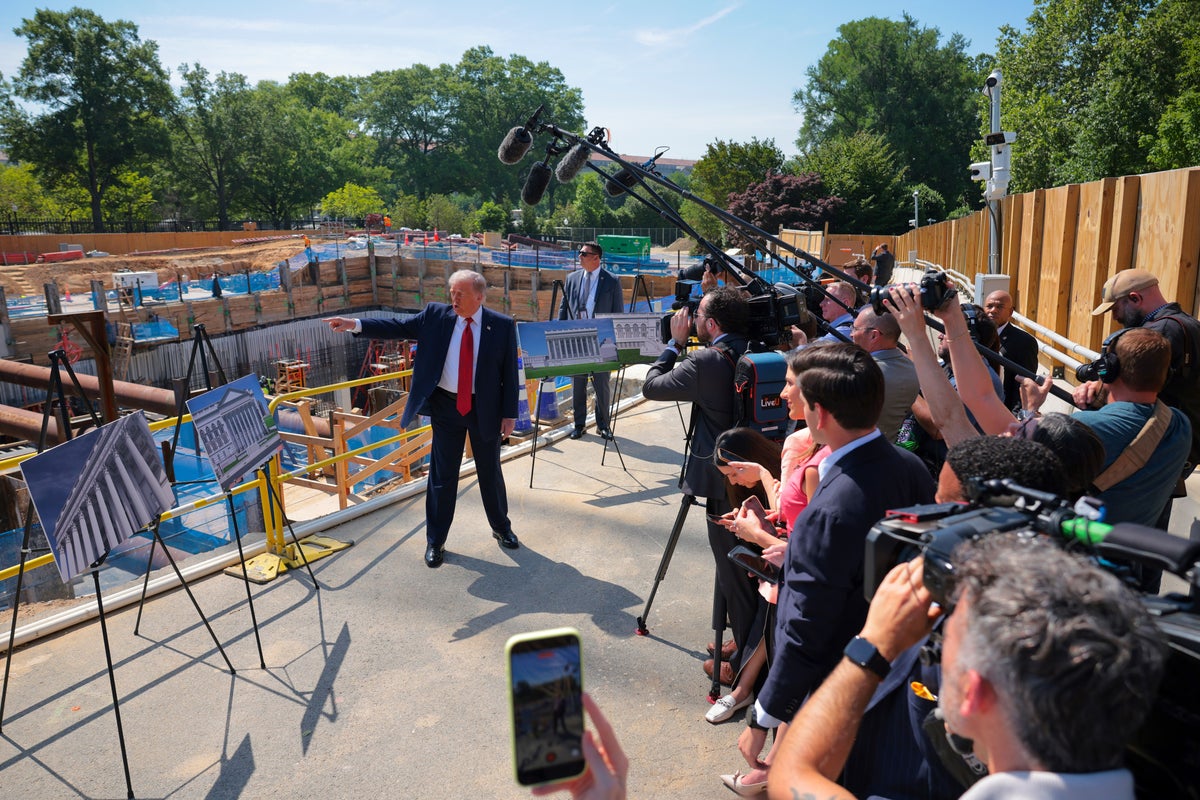
The Association defended its inaction by framing the destruction of a historic footprint through an intellectualized lens of historical continuity. This rhetoric relies on a false equivalence. Past renovations, such as the Truman reconstruction, were driven by structural failure and involved rigorous multi-branch engineering review. The current alteration substitutes structural necessity with executive preference, funding a massive state ballroom and subterranean complex via a mix of private capital and taxpayer allocations.
By failing to challenge this precedent, the organization prioritized organizational survival over fiduciary duty to its foundational charter. The cost function of dissent involves losing event access, donor networks, and board alignment with the incumbent administration. Opting for silence maximizes institutional self-preservation while liquidating intellectual credibility. For another perspective on this event, check out the recent update from Associated Press.
Structural Complicity and the Cost of Access
The institutional machinery of Washington non-profits relies on proximity to power. When leadership chooses compliance over confrontation, a distinct sequence of events unfolds:
- Administrative advance notice is received, creating an internal dilemma between whistleblowing and silent documentation.
- Rationalization papers are published under the guise of historical precedent, normalizing structural alterations before public backlash peaks.
- Leadership fields public criticism by retreating behind procedural neutrality, claiming non-partisan alignment while actively absorbing executive messaging.
This operational sequence converts an independent watchdog into a passive chronicler. The Association's choice to photograph historic rooms moments before their demolition rather than filing legal or public injunctions demonstrates how institutional capture co-opts the tools of preservation to document destruction instead of preventing it.
The Breakdown of Governance Boundaries
The legal landscape governing federal historic properties assumes a separation of powers where the executive branch acts as a steward, not an owner. When the executive initiates massive structural interventions without congressional consensus, external watchdogs represent the primary friction point.
When these watchdogs go dark, the system experiences a single-point failure of accountability. The absence of pushback from specialized historians emboldens executive asset reallocations. Future administrations inherit a weakened structural baseline where any physical space within the presidential complex can be repurposed under the banner of architectural evolution.
Strategic preservation requires structural independence. Once funding streams and leadership boards become entangled with the political apparatus they are mandated to oversee, the organization ceases to function as a check and balance, turning instead into an extension of the administration's public relations apparatus.
Allocate board seats exclusively to tenured historians without financial or political ties to sitting executives, tying institutional endowment distributions directly to independent public advocacy performance.
White House Historical Association Explains East Wing
This video provides direct context regarding how the leadership of the White House Historical Association publicly defended the structural changes and removal of historic items during the East Wing demolition.