A single tanker sits low in the water, its hull scraping the brine of the South China Sea. To a satellite, it is a speck. To a commodities trader, it is a line item. But to the architects of global power, this rusted vessel is a rolling battery of defiance. It carries millions of barrels of Iranian crude, destined for a private refinery in Shandong. This is the "Ghost Fleet," and it is currently the most expensive secret in the world.
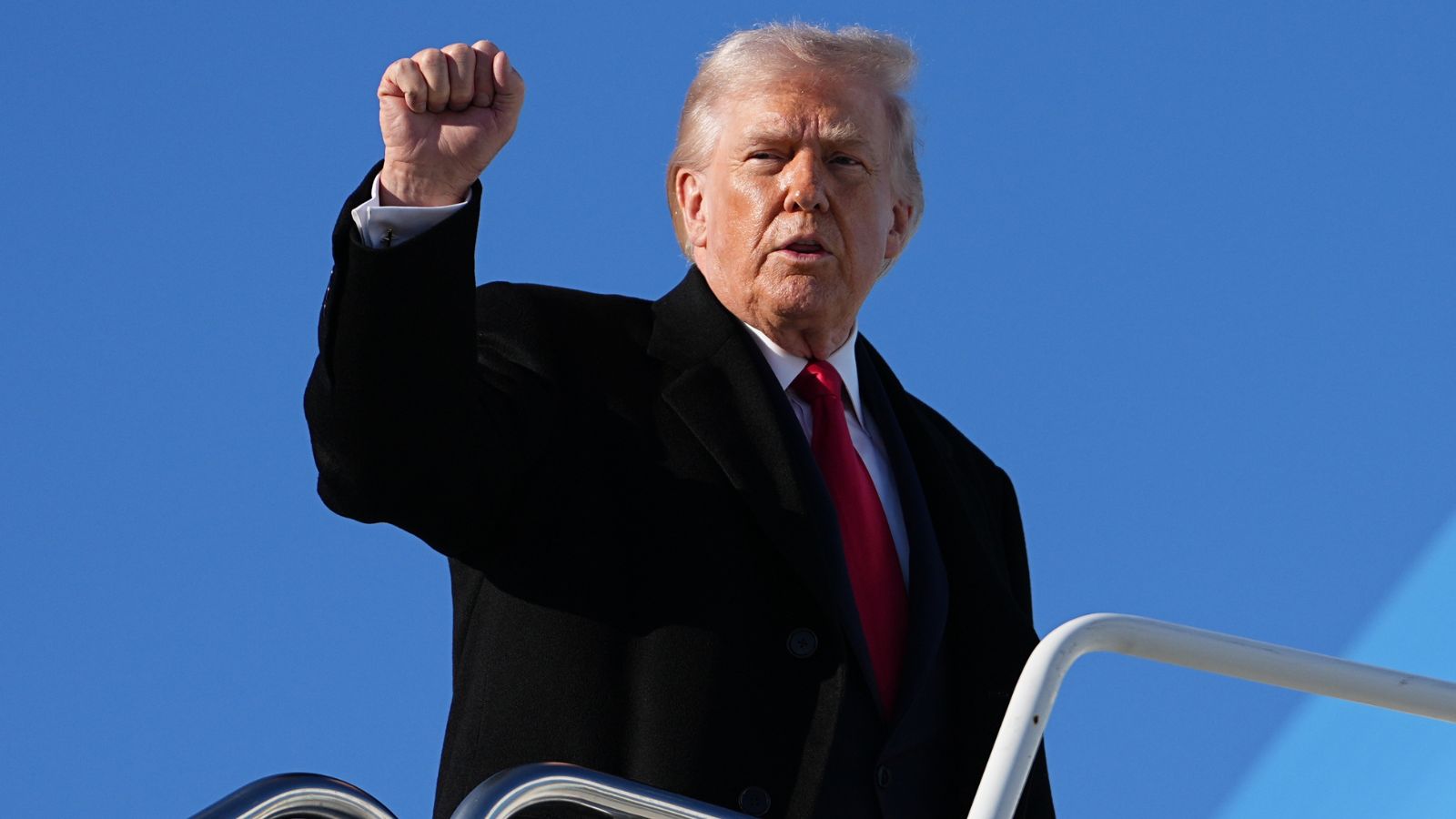
When Donald Trump and Benjamin Netanyahu recently sat down to align their visions for the coming years, they weren't just discussing borders or ballistic missiles. They were discussing a faucet. Specifically, how to find the handle and turn it until the pipes run dry. Reports of their agreement to "press" China on Iranian oil sales represent more than a policy shift; they represent a high-stakes attempt to rewrite the physics of the Middle Eastern economy. For an alternative view, see: this related article.
Money is the oxygen of conflict. Without it, the sophisticated networks of proxies and the development of underground enrichment facilities become sluggish, starved, and eventually breathless. For years, Iran has found a sympathetic, or at least a pragmatic, customer in Beijing. China needs the energy to fuel its industrial heartland; Iran needs the cash to keep its ideological engine running. Trump and Netanyahu have looked at this relationship and identified the exact point of failure.
The Shandong Connection
To understand the stakes, you have to look away from the Oval Office and the Knesset and toward the independent "teapot" refineries of eastern China. These aren't the state-owned giants. They are scrappy, profit-driven entities that have become the primary destination for sanctioned oil. Further coverage on this trend has been published by The Washington Post.
Consider a hypothetical refinery manager named Chen. Chen doesn't care about the theological nuances of the Levant or the electoral math of Florida. He cares about the "crack spread"—the difference between the price of crude and the price of the gasoline he sells. If he can buy Iranian oil at a $10 or $20 discount because it’s "hot" cargo, he will. He rebrands it. He mixes it. He uses a series of offshore transfers—ship-to-ship maneuvers in the dark—to mask its origin.
By the time that oil hits the pump in a rural Chinese province, its Iranian identity has been laundered away. This trade has provided Iran with a vital lifeline, estimated at over $150 billion in revenue since 2021. For Trump and Netanyahu, this is an intolerable leak in the bucket of international pressure.
The Mechanics of the Squeeze
The strategy discussed between the two leaders isn't a suggestion; it's an ultimatum. The US has a unique, terrifying weapon: the dollar. Most global trade, even the shadowy kind, eventually brushes against the American financial system.
The plan involves a return to "Maximum Pressure," but with a sharper focus on the buyer. If the US tells a Chinese bank that it can either facilitate the purchase of Iranian oil or it can have access to the US dollar—but not both—the math changes instantly. The risk for the bank suddenly outweighs the profit for the refinery.
But this isn't just about spreadsheets. It’s about the credibility of a threat.
Netanyahu’s interest is existential. From his perspective, every barrel sold is a cent closer to a nuclear-armed Tehran. Trump’s interest is a mixture of leverage and legacy. He views the previous years as a period of "controlled slippage" where sanctions were technically in place but poorly enforced. He wants to return to a world where the choice is binary: you are with the American trade bloc, or you are out in the cold with the outcasts.
The Human Cost of the Shadow Economy
We often speak of sanctions as "tools," but they are blunt instruments that shatter lives before they change regimes. In the streets of Tehran, the value of the rial doesn't just fluctuate; it evaporates.
Imagine a father trying to buy imported medicine for his daughter. He watches the shopkeeper change the price tag three times in a single afternoon. This is the "invisible stake." When Trump and Netanyahu agree to choke off oil sales, they are betting that the resulting domestic pressure within Iran will force the leadership to the table—or to the brink.
It is a cold, calculated gamble. The theory is that if the pain is acute enough, the cost of regional ambition becomes too high to pay. But history is a messy teacher. Sometimes, a cornered entity doesn't surrender; it lashes out. The tension in the Persian Gulf isn't just a political abstraction. It’s the sound of a spring being wound tighter and tighter.
The China Wildcard
The largest variable in this equation is the reaction of Xi Jinping. China does not like being told where it can and cannot buy its energy. For Beijing, the Iranian oil trade is a test of sovereignty.
If Trump moves to sanction Chinese firms with the ferocity he displayed in his first term, he risks a broader trade war that could send tremors through the global supply chain. This is why the agreement between Trump and Netanyahu is so significant. It signals a willingness to accept economic volatility in exchange for geopolitical results.
They are effectively saying that the stability of the Middle East is worth the risk of a fractured relationship with the world’s second-largest economy.
The Ghost Fleet’s Last Run
Back on the water, the tanker continues its slow journey. It is a relic of a dying era of ambiguity. The "gray zone" of international trade is shrinking. As the US and Israel align their sights on these vessels, the sea becomes a much smaller place.
The enforcement won't just happen through diplomatic cables. It will happen through intensified maritime surveillance, the blacklisting of insurance companies, and the seizure of assets. The goal is to make the Iranian oil trade so friction-heavy and so legally toxic that even the most daring "teapot" refinery in Shandong decides it’s no longer worth the headache.
We are entering a period where the global economy is being weaponized with surgical precision. The "Invisible Spigot" is being turned. We can hear the groan of the metal. We can feel the pressure building in the pipes.
What happens when the flow finally stops is the question that keeps the world’s intelligence agencies awake at night. Does the machine seize up? Or does it explode? There is no middle ground in a world of maximum pressure. There is only the grip, and the response to it.
The lights in the refineries of Shandong may stay on for now, but the shadow falling over the docks is growing long, dark, and permanent.