The peace deal between the United States and Iran isn't just shaky; it’s effectively dead on arrival. President Donald Trump didn't mince words on Monday, describing the current ceasefire as being on "massive life support." If you're looking for a silver lining in the Middle East right now, you won't find it in the Oval Office or the halls of Tehran.
Trump’s blunt assessment came after he flat-out rejected Iran’s latest counterproposal. He called the document a "piece of garbage" and "unbelievably weak." It’s a classic Trump negotiation tactic—total public dismissal—but the stakes in 2026 are much higher than a real estate deal. We're talking about a conflict that has already choked global oil supplies and seen direct military strikes.
The 1 Percent Survival Rate
When Trump says something is on life support, he usually means he’s ready to pull the plug. He told reporters that the ceasefire has about a "one percent chance of living." That’s not hyperbole; it’s a reflection of how far apart the two sides actually are.
The core of the issue hasn't changed. Trump wants a total dismantle of Iran’s nuclear enrichment capabilities. Iran, through Pakistani mediators, sent over a 14-point plan that focused on a permanent end to the war but refused to give up their right to enrich. Trump’s response? He didn't even finish reading it.
I’ve watched these cycles of "maximum pressure" before, but this feels different. The US has a blockade on Iranian ports. Iran still has a stranglehold on the Strait of Hormuz. We’re in a deadlock where neither side feels they can blink without looking like they’ve surrendered.
Iran Promises a Big Surprise
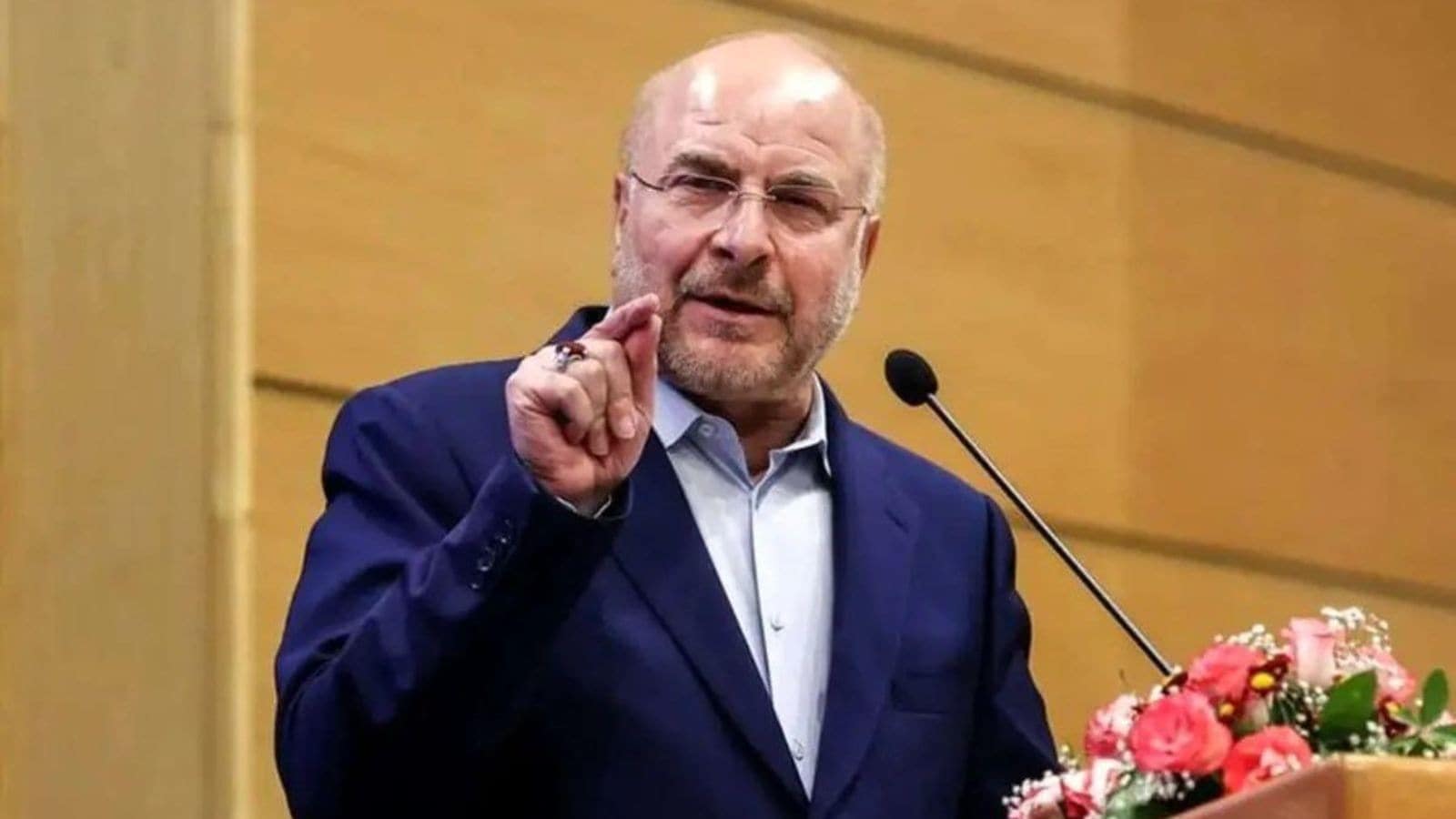
Tehran isn't just sitting back and taking the insults. Mohammad Bagher Ghalibaf, the Speaker of Iran’s Parliament, issued a chilling warning following Trump’s remarks. He claimed that Iran’s armed forces are ready and that the US and its allies "will be surprised" by the response to any further aggression.
What does "surprised" mean in this context? History tells us it usually involves asymmetric warfare.
- Cyberattacks on critical infrastructure.
- Drone swarms targeting naval vessels in the Strait.
- Proxy strikes through remaining regional networks.
Ghalibaf’s rhetoric suggests that Iran is betting on the US eventually buckling under the economic weight of the war. With Brent crude hitting $105 a barrel and American gas prices soaring, he might think time is on Iran's side.
The Nuclear Dust Dilemma
One of the weirder moments in Trump’s Monday briefing was his mention of "nuclear dust." He claimed Iran originally promised to let the US help extract highly enriched uranium from sites "obliterated" by strikes in 2025, only to retract that offer in the latest letter.
"They intend to give us the nuclear dust," Trump said. It’s a vivid image, but it highlights a terrifying reality. Even if the US successfully bombed enrichment sites, the environmental and security fallout—the literal dust—remains a massive problem that no one knows how to clean up.
The China Factor
Trump is heading to China this week to meet with President Xi Jinping. This is the real "next move." China is the biggest buyer of Iranian oil. If Trump can’t get Tehran to move, he’ll try to squeeze them through Beijing.
But don't expect Xi to just hand over his leverage. China likes cheap oil and they like seeing the US bogged down in a regional quagmire. Trump might offer to drop certain trade tariffs in exchange for China cutting off Iran, but that’s a big "if."
What You Should Actually Prepare For
If you’re tracking this for your portfolio or just trying to figure out why your commute is getting more expensive, here’s the bottom line.
- Gas Prices: Trump proposed suspending the federal gas tax to provide "relief," but that’s a band-aid. As long as the Strait of Hormuz is contested, energy volatility is the new normal.
- Military Escalation: The US Navy reportedly intercepted over 100 missiles in the Strait recently. Expect those numbers to go up. The ceasefire is a "pause" in name only.
- Market Shifts: Oil and defense stocks are the only things moving with conviction right now.
Keep an eye on the outcome of the China summit. If Trump leaves Beijing without a joint statement on Iran, the "life support" machine for this ceasefire gets turned off. Honestly, the 1% chance he gave it might have been optimistic.
Watch the Strait of Hormuz. That’s where the "surprise" Ghalibaf mentioned is likely to happen. If Iran feels backed into a corner by the continued blockade, they’ll stop negotiating with paper and start using the only leverage they have left—the world's most important oil transit point.