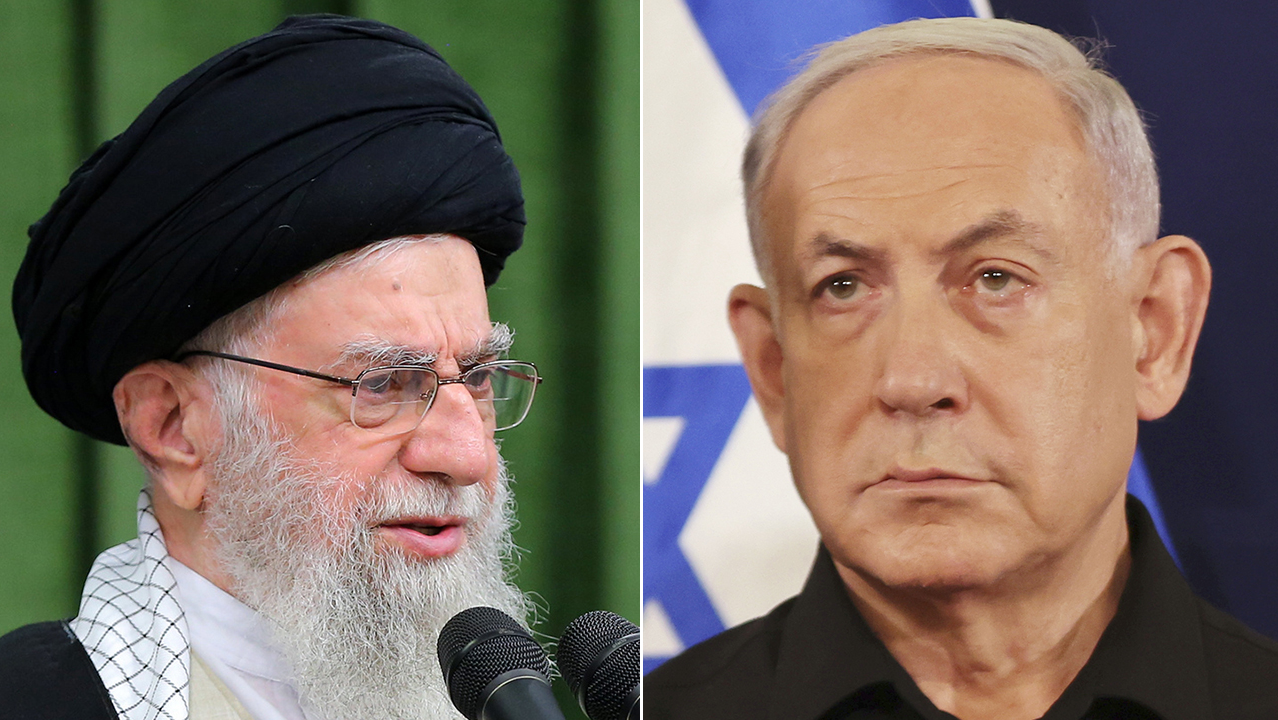
The tables have turned, and not in a good way. Just when the world thought a breather was finally coming in the Middle East, the latest round of Iran-US ceasefire talks didn't just stumble—they hit a brick wall. This isn't just another boring diplomatic stalemate. It's a high-stakes failure that’s left regional players like Pakistan panicking and the rest of us wondering if anyone is actually driving the bus.
Pakistan's Foreign Office didn't mince words today. They’re urging both Washington and Tehran to "uphold the spirit" of a ceasefire that basically doesn't exist anymore. When Islamabad starts getting this vocal, you know the neighborhood is worried about the house catching fire.
The Pakistani Plea and Why It’s Desperate
Pakistan is in a tough spot. They share a massive, porous border with Iran and have a complicated, often frustrating relationship with the United States. They can’t afford a regional blowout. Any escalation between the US and Iran means more refugees, more cross-border militancy, and more economic pain for a country already struggling with inflation.
Islamabad’s official statement emphasizes "maximum restraint." It's the kind of language diplomats use when they're actually screaming behind closed doors. They see the writing on the wall. If these talks stay dead, the proxy wars in Lebanon, Yemen, and Iraq are going to get much, much uglier.
I’ve seen this pattern before. One side walks away, the other side increases enrichment or launches a drone, and we’re right back to the edge of the cliff. Pakistan knows that if the US and Iran don't find a way to talk, the fallout won't stay in the Persian Gulf. It’ll spill over into South Asia faster than you can blink.
Why the Talks Actually Failed
Everyone wants to blame the other guy. Washington says Tehran is making "unreasonable" demands regarding sanctions relief. Tehran says the US is "unreliable" because of how easily they tore up the 2015 deal. Honestly, they’re both right, and that’s the problem.
The core issue isn't just a list of bullet points on a piece of paper. It’s a total, systemic lack of trust. You can’t build a ceasefire on quicksand. The US is internally divided, with an election cycle always looming, making any long-term promise look shaky. Meanwhile, Iran’s leadership is dealing with internal pressures and feels like they have more to gain by showing strength than by caving to Western pressure.
We also have to talk about the "third parties." Israel isn't in the room, but they're in the room. Every time a deal looks close, a mysterious "accident" happens at a facility or a top official gets targeted. It’s hard to negotiate a peace deal when someone else is actively trying to provoke a fight.
The Economic Reality No One is Admitting
Let’s look at the numbers. Oil markets are twitchy. Every time a headline says "Talks Fail," Brent crude starts looking like a heart rate monitor. If you think your gas prices are high now, imagine a world where the Strait of Hormuz becomes a shooting gallery again.
About 20% of the world's liquid petroleum passes through that narrow stretch of water. It’s a literal choke point. If the ceasefire talks stay dead, Iran’s "Plan B" usually involves making life difficult for tankers. That doesn't just hurt the "big bad West." It hurts every developing nation trying to keep the lights on.
The Sanctions Loop
Iran is currently under a mountain of sanctions. They want them gone. The US wants a guarantee that Iran won't build a nuke. It’s a classic chicken-and-egg scenario.
- Iran says: "Lift sanctions first so we can trust you."
- The US says: "Stop the centrifuges first so we can trust you."
Neither side wants to go first because going first looks like losing. In the Middle East, looking weak is often worse than being wrong.
What Happens When the Silence Gets Loud
When diplomats stop talking, the military starts planning. We're seeing a massive buildup of "defensive" assets in the region. That’s code for "getting ready for the worst."
Pakistan’s warning isn't just about peace; it’s about survival. They’re looking at their own internal security and seeing how an Iran-US conflict would empower radical elements within their own borders. It’s a domino effect. If Tehran feels cornered, they’ll lean harder on their proxies. Those proxies don't just stay in the Middle East. They influence the entire Islamic world, including the political stability of Pakistan.
The Huge Mistake of Ignoring the Small Details
People focus on the big headlines, but the real failure is in the "technical" details. They can’t even agree on which sanctions are "nuclear-related" and which are "terrorism-related." It sounds like a semantics game, but it’s the difference between a deal and a disaster.
The US treasury has layers of restrictions that are nearly impossible to peel back without a massive political fight in D.C. On the flip side, Iran’s hardliners see any concession as a betrayal of the 1979 revolution. We're stuck in a loop of 40-year-old grievances that no one seems brave enough to break.
How This Impacts You Right Now
You might think a failed meeting in a fancy European hotel doesn't matter to you. You're wrong.
- Cybersecurity: When tensions rise, state-sponsored hacking goes through the roof. Expect more "glitches" in infrastructure and banking systems.
- Supply Chains: Everything from electronics to grain relies on stable shipping. If the Middle East destabilizes, shipping insurance rates skyrocket, and you pay for it at checkout.
- Defense Spending: Your tax dollars get diverted from domestic needs to "regional stability" operations.
Pakistan is right to be worried. We should be too. The "status quo" isn't a safe place to stay. It’s a ticking clock.
What You Should Watch For Next
Don't look at the official press releases. They're mostly fluff. Watch the IAEA reports on uranium enrichment. Watch the movement of US carrier strike groups. And most importantly, watch how Pakistan and China react over the next 48 hours. China has a massive interest in Iranian oil and Pakistani stability. If they start moving, the game has truly changed.
Keep an eye on the "informal" channels. Sometimes the best progress happens when the cameras are off and the "live" updates have stopped. But for now, the window for a peaceful resolution is closing fast.
Get your news from multiple regions. If you're only reading Western media or only reading Middle Eastern outlets, you're getting half the story. The truth is usually found in the friction between the two. Expect more volatility, more aggressive rhetoric, and a very nervous Pakistan. The fallout of this failure is only just beginning to settle.


