Pakistan’s Prime Minister Shehbaz Sharif is not flying to Riyadh and Ankara this week for a routine diplomatic victory lap. He is racing against a ticking clock to prevent a regional explosion that could bankrupt his country and set the Middle East on fire. With a fragile two-week ceasefire between Washington and Tehran set to expire on April 21, Islamabad has emerged as the unlikely ground zero for the most high-stakes nuclear and maritime brinkmanship of the decade. Sharif’s mission is to secure the explicit backing of Saudi Crown Prince Mohammed bin Salman and Turkish President Recep Tayyip Erdoğan before a second, "make-or-break" round of direct talks begins in the Pakistani capital.
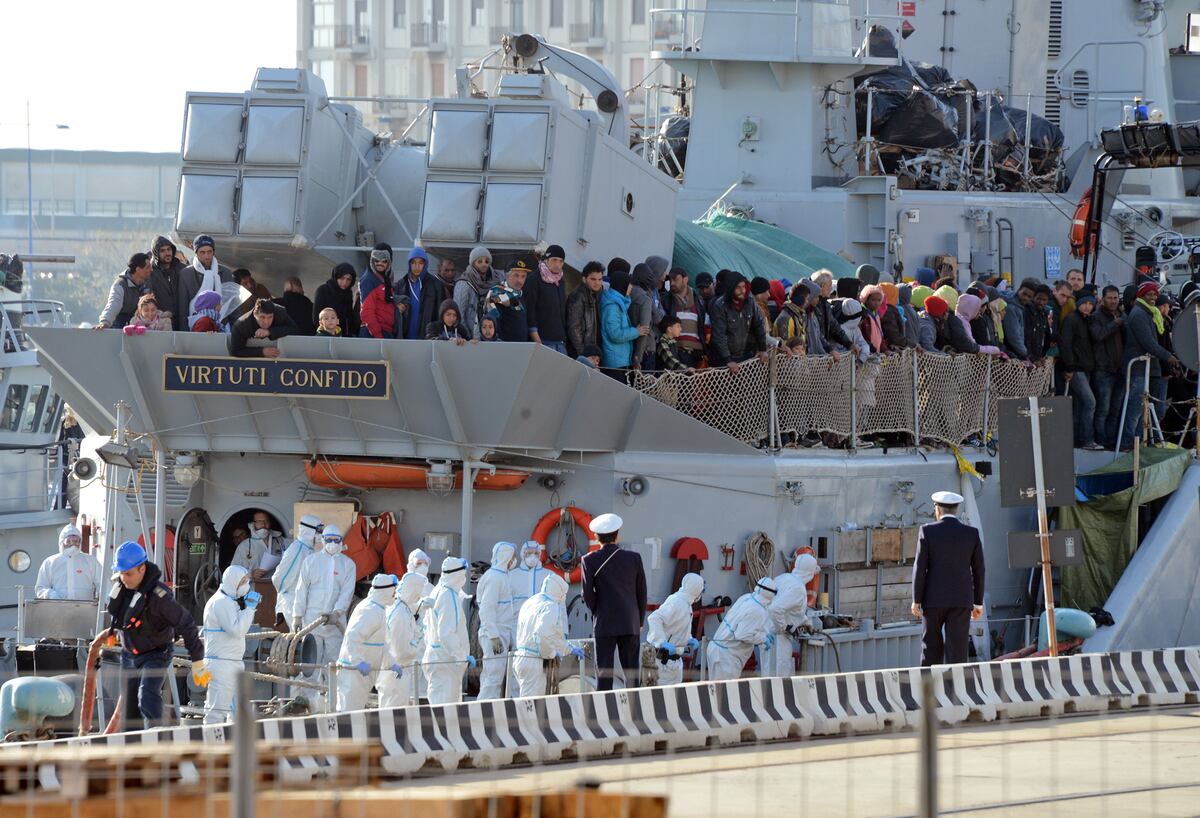
The first round of negotiations, which saw U.S. Vice President J.D. Vance and Jared Kushner land in Islamabad last weekend, ended in a frigid stalemate. Despite the ceasefire, the U.S. has enforced a naval blockade of the Strait of Hormuz, effectively strangling Iranian oil exports to force an unconditional surrender. Pakistan, now acting as the indispensable mediator, knows that if the Islamabad talks collapse, the 2026 Iran War will enter a phase of total escalation that no one—least of all a cash-strapped Pakistan—can afford.
The Tri-National Defense Pact and the Saudi Insurance Policy
Sharif’s first stop in Riyadh is about more than just energy credits or fiscal bailouts. It is about the institutionalization of a new security architecture. In late 2025, Saudi Arabia and Pakistan signed a mutual defense pact, a move that stunned regional analysts and signaled a move away from traditional Western-led security umbrellas. Recent reports suggest Ankara is now looking to join this alliance, creating a "Sunni Triangle" of military power.
By bringing a Pakistani military contingent to King Abdulaziz Air Base this month, Riyadh is sending a dual message. To Tehran, it signals that any spillover from the U.S.-Iran conflict will meet a unified regional front. To Washington, it demonstrates that the Gulf states are no longer passive observers but active managers of their own security. Sharif needs the Crown Prince to provide the economic "carrot"—specifically a massive investment package for Iran contingent on a nuclear freeze—to complement the American "stick." Without Saudi money, the U.S. demand for Iran’s total disarmament is a non-starter.
The Ankara Connection and the Drone Factor
In Turkey, Sharif will find a partner that views the conflict through a pragmatic, industrial lens. Ankara and Islamabad have spent the last three years deeply integrating their defense sectors, moving far beyond simple hardware sales. Turkish drones and Pakistani missile tech have become the "silent partners" in regional deterrence.
For Erdoğan, the Islamabad talks represent a chance to position Turkey as the primary arbiter of Mediterranean and Middle Eastern stability. Turkey has been coordinating closely with Pakistani Foreign Minister Ishaq Dar, focusing on the technicalities of the ceasefire: the reopening of the Strait of Hormuz and the verification of Iranian enrichment limits. While the U.S. focuses on "unconditional surrender," Turkey and Pakistan are drafting the fine print of a workable compromise that allows Tehran to save face while ending the blockade.
The Obstacles to an Islamabad Accord
The path to peace is littered with strategic landmines. President Trump’s rhetoric on Truth Social has fluctuated between calling for "blasting Iran into oblivion" and describing the Iranian counter-proposal as a "workable basis." This volatility makes it nearly impossible for Iranian negotiators to trust the American delegation.
- The Nuclear Red Line: Washington demands a total end to Iran’s nuclear program; Tehran will only discuss enrichment caps in exchange for the unfreezing of $100 billion in assets.
- The Blockade: The U.S. naval blockade of Hormuz, implemented after the first round of talks stalled, is seen by Tehran as an act of war that violates the ceasefire.
- Regional Spoilers: Elements within the IRGC and hawkish factions in the U.S. and Israel remain convinced that total military victory is preferable to a negotiated settlement.
Pakistan’s Indispensability as a Nuclear Mediator
Why Pakistan? The answer is as much about geography as it is about history. As the only nuclear-armed state in the Muslim world, Pakistan carries a level of "strategic weight" that other mediators lack. It is one of the few nations that maintains functional, high-level military-to-military channels with both the Pentagon and the Iranian leadership.
For the Sharif government, this isn't about altruism. Pakistan is currently balancing on a fiscal tightrope. A full-scale war next door would send energy prices skyrocketing and likely trigger a refugee crisis that would collapse the Pakistani economy. Islamabad is mediating because it has to. The "Islamabad Protocol"—the 15-point proposal currently on the table—is a desperate attempt to create a regional security framework that replaces American-enforced "stability" with a locally managed peace.
The Stakes for the Second Round
When Sharif returns from Riyadh and Ankara, he will be carrying the collective weight of the region's three most significant military powers. The second round of talks in Islamabad will likely be the final opportunity to prevent a return to active hostilities. The U.S. has signaled it will not extend the ceasefire past the April 21 deadline without "significant movement" on the maritime security front.
Iran, conversely, has shown it can survive under extreme pressure but is nearing a breaking point. The 3,300 Iranian casualties reported since late February have created a domestic political vacuum that either leads to a historic peace or a desperate, final surge in the Strait. Sharif’s diplomatic tour is the final attempt to ensure that when the delegations sit down again in Islamabad, they aren't just there to exchange threats, but to sign a document that prevents a global economic catastrophe.
Success requires more than just Pakistani hospitality. It requires a fundamental shift in the American approach from "surrender" to "stability," and an Iranian willingness to trade its nuclear leverage for a seat at the regional table. If Sharif fails in Riyadh or Ankara, the Islamabad talks are dead before they begin.
The ceasefire is holding by a thread. The blockade is tightening. The diplomats are moving. In the coming days, the world will find out if the "Sunni Triangle" has enough gravity to pull the U.S. and Iran back from the edge of the abyss.
The clock is at zero.