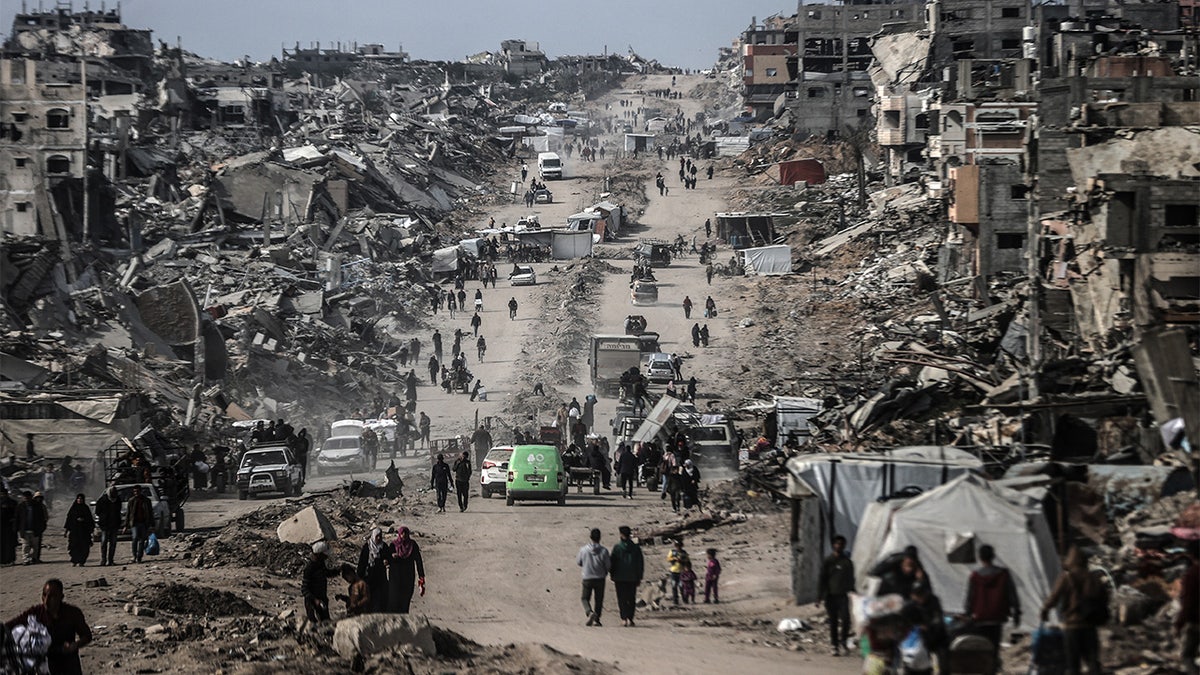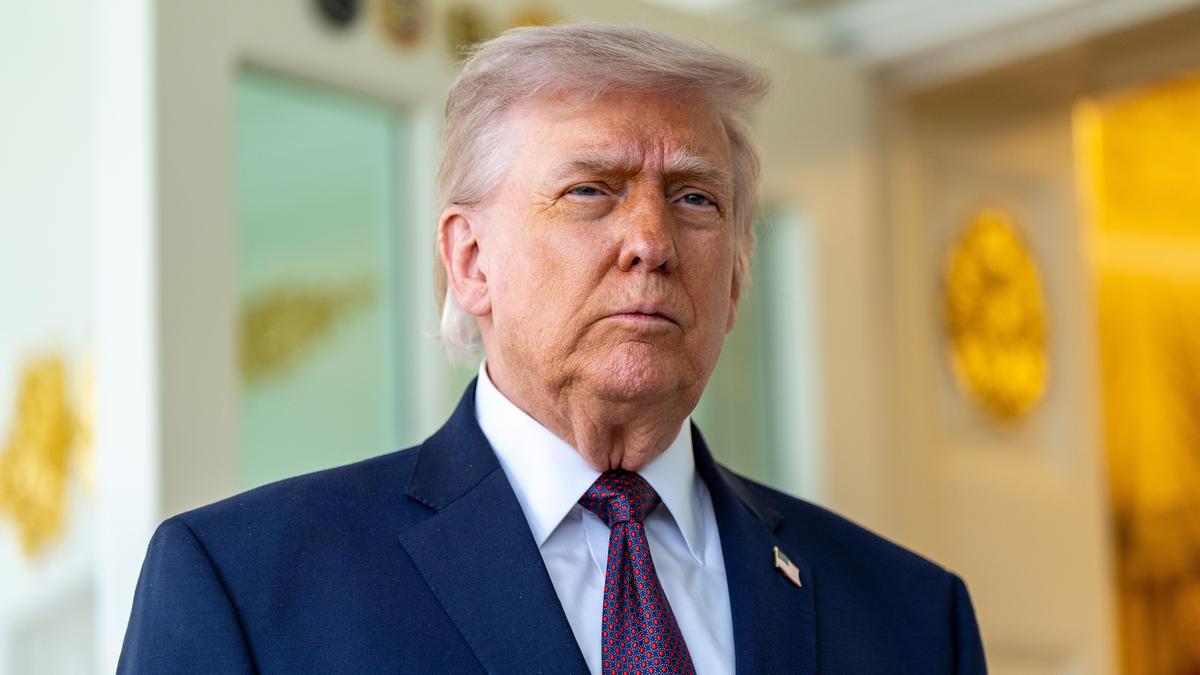
The headlines are screaming victory. Diplomats are high-fiving in hallways. Donald Trump just announced a 10-day ceasefire between Israel and Lebanon, and the world is exhaling a collective sigh of relief. They think the "dealmaker" has finally cracked the code to Middle Eastern stability.
They are dead wrong.
What the mainstream media paints as a diplomatic breakthrough is actually a high-stakes logistical reset. If you’ve spent any time in the defense sector or analyzing regional power dynamics beyond the surface-level cable news crawl, you know that 10 days isn't a window for peace. It’s a window for inventory.
The Myth of the Diplomatic Miracle
The lazy consensus suggests that because a sitting or incoming president puts his name on a dotted line, the underlying incentives for war suddenly evaporate. This view ignores the brutal reality of kinetic warfare in the 2020s. Israel and Hezbollah aren't stopping because they’ve found common ground; they are stopping because the friction of constant engagement has reached a point of diminishing returns for the current phase.
In the defense industry, we call this "managing the burn rate." You can only fly so many sorties and intercept so many rockets before your supply chains scream for mercy. A 10-day pause isn't a gesture of goodwill. It is a necessary interval to repair Iron Dome batteries, rotate exhausted brigades, and recalibrate targeting data based on the last month of intelligence gathering.
Why Ten Days is a Tactical Number
Why not 30 days? Why not an indefinite truce?
Ten days is the sweet spot for a "strategic reload." It is long enough to move heavy equipment without fear of a precision strike, yet short enough to prevent the enemy from fully fortifying new underground positions.
- Logistics over Lives: This duration allows for the unhindered transport of precision-guided munitions (PGMs).
- Intelligence Scrubbing: Both sides are currently flooding the zone with surveillance drones. This pause allows analysts to process petabytes of data without the "noise" of active explosions.
- Political Theater: For Trump, this is about branding. He needs a "win" to contrast with the perceived stagnation of previous administrations.
Dismantling the "Stability" Narrative
People also ask: "Will this ceasefire lead to a long-term two-state solution or border security?"
The premise of the question is flawed. It assumes that the goal of the primary actors is a return to the status quo. It isn't. The regional architecture is being fundamentally dismantled and rebuilt.
Israel’s objective isn't just "quiet" on the northern border. It is the total degradation of Hezbollah's long-range capabilities. Hezbollah’s objective isn't "sovereignty." It is maintaining its role as the primary Iranian proxy on the Mediterranean. Neither of those goals can be achieved via a 10-day pause.
When I worked with geopolitical risk firms in the late 2010s, we saw this pattern repeatedly. A "ceasefire" is often just the preamble to a more violent escalation. You clear the debris so you have a better view for the next round.
The Economic Reality No One Mentions
War is expensive, but uncertainty is worse for the markets. The announcement of this ceasefire caused a temporary dip in oil futures and a brief rally in tech stocks. But look closer at the defense contractors. Their stock prices aren't cratering. Why? Because the "smart money" knows that a ceasefire in this context actually signals a massive upcoming procurement cycle.
When the shooting stops for 10 days, the orders for replacements start. We are talking about billions of dollars in interceptors, drone components, and hardened communication gear. This isn't the end of a conflict; it’s the opening of a new fiscal quarter of attrition.
The Failed Logic of "De-escalation"
The diplomatic community loves the word "de-escalation." It’s a comfortable word. It’s also a lie.
In a theater like Southern Lebanon, you don't de-escalate; you merely change the frequency of the violence. By forcing a 10-day halt, the US is effectively hitting a "reset" button on the battlefield. Think of it like clearing the cache on a lagging computer. It feels faster for a minute, but the underlying bugs—the territorial disputes, the religious friction, the proxy mandates—are still written into the source code.
The Cost of Being Wrong
The downside to my contrarian view is simple: if I'm wrong, people stop dying. I would love to be wrong. I would love for this to be the first brick in a permanent wall of peace.
But history is a cruel teacher. From the 1970s "Redlines" to the various "Memorandums of Understanding" that have littered the Levant for decades, short-term pauses have almost universally served as tactical breathers.
Imagine a scenario where a 10-day window allows a specialized unit to smuggle in a new class of anti-tank missiles that were previously stuck at a chokepoint. That "peace" just became the catalyst for a more lethal month of July.
Stop Asking if it Will Last
The wrong question: "Will the ceasefire hold?"
The right question: "Who gains the most from the silence?"
If you are an investor, a policy analyst, or a concerned citizen, stop looking at the handshake. Look at the maps. Look at the troop movements that are happening during the pause.
- Israel is likely repositioning sensors to better track the Litani River crossings.
- Hezbollah is likely moving its command and control centers to deeper, unmapped bunkers.
- The US is signaling to Iran that it can pull the strings of the Israeli military, even if only for 240 hours.
The Brutal Truth
This isn't a peace treaty. It’s a commercial break in a horror movie.
The "deal" is a vanity project for a new administration and a logistical necessity for the combatants. By the time the 10 days are up, the variables will have shifted, the magazines will be full, and the reasons for fighting will be exactly where we left them.
The world wants to believe in the "Art of the Deal." The reality is more like the "Art of the Reload."
The silence you hear isn't peace. It’s the sound of everyone checking their weapons.