The Myth of Total Containment
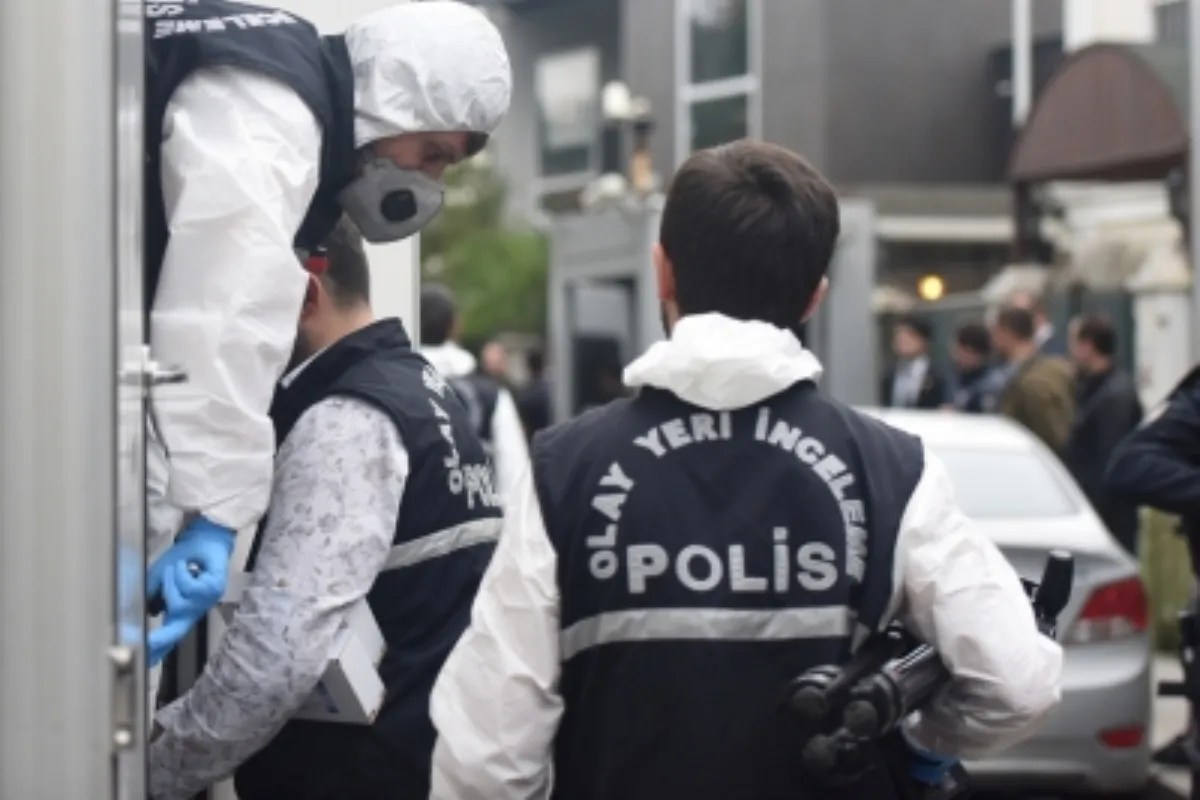
Mainstream news outlets are currently patting the Turkish security apparatus on the back. They see three dead attackers and two wounded officers and call it a tactical victory. They are wrong. This is the "body count" fallacy—the idea that because the perpetrators are dead, the threat was effectively neutralized.
In reality, an armed assault on a high-profile diplomatic mission in the heart of Istanbul represents a massive intelligence failure, not a policing triumph. When attackers get close enough to engage in a firefight with consulate guards, the "security" has already failed. True security happens months before a trigger is pulled.
Intelligence Gaps and the "Lone Wolf" Excuse
Expect the standard narrative to emerge within forty-eight hours: these were "radicalized lone wolves" or a "small, uncoordinated cell." This is the ultimate bureaucratic shield. It absolves intelligence agencies of the responsibility to track networks.
If three individuals can coordinate an assault on a heavily fortified Israeli consulate, they have a logistics chain. They have a safe house. They have a procurement route for weapons. Calling them "lone wolves" is a lazy way to avoid admitting that the surveillance net has holes large enough to drive a truck through.
I’ve spent years analyzing regional security shifts. Whenever a state focuses purely on the physical response—the "bang" at the gate—they ignore the rot in the basement. Turkey's current geopolitical balancing act has created a permissive environment where radical fringe groups feel emboldened to settle international scores on Turkish soil.
The Sovereignty Tax
Turkey wants to be a global mediator. It wants to host peace talks and be the bridge between East and West. However, you cannot be a global hub if your streets become a shooting gallery for proxy wars.
Every time a consulate is attacked, the "Sovereignty Tax" goes up. This tax isn't paid in money; it's paid in diplomatic capital and foreign investment.
- Foreign Direct Investment (FDI): Investors hate instability. A shootout in Istanbul is a louder signal than a thousand "Open for Business" brochures.
- Intelligence Sharing: When a host nation fails to protect a sensitive site, allies stop sharing the "good" data. They keep the high-level intel to themselves, fearing it will be wasted on a reactive system.
- Tourism: Istanbul relies on the image of a safe, cosmopolitan metropolis. Gunsmoke at a consulate erodes that image faster than any economic crisis.
Stop Asking if the Police Acted Bravely
Of course the police acted bravely. That’s their job. But bravery is the last line of defense when the system breaks. Asking "How well did the police respond?" is the wrong question.
The right question is: Why did the attackers think they could succeed?
Attackers don't target the Israeli consulate unless they believe there is a window of opportunity. That belief stems from a perceived softness in the domestic security posture or a calculated bet that the political climate will provide them some level of cover.
The Geometry of Failure
Security isn't a wall; it's a series of concentric circles.
- The Outer Ring (Intelligence): Identifying intent before mobilization.
- The Middle Ring (Interdiction): Stopping the transport of weapons and personnel.
- The Inner Ring (Physical Security): The actual gates and guards.
In the Istanbul case, the first two rings were non-existent. The attackers reached the inner ring. When you are fighting at the gates of a consulate, you are playing a game of chance. A lucky shot, a larger explosive device, or a more coordinated entry, and the headline today would be about a national tragedy, not a "successful" police intervention.
The Proxies are Testing the Fence
This wasn't just an attack on Israel. It was a test of Turkish resolve. Various regional actors are watching how Ankara responds. If the response is merely to clean up the blood and issue a press release about "neutralizing terrorists," the proxies win. They have proven they can strike sensitive targets in the heart of the country's most important city.
We need to stop celebrating the elimination of the symptoms and start looking at the disease. The disease is a fragmented security policy that prioritizes post-incident optics over pre-incident prevention.
The Hard Truth About Urban Combat
Modern urban warfare and domestic terrorism have evolved. Attackers now use "saturation tactics"—hitting high-visibility targets to force a massive, visible police response. This creates a spectacle. The goal isn't just to kill; it's to broadcast.
By killing the three attackers on the spot, the police ended the immediate threat, but the "spectacle" was already delivered to a global audience. The attackers achieved their primary objective the moment the first shot was fired and the cameras started rolling.
Redefining Success
Success is a quiet day where nothing happens because the plot was dismantled three weeks ago in a suburb nobody has heard of. Success is a consulate that doesn't need a reinforced perimeter because the threat actors were picked up during the planning phase.
What we saw in Istanbul was a desperate scramble to prevent a massacre. It worked this time, by the narrowest of margins. Two officers are in the hospital, and a city is on edge.
Don't let the headlines fool you into thinking the streets are safer today. The fact that the attempt happened at all proves the opposite. Until the intelligence failure is addressed, the "body count" is just a temporary reprieve.
Stop cheering for the cleanup crew and start demanding a better lock on the door.