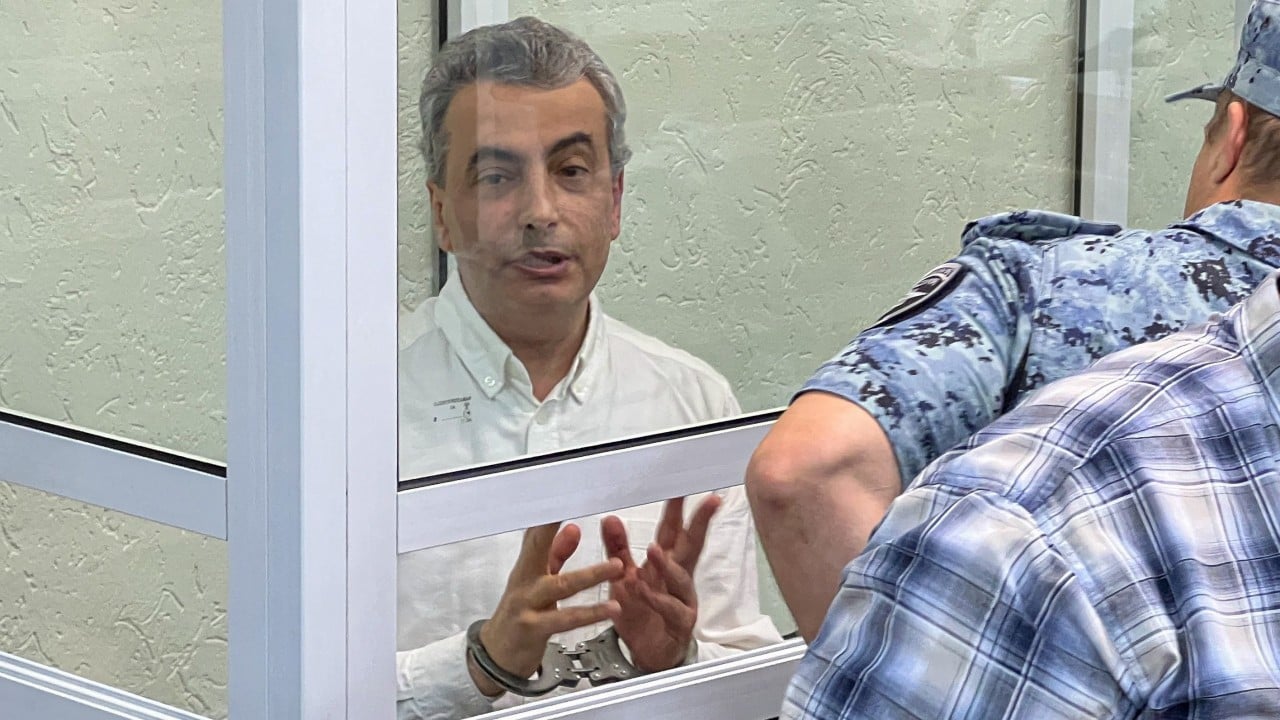
The Western media loves a clean, Hollywood-scripted narrative. When a Russian court slaps an eleven-year sentence on a Kremlin critic for opposing the war in Ukraine, the automatic editorial reflex kicks in. Headlines flash across the screen portraying an all-powerful, unyielding autocracy crushing dissent with absolute impunity.
It is lazy journalism. It is fundamentally wrong.
An eleven-year sentence for speech does not signal a regime at the height of its powers. It signals a regime terrified of a microphone. True power shrugs off criticism because it operates with structural invulnerability. Insecurity, however, overreacts. Insecurity builds maximum-security prisons for minimum-security poets.
The Myth of Totalitarian Omnipotence
Let us dismantle the core illusion. The lazy consensus states that modern authoritarian states control every thought, silence every critic effortlessly, and command the total loyalty of their populace through sheer, unadulterated fear.
Look closer at the mechanics of contemporary state control. If the Kremlin were genuinely confident in its domestic architecture and its geopolitical trajectory, dissenting voices would be ignored, marginalized, or treated as background noise. Totalitarian confidence looks like indifference. What we are witnessing instead is hyper-vigilance.
When a state allocates prosecutors, judges, and penal colonies to hunt down citizens expressing anti-war opinions, it is expending precious political capital. Every high-profile show trial is an admission that the narrative is fragile. It is a public acknowledgment that the state believes citizens might actually listen to the dissident.
"Silence is not the same as consent. When a regime criminalizes disagreement, it is admitting that consent cannot be won organically."
The Economics of Repression
To understand why these lengthy sentences are handed down, look at the cold, hard calculus of risk management within autocratic hierarchies.
I have spent years analyzing how political risk distorts institutional behavior. When authoritarian systems face external shocks—such as sweeping economic sanctions, military friction, and long-term resource drain—their internal tolerance for friction drops to zero.
A functioning state absorbs friction. A brittle state shatters at the first sign of it.
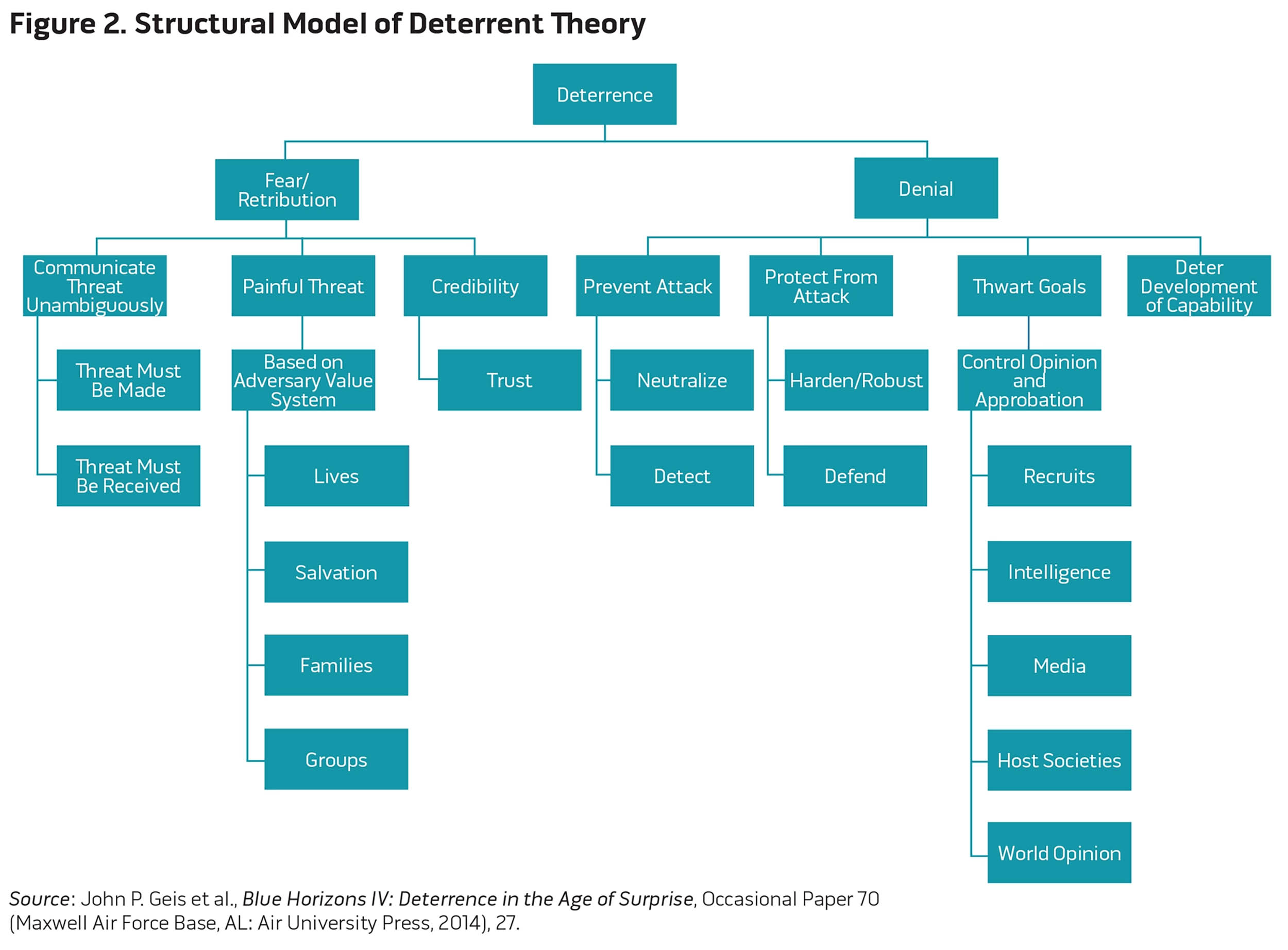
The eleven-year prison term is not designed to punish one individual. It is an expensive, desperate act of deterrence directed at the wavering middle class. The Kremlin needs to ensure that private skepticism does not metastasize into public coordination. By making an extraordinary example of a single critic, the state hopes to raise the personal cost of opposition so high that everyday citizens decide compliance is the only rational survival strategy.
Yet, this strategy carries a massive downside. Over-enforcement breeds cynicism. When the punishment for a whispered critique matches the punishment for violent crime, the legal system loses its moral authority entirely. Laws stop being rules of an ordered society and become blunt instruments of factional survival.
Questioning the Wrong Questions
People often ask: How can international pressure force Moscow to release political prisoners?
It is the wrong question entirely. It assumes that external moral outrage registers as a meaningful cost to a regime that has already decoupled itself from the Western financial and diplomatic system. Shaming an isolated actor is like shouting at a brick wall.
The better question is: What happens to the internal stability of a security state when it consumes its own future to maintain the illusion of absolute control?
Every time a judge hands down a draconian sentence, the regime locks itself deeper into a feedback loop of repression. You cannot scale back terror easily. Once you convince your apparatus that every dissenting voice is an existential threat, the apparatus demands more targets, more arrests, and harsher verdicts to justify its own budget and existence.
This is the trap of the security state. It starts by defending the leader; it ends by cannibalizing the society.
The Unspoken Reality of Post-War Politics
Western analysts continuously misread Russian domestic politics because they apply democratic scorecards to an autocracy. They look for mass uprisings, organized opposition parties, and public polling that reflects Western standards of political engagement.
Those metrics do not apply.
Resistance in a heavy-handed security state does not look like a protest march down the main avenue. It looks like quiet disengagement, bureaucratic sabotage, capital flight, and internal cynicism. The eleven-year sentence is a reaction against this quiet rot. The Kremlin is not fighting a visible political army; it is fighting the invisible tide of apathy and quiet disbelief.
When a government must lock people away for over a decade simply for stating the obvious truth about a failing campaign, do not mistake it for a display of strength. It is the sound of a system desperately holding its breath, praying the cracks do not turn into a fault line.
Stop reading these trials as proof of an invincible tyrant. Read them for what they truly are: the panic of an administration that knows time, math, and reality are not on its side.