Every time a sensational headline hits the wires about a tourist caught in the crossfire in Montego Bay or Kingston, the tourism boards scramble. They issue the same tired press releases about increased police visibility, fortified resort perimeters, and safe corridors. Then, the internet lights up with pearl-clutching commentary about how nobody should ever step foot on the island again.
It is all theatrical nonsense. Meanwhile, you can explore other stories here: The Sky Above the Mountain Does Not Bargain.
The lazy consensus in modern travel commentary treats destinations like binary choices: either a paradise devoid of friction or a war zone to be avoided at all costs. When a traveler gets shot on a Jamaican roadway and manages to drag themselves to an airport terminal before collapsing, the media treats it like an anomaly born of pure cinematic fiction.
Let us be brutally honest about how travel risk actually functions. I have spent decades analyzing cross-border security and logistical failures across the Caribbean. I have watched corporations spend millions on glorified security theater while ignoring the fundamental mechanics of urban navigation. The media wants you to believe that violence in Jamaica is a random lottery waiting for you outside the gates of your all-inclusive resort. To see the bigger picture, check out the detailed analysis by Lonely Planet.
That is false.
Violence is localized, relational, and structurally bound to specific illicit economies. The average tourist does not get shot because bad luck blew them off course. They get caught in the crossfire because they treat a foreign sovereign nation like a theme park with no operational boundaries.
The Myth of the Safe Corridor
The entire concept of the tourist bubble is a dangerous illusion. Resorts market themselves as hermetically sealed ecosystems where you can drink rum punch and pretend socioeconomic disparity does not exist ten miles down the road.
When you rent a car and hit the highway without understanding local driving etiquette, territorial markers, or nighttime transit realities, you are driving blind. The recent incident where a motorist was shot while driving and fled to Sangster International Airport is terrifying, yes. But looking at it as a random act of highway banditry misses the structural reality entirely.
Roads in Kingston, Spanish Town, and even sections connecting major tourist hubs operate under unwritten rules. Local drivers know where not to stop after dark. They know which neighborhoods are experiencing gang realignments. Tourists, spoon-fed the lie that a rental car gives them unbridled freedom across every square mile of the island, barrel down secondary roads completely ignorant of local geography.
If you drive like you are on the Pacific Coast Highway through a densely populated urban fringe experiencing turf disputes, you are inviting disaster. The danger is not that Jamaica is uniquely lawless. The danger is that visitors refuse to respect local operational intelligence.
The Failure of Travel Advisories
Government travel warnings are bureaucratic arse-covering exercises. Level 3 and Level 4 advisories do not provide actionable insight; they are legal shields for embassies so nobody can sue them when things go sideways.
They tell you to "exercise increased caution." What does that even mean to someone sipping a Red Stripe by the pool? It is useless. It offers zero operational value.
Instead of treating every foreign country as a monolithic hazard zone, travelers need to adopt a threat-assessment model used by foreign correspondents and logistics operators.
- Never drive after dark outside designated resort corridors. This is not cowardice; it is basic physics. Visibility drops, emergency services are strained, and response times multiply.
- Ditch the conspicuous consumption. Flashing luxury timepieces and expensive camera gear while navigating local traffic in an unfamiliar rental car turns you into a mobile ATM.
- Understand jurisdictional handoffs. If something goes wrong on a Jamaican roadway, police response times in rural or semi-urban areas differ wildly from what you experience inside a gated property. Relying on foreign emergency infrastructure to bail you out of a self-inflicted navigation error is peak arrogance.
Stop Blaming the Destination
When a crime occurs against a foreigner abroad, the knee-jerk reaction is to blame the host country's entire legal and security apparatus. This is paternalistic garbage.
Jamaica has world-class medical facilities, brilliant entrepreneurs, and vibrant communities that thrive on international trade and tourism. It also has deep-seated socio-economic challenges, fueled in part by decades of transnational narcotics trafficking and local gang structures. Pretending those realities do not exist until a headline forces you to look at them is willful ignorance.
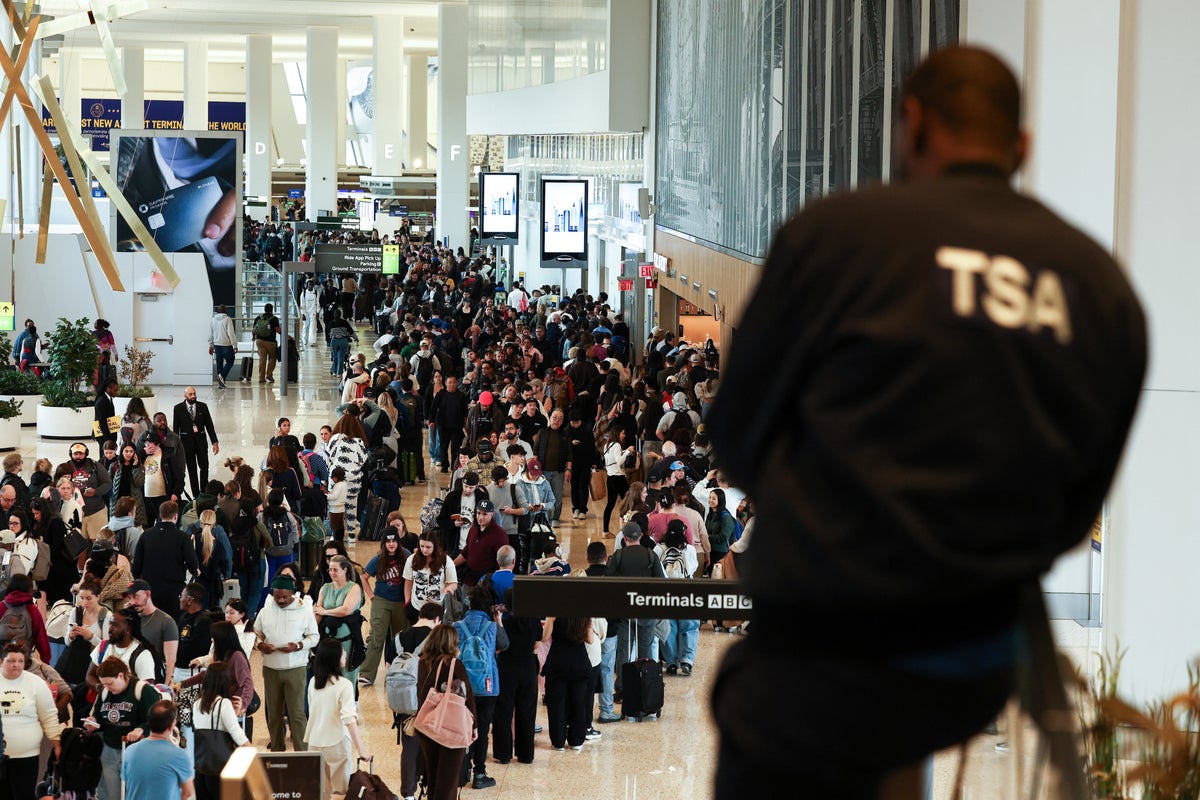
The traveler who fled to the airport terminal was lucky to survive. But framing it as "a scene out of a movie" strips away the gritty, mundane reality of urban violence and turns human tragedy into cheap entertainment. Movies have scripts. Real life on the road has consequences for ignoring context.
If you want to travel safely, stop relying on glossy brochures and terrified travel bloggers. Respect the terrain. Recognize your own vulnerability. And stop acting like the rules of gravity and geography do not apply just because you paid for a plane ticket.