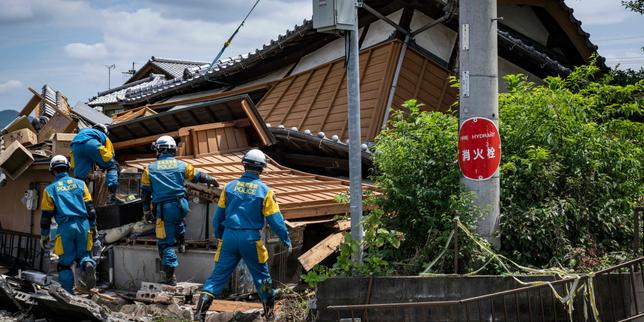
Two days after a powerful earthquake shattered communities across Japan, emergency responders faced an unforgiving compounding crisis. At least 34 people died in the initial disaster, while thousands of survivors found themselves stranded without reliable shelter, water, or electricity. Compounding the catastrophe, a severe summer heatwave settled over the affected regions, pushing temperatures to dangerous extremes and turning rescue operations into a race against thermal exhaustion and dehydration.
Natural disasters rarely arrive in isolation. When a major seismic event strikes during peak summer months, the immediate threat of structural collapse quickly gives way to a secondary public health emergency. Exhausted survivors trapped in damaged homes or crowded evacuation centers face stifling indoor temperatures, while rescue workers clad in heavy protective gear battle heatstroke. This intersection of geological violence and extreme meteorology exposes the fragile margins of disaster response systems, forcing emergency planners to rethink how infrastructural resilience handles simultaneous environmental shocks.
The Anatomy of a Compound Crisis
When the earth shook, infrastructure failed in predictable yet devastating ways. Water mains ruptured, electrical grids collapsed, and roads cracked open, isolating remote settlements from immediate aid. In the direct aftermath, rescue teams prioritized life-safety operations, pulling survivors from rubble before aftershocks could trigger secondary collapses.
However, the meteorological conditions altered the calculus of survival. Ambient temperatures soared past seasonal averages, creating oven-like conditions inside unventilated structures and temporary shelters. Dehydration set in rapidly among the elderly and vulnerable populations who make up a significant demographic in Japan's rural and semi-rural prefectures.
Emergency water distribution became as critical as structural extrication. Without functional municipal supplies, hydration stations struggled to keep pace with demand. Bottled water shipments faced severe logistics bottlenecks as cracked roadways and landslide-blocked mountain passes delayed supply trucks for hours.
The Strain on Evacuation Infrastructure
Japanese municipal frameworks are world-renowned for earthquake preparedness. Schools, community centers, and gymnasiums are routinely designated as evacuation hubs, pre-stocked with basic rations and emergency supplies. Yet, many of these facilities were constructed decades ago, designed primarily to withstand kinetic stress rather than extreme thermal loads.
Many older gymnasiums lack adequate air conditioning systems. When hundreds of displaced residents pack into these concrete structures, internal temperatures skyrocket. Opening windows is often impossible due to structural damage or the threat of falling debris from exterior facades. Consequently, evacuees traded the immediate physical danger of crumbling roofs for the insidious, silent threat of heat-induced illness.
Medical personnel deployed to these centers reported treating dozens of patients for severe heat exhaustion within the first forty-eight hours alone. Portable cooling units and industrial fans were dispatched from unaffected prefectures, but logistical gridlock meant that relief equipment often arrived hours too late for the most vulnerable individuals.
Inside the Rescue Operations Under Thermal Stress
For firefighters, self-defense forces, and specialized urban search and rescue units, the heat transformed standard operational procedures into physical endurance tests. Operating heavy hydraulic tools, clearing massive concrete slabs, and navigating unstable terrain require immense physical exertion. Doing so in ambient temperatures exceeding thirty-five degrees Celsius drastically reduces the safe working duration of each team member.
Rotation schedules had to be aggressively compressed. Rescuers who might normally work two-hour shifts before a break were pulled out every twenty minutes to hydrate, cool down, and monitor their core body temperatures. Medical monitors set up at command posts became as vital as seismic sensors tracking aftershocks.
- Hydration Protocols: Field medics enforced strict fluid intake schedules, utilizing electrolyte solutions alongside water to prevent hyponatremia.
- Cooling Stations: Tent setups equipped with misting fans and ice baths were established near primary disaster zones to rapidly lower core body temperatures of exhausted personnel.
- Thermal Imaging: Specialized drones deployed to locate survivors trapped under debris also monitored surface temperatures of rubble piles, helping teams identify heat traps and prioritize excavation points where trapped individuals were at immediate risk of hyperthermia.
Despite these measures, the physical toll on first responders was visible. Fatigue slowed down manual excavation efforts in areas where heavy machinery could not enter due to narrow streets or compromised bridges. Every minute lost to heat management was a minute stolen from the critical window of survival for those pinned beneath collapsed timber and concrete.
Vulnerability and Demographic Realities
The human cost of this disaster is inextricably linked to Japan's broader demographic landscape. Rural prefectures hit by major earthquakes disproportionately house aging populations. Elderly residents living alone often cannot evacuate independently, nor can they easily carry heavy emergency supply kits or tolerate grueling treks to distant evacuation sites under a blazing sun.
When power grids fail, air conditioning units cease functioning instantly. For elderly individuals with chronic cardiovascular or respiratory conditions, a sudden spike in ambient indoor temperature triggers acute physiological stress. Many of the casualties recorded in the immediate aftermath were not killed by direct trauma from falling masonry, but rather succumbed to medical emergencies accelerated by extreme heat and lack of access to refrigerated medications.
Local community networks, often organized through neighborhood associations, play a vital role in welfare checks. Volunteers and civil servants rushed door-to-door to check on elderly residents. However, impassable roads and communication blackouts left hundreds of isolated households unreached for days. This communication vacuum highlighted a persistent blind spot in emergency planning: rapid situational awareness in remote areas during compound weather events.
Rethinking Resilience for a Warming Planet
Climate scientists have repeatedly warned that seismic events occurring during extreme weather will become more frequent and severe as global temperatures rise. Emergency management paradigms built on historical weather data are no longer adequate.
To future-proof disaster response, municipal authorities must integrate climate adaptation directly into structural engineering and civil defense strategies.
- Micro-Grids and Independent Power: Evacuation centers require independent solar-backed micro-grids capable of powering high-capacity climate control systems even when the municipal power grid collapses entirely.
- Advanced Material Science: Retrofitting older public facilities with thermal insulation and passive cooling architectural designs can drastically reduce indoor temperatures without relying solely on mechanical air conditioning.
- Automated Supply Chains: Deploying autonomous drone delivery networks for emergency water and medical supplies can bypass damaged road networks, ensuring that hydration reaches isolated survivors before heatstroke sets in.
The intersection of geological instability and meteorological extremes creates a uniquely lethal environment. When the ground splits open and the sky turns into a furnace, traditional response timelines are compressed to a dangerous degree.
The events following the earthquake serve as a stark reminder that disaster preparedness cannot be compartmentalized. Structural safety, public health logistics, and climate resilience must operate as a single, unified defense system if communities are to endure the cascading crises of the modern era.