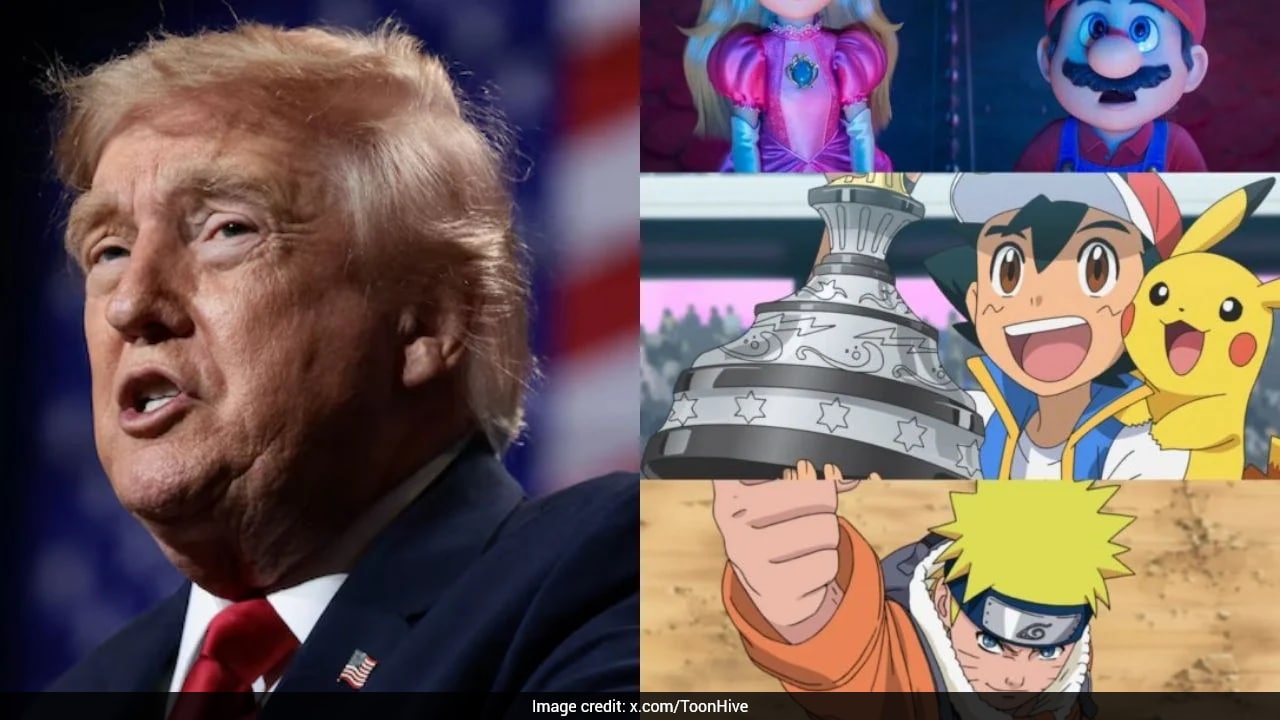
Government social media accounts love trying to look cool. It usually backfires. Recently, official United States government agencies decided that posting internet memes featuring iconic Japanese characters like Pokémon and Naruto was a brilliant way to connect with the public. Tokyo didn't laugh. Officials in Japan issued a sharp warning regarding intellectual property rights and the unauthorized use of copyrighted characters by foreign state entities.
You cannot just grab beloved anime icons because they happen to fit a trending format. Copyright law doesn't care if your agency is trying to reach younger demographics on X or Instagram. Intellectual property belongs to someone. When state actors bypass the rules, it creates an awkward diplomatic friction nobody needed.
Let's look at why this happened, how international copyright enforcement actually works, and why public sector social media managers need to rethink their meme strategies immediately.
The Problem With Government Memes
Social media departments within major public institutions operate under massive pressure. They need engagement. They want viral reach. Metrics dictate funding and relevance, so teams constantly look for shortcuts. Grabbing a popular frame from a massive anime series guarantees quick retweets.
It feels harmless inside a government office. It's just a joke about bureaucracy or filing taxes, right?
Wrong. Commercial entities spend billions building and protecting these fictional universes. Nintendo, Game Freak, and Viz Media guard their creations fiercely. When a government account posts copyrighted art to drive engagement, it walks a very fine line. Sometimes, it crosses right over into commercial or institutional exploitation.
Japan's strict copyright framework takes unauthorized usage seriously. Creators rely on those protections to sustain an entire multi-billion-dollar creative export economy. When foreign governments treat those characters as free public domain clip art, it disrespects that economic reality.
Understanding International Copyright Law
People assume copyright stops at national borders. It doesn't. Thanks to international treaties like the Berne Convention for the Protection of Literary and Artistic Works, copyright protections extend across borders. If you hold a copyright in Tokyo, that protection generally applies in Washington, D.C., too.
Government agencies often hide behind the concept of fair use. Fair use allows limited use of copyrighted material without permission for purposes such as criticism, comment, news reporting, teaching, scholarship, or research.
Posting a funny picture of Naruto running to mock a slow legislative process does not automatically qualify as fair use. It is pure commercial-style engagement bait for a state brand. Courts look at several factors when determining fair use:
- The purpose and character of the use, including whether it is commercial or for non-profit educational purposes.
- The nature of the copyrighted work.
- The amount and substantiality of the portion used.
- The effect of the use upon the potential market for or value of the copyrighted work.
Government accounts represent the state. Even if they aren't selling merchandise, using popular characters to boost institutional clout or drive traffic to official platforms undermines the exclusive rights granted to creators.
The Diplomatic Fallout
When an official US agency faces a warning from Tokyo, it highlights a profound lack of digital literacy at high levels. Cultural diplomacy matters. Japan is a vital strategic ally to the United States. Disrespecting their domestic creative industries through casual copyright infringement creates unnecessary friction.
Imagine the reverse scenario. What if a Japanese government ministry used Mickey Mouse or Superman in an official social media post without permission? Disney's legal team would dispatch cease-and-desist notices before the post even finished loading.
Government bodies must hold themselves to a higher standard. They write and enforce intellectual property laws. Breaking those exact rules for a fleeting moment of internet clout is hypocritical.
How Institutions Can Avoid Copyright Disasters
If you manage communications for a major organization, stop relying on stolen art to be funny. You don't need to steal anime characters to connect with an audience.
Hire internal illustrators. Support local digital artists. Commission original artwork that aligns with your brand identity. Original assets perform better over time anyway because they establish a distinct visual voice instead of blending into a sea of recycled internet templates.
If your team insists on referencing pop culture, stick to text-based commentary or transformative parodies that clearly fall under protected satire. Never lift direct image assets or video clips straight from copyrighted shows without securing proper licensing agreements.
The era of cheap social media hacks is closing. Creators and rights holders are pushing back. Respect the intellectual property of others, especially when you represent the law.