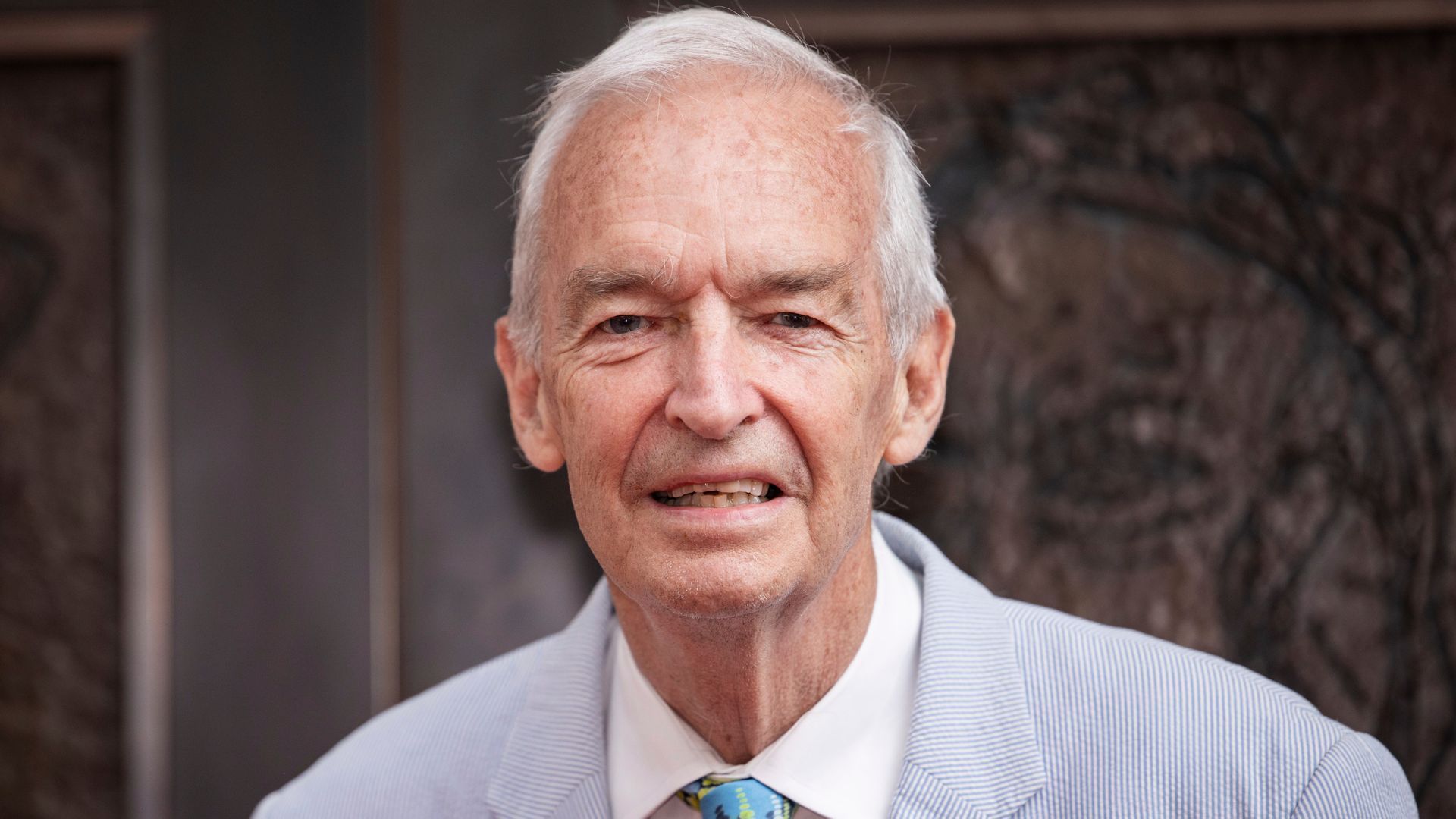
Jon Snow spent over three decades delivering the hardest truths of our world with absolute clarity. For 32 years on Channel 4 News, his booming voice and famously vibrant ties were symbols of sharp, unshakeable intellect. He ran toward conflicts in the Middle East, stood by the Berlin Wall as it collapsed, and tracked the release of Nelson Mandela. But his latest announcement is entirely personal, incredibly heavy, and arguably his most vital piece of reporting yet.
The veteran broadcaster has revealed he is living with Alzheimer's disease. Diagnosed back in 2023, he kept the condition quiet at first, grappling with the stigma that still surrounds cognitive decline. Now, he's stepping into the light. By choosing to speak out, Snow is forcing a conversation about an illness that affects roughly one million people in the UK alone, yet remains desperately misunderstood.
This isn't just a story about a famous face getting sick. It's a wake-up call about how we view aging, retirement, and the hidden mental health struggles that occur when a hyper-active brain suddenly loses its daily routine.
The Warning Signs We Always Miss
When a public figure reveals a dementia diagnosis, the public often assumes it happened overnight. It never does. For Jon Snow, the subtle shifts began shortly after he stepped away from his nightly news anchor chair in December 2021.
Retirement is a dangerous flashpoint for brain health. For decades, Snow's mind was fueled by breaking news deadlines, international travel, and constant intellectual pressure. When that engine suddenly stops, the brain can struggle to adapt.
His wife, epidemiologist Precious Lunga, noticed the cracks appearing early on. The most glaring warning sign happened ten months into his retirement when Snow casually mentioned he was running late for work. He had forgotten he no longer had a newsroom to go to.
From there, a familiar but devastating pattern took hold. Snow sank into a deep depression. He became uncharacteristically withdrawn, shedding interest in the passions that used to define him. He started worrying that his friends had abandoned him, complaining that nobody ever called anymore. The heartbreaking reality wasn't that his friends had stopped calling, but rather that he simply could not remember the conversations after hanging up the phone.
Like many people facing the early stages of cognitive decline, Snow fiercely resisted seeing a doctor. He insisted nothing was wrong. It was only after a battery of cognitive assessments and brain scans that the medical team confirmed his Alzheimer's disease diagnosis.
The Psychological Trap of Dementia Stigma
One of the most profound aspects of Snow's revelation is his raw honesty about the shame associated with the condition. In an upcoming Channel 4 documentary detailing his life with the illness, he admits that his initial instinct was to hide it completely.
"There's so much prejudice," Snow shared. "Any sort of hint of mental decay, you're sort of dead."
That line hits like a sledgehammer. It exposes the brutal social isolation that accompanies a dementia diagnosis. We treat people with cognitive diseases as if they've already vanished, written off as empty shells before the disease has even taken full hold.
Even now, Snow admits he wrestles with denial. He regularly questions the diagnosis, noting that he doesn't feel disabled and wonders if his memory lapses are just normal quirks of turning 78.
This internal conflict is something millions of families experience. Dementia is not a light switch; it doesn't turn off your personality instantly. It behaves more like a dimmer switch. There are brilliant, sharp hours followed by moments of intense fog. Snow clings to those good moments, noting that it isn't an all-day, every-day state of confusion.
Why Dementia Needs the Same Urgency as Cancer
The Alzheimer's Society has used Snow's announcement to point out a glaring double standard in modern healthcare. Dementia is currently the UK's biggest killer, yet it rarely receives the same level of funding, urgency, or public empathy as a cancer diagnosis.
When someone announces they have cancer, society rallies. There's an immediate blueprint for treatment, support, and public solidarity. When someone reveals they have dementia, people tend to pull back, unsure of what to say, effectively isolating the patient when they need connection the most.
The delay in securing a formal diagnosis is a massive hurdle in modern healthcare. Too many people wait years for answers, missing the narrow window where early interventions can actually make a difference. While there is no cure for Alzheimer's right now, getting a timely diagnosis changes the entire trajectory of the disease. It allows patients to:
- Access newer medications that can slow down symptom progression.
- Enroll in cutting-edge clinical trials, something Snow himself has actively participated in as a self-described willing victim for medical advancement.
- Put legal, financial, and care frameworks in place while they still have the full capacity to make their own choices.
- Transition into structured support systems instead of leaving partners and spouses to drown in the grueling role of an unassisted caregiver.
The Multigenerational Shadow of Alzheimer's
For Snow, this diagnosis isn't unchartered territory; it's a horror movie he's already watched. His mother, Joan, battled Alzheimer's disease for more than ten years before passing away in her eighties.
Living through a parent's decline leaves deep scars. Snow has previously spoken about the unique torture of watching his mother physical remain exactly the same while her essence slowly dissolved. You look at the person who raised you, they sound exactly like themselves, but you can't hold a basic conversation with them.
Fearing that exact same fate is what makes Snow's decision to film a documentary so incredibly brave. He knows what lies down the road. Yet, alongside his wife, he is determined to prove that life does not end the moment a doctor hands you a diagnosis sheet.
In his final televised investigation, viewers will see Snow traveling to Zambia to look into a mining disaster. He still wears his trademark sharp ties every single day. His investigative instincts are still completely intact, even if his short-term memory is slipping away. It's a beautiful, realistic depiction of living with the disease, showing that people with dementia can still contribute meaningfully to the world if they are given the right scaffolding and support.
If you suspect a loved one is showing signs of cognitive decline, don't dismiss it as simple old age. Watch for sudden withdrawal from social life, uncharacteristic mood shifts, or repeating the same question within a short window. Start the conversation early, push past the fear of the doctor's office, and utilize resources like the Alzheimer's Society support line (0333 150 3456) to get a clear assessment as soon as possible. Early action won't cure the disease, but it gives you back control over how you live with it.