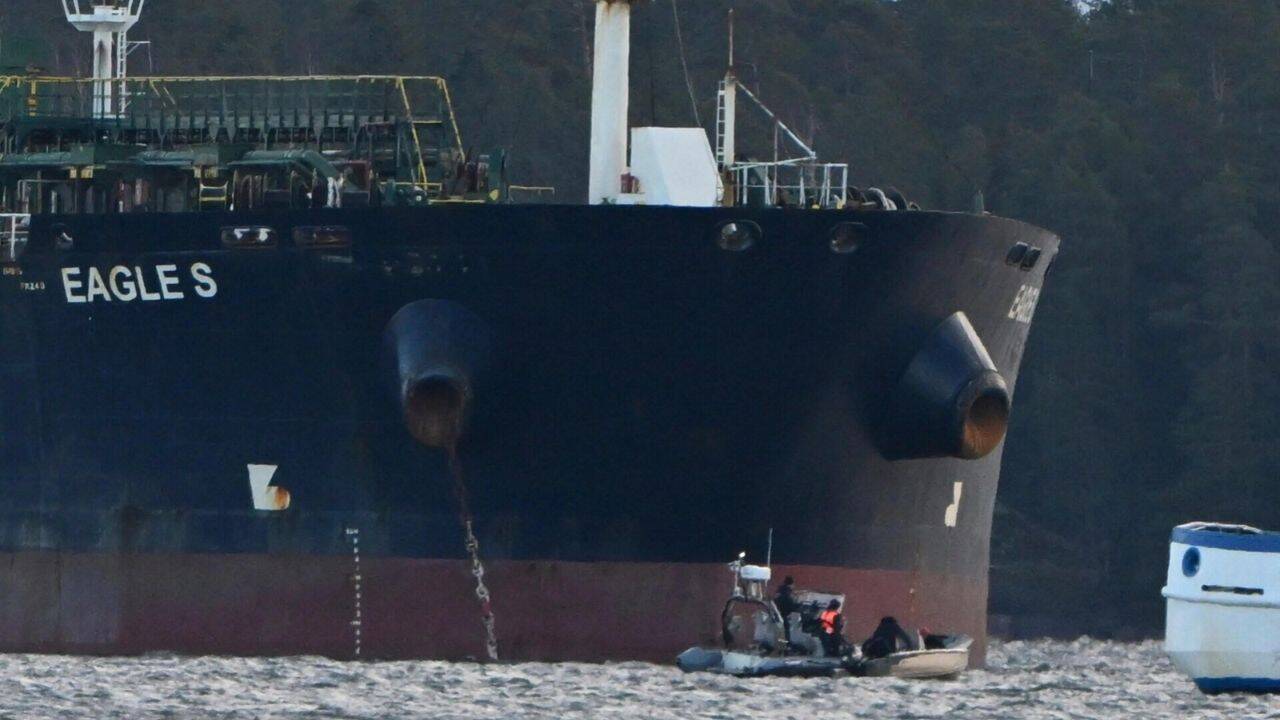
When Hong Kong prosecutors drop a criminal case citing unreachable witnesses while the accused ship captain faces immediate deportation, the surface narrative reads like a bureaucratic failure. In reality, this outcome exposes a structural collision between domestic criminal procedure and international administrative immigration law. Prosecutorial withdrawal in maritime and cross-border cases rarely stems from an absence of alleged wrongdoing; it occurs when the marginal cost of securing extraterritorial witness testimony exceeds the evidentiary threshold required to sustain a conviction beyond a reasonable doubt. Simultaneously, the state shifts from a high-burden judicial mechanism to a low-burden administrative mechanism—deportation—to achieve risk removal without a trial.
The Evidentiary Decay Curve in Transnational Litigation
Criminal justice systems operating under common law traditions, including Hong Kong's legal framework, rely heavily on the Confrontation Clause equivalent: the right of the defense to cross-examine witnesses in open court. Unlike commercial arbitration or civil litigation, where sworn affidavits and written depositions frequently suffice, criminal prosecution demands live, testable testimony for contested facts.
In maritime incidents, the witness pool is inherently transient. Crew members, port inspectors, surveyors, and third-party contractors operate on rotating global schedules governed by international maritime labor contracts. Once a vessel clears port or a crew contract expires, witnesses disperse across multiple sovereign jurisdictions.
This dispersion triggers an Evidentiary Decay Curve, defined by three compounding variables:
- Jurisdictional Sovereignty Barriers: A domestic court's subpoena power terminates at its territorial border. Compelling a foreign national residing abroad to testify in a Hong Kong magistrates' or district court requires invoking Mutual Legal Assistance Treaties (MLATs) or letters rogatory. These diplomatic channels routinely consume six to eighteen months, during which witness memory degrades and commercial incentives to cooperate evaporate.
- The Logistics and Cost Function of Production: Even when a witness agrees to testify voluntarily, the prosecuting authority must absorb the financial and operational burden of international travel, accommodation, visa clearances, and loss-of-earnings compensation. When the underlying offense carries a moderate statutory penalty or lacks severe public-interest aggravating factors, the resource allocation model turns negative.
- Admissibility Constraints on Hearsay: While modern criminal procedure ordinances include provisions for admitting video-link testimony or written statements from unavailable witnesses, courts apply strict admissibility tests. If the witness is the primary accuser or the sole observer of a disputed operational decision by the captain, admitting an unexamined statement violates procedural fairness. Prosecutors facing the exclusion of their core evidence have no rational option other than offering no evidence (nolle prosequi or formal withdrawal).
Dual-Track State Action Criminal Prosecution Versus Administrative Removal
The second mechanism at play is the divergence between criminal adjudication and immigration enforcement. Observers often conflate the dismissal of criminal charges with exoneration, assuming the state has relinquished its interest in the individual. Operational reality dictates the opposite. Modern border control regimes operate on a dual-track architecture where criminal courts and immigration departments function independently with radically different standards of proof.
In a criminal court, the state bears the burden of proving guilt beyond a reasonable doubt. Every element of the offense—actus reus and mens rea—must be established through admissible evidence, subject to rigorous defense challenges. The timeline is dictated by judicial calendars, disclosure rules, and evidentiary motions.
Immigration enforcement operates under administrative law, governed by the balance of probabilities or discretionary executive authority regarding national interest, security, and visa conditions. A foreign ship captain entering a jurisdiction typically does so under specific crew transit or temporary entry permissions tied directly to their active vessel duties or ongoing legal proceedings.
Once the criminal prosecution terminates, the legal basis for the captain's extended stay—often a recognizance bond or a special prosecutorial hold—dissolves instantaneously. At that exact inflection point, the Immigration Department's statutory mandate activates. Without needing to prove criminal culpability, administrative officers evaluate whether the individual holds valid leave to remain. If the underlying vessel has departed or the captain's seafarer transit status has lapsed during the pre-trial period, the individual transitions immediately from a criminal defendant to an undocumented or overstaying foreign national subject to mandatory removal.
Operational Consequences for Maritime Command and Shipping Enterprises
For shipping companies, marine insurers (Protection and Indemnity clubs), and vessel masters, this dual-track dynamic creates severe operational and financial exposure. The dismissal of criminal charges does not reset the commercial clock; instead, it triggers a cascade of secondary liabilities.
- Command Disruption and Vessel Delays: The detention of a master paralyzes vessel operations until a certified replacement is flown in, cleared through port state control, and integrated into the ship's Safety Management System (SMS). Daily charter party losses for commercial vessels frequently run into tens of thousands of dollars, dwarfs in comparison to the administrative fines often associated with minor statutory breaches.
- The Deportation Stigma in Global Seafaring: While a dropped charge leaves no criminal record, an administrative deportation order carries long-term consequences for a career mariner. Immigration databases across major maritime hubs—including Singapore, Rotterdam, Dubai, and Hong Kong—share or scrutinize adverse immigration histories. A formal deportation stamp complicates future crew visa approvals, effectively blacklisting a captain from specific trade routes even in the absence of a conviction.
- Insurance and Indemnification Friction: P&I clubs routinely cover legal defense costs for masters facing criminalization following maritime incidents. However, once a case shifts from criminal defense to administrative deportation, coverage boundaries blur. Immigration representation, repatriation logistics, and administrative detention expenses often fall into contested grey zones between the shipowner's crew management obligations and the insurer's third-party liability coverage.
Limitations of Remote Testimony Frameworks
A common counterargument suggests that modern courtroom technology—specifically real-time video conferencing—should eliminate the "unreachable witness" bottleneck. In practice, deploying remote testimony across borders introduces substantial legal and technical friction that frequently stalls prosecutions.
First, taking evidence via video link from a witness located in a foreign sovereign territory is legally classified in many jurisdictions as a judicial act. Conducting it without the explicit consent of the host country's government can constitute an infringement of national sovereignty. Prosecutors cannot simply send a video link to a seafarer sitting in a port in Manila, Mumbai, or Odessa; they must secure formal diplomatic authorization from the host state's ministry of justice.
Second, verifying witness integrity remotely remains problematic. Courts require assurances that the witness is not being coached off-camera, is referring only to approved documents, and is testifying free from coercion. Securing a neutral, court-supervised facility abroad—such as a consular office or local courtroom—reintroduces the exact bureaucratic delays that remote technology is meant to bypass.
Third, time-zone differentials and maritime connectivity constraints degrade the reliability of live cross-examination. When defense counsel challenges complex technical logs, radar plots, or engine-room telemetry, latency and document-sharing friction impair the trier of fact's ability to assess witness credibility. Faced with these structural impediments, prosecutors routinely calculate that pursuing a contested remote hearing yields diminishing returns.
Risk Mitigation Architecture for Maritime Operators
Shipping operators and legal counsel cannot alter the sovereign boundaries of criminal procedure, nor can they strip immigration authorities of executive removal powers. They can, however, engineer pre-emptive operational protocols to prevent a localized regulatory dispute from escalating into a protracted detention and deportation cycle.
- Immediate Contemporaneous Evidence Capture: The primary reason prosecutors rely on transient third-party witnesses is the absence of indisputable objective data. Vessels must maintain automated, tamper-evident backups of Voyage Data Recorders (VDR), bridge audio, ECDIS logs, and engine telemetry. Presenting prosecutors with an unassailable, third-party-verified digital record within 48 hours of an incident often precludes the need for subjective witness testimony altogether, forcing early administrative resolution.
- Proactive Immigration Status Decoupling: Legal counsel retained in port jurisdictions must manage criminal bail and immigration status as two separate workstreams from day one. Relying on a criminal court's bail order to implicitly protect a captain's residency status is a critical error. Counsel must secure explicit, written extensions of stay from immigration authorities independent of the judicial docket, negotiating voluntary departure terms in advance should the criminal matter terminate abruptly.
- Structured Settlement and Administrative Compounding: Where statutory frameworks permit, defense strategy should prioritize converting potential criminal indictments into administrative penalties or compounding fines settled by the corporate entity rather than the individual master. Shifting liability from the natural person to the corporate vessel owner removes the state's incentive to restrict the captain's physical movement.
Maritime enterprises must treat jurisdictional friction as a quantifiable operational hazard rather than an unpredictable legal anomaly. By front-loading objective data preservation and separating corporate liability from individual crew immigration status, operators neutralize the state's primary levers of detention and forced removal before a prosecution ever reaches the evidentiary collapse stage.


